 By ando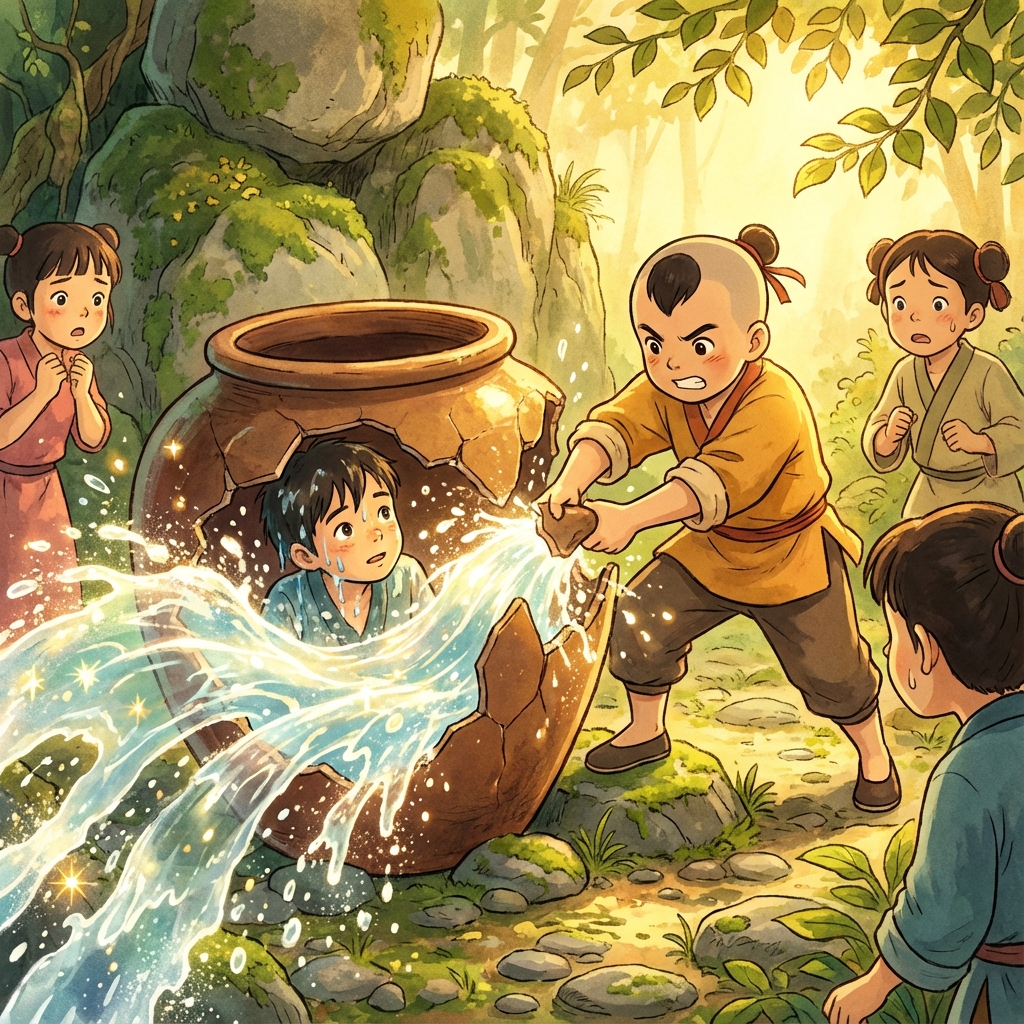
Kunozan Toshogu jinja, located in Suruga Ward, Shizuoka City, enshrines Tokugawa Ieyasu, the first shogun of the Edo shogunate, and is truly a sacred site that can be called the “origin” of all Toshogu jinja across Japan. Situated atop Mt. Kuno, overlooking Suruga Bay, its history, architectural beauty, and numerous stories related to Lord Ieyasu never cease to fascinate visitors.
Lord Ieyasu’s Last Will and the Birth of Toshogu jinja
Mt. Kuno has a long history, starting with Kuno-ji Temple, founded around the 7th century by Hata no Kuno Tadayoshi. Later, Kunozan Castle was built by Takeda Shingen, among other historical developments. It is said that Tokugawa Ieyasu considered Mt. Kuno so vital that he referred to it as the “main keep of Sunpu Castle.” In Genna 2 (1616), Lord Ieyasu, at the age of 75, passed away, leaving a final wish to “bury his remains on Mt. Kuno.” In accordance with this will, the second shogun, Tokugawa Hidetada, ordered the construction of the main shrine buildings at an astonishing speed, completing them in just one year and seven months. This marked the beginning of the current Kunozan Toshogu jinja.
The Splendid “Gongen-zukuri” Prototype
The main shrine buildings of Kunozan Toshogu jinja are built in a style called “Gongen-zukuri,” where the Honden (main sanctuary), Ishi-no-ma (stone room), and Haiden (worship hall) are connected. A defining feature is their vibrant polychrome finish, entirely coated in lacquer. This architectural style became the prototype for Toshogu jinja buildings across Japan, including Nikko Toshogu jinja.
The construction of the shrine buildings was overseen by the master craftsman Nakai Yamato no Kami Masakiyo, who also worked on Nijo Castle and Nagoya Castle. It represents the pinnacle of architectural and artistic craftsmanship from the early Edo period. The Honden, Ishi-no-ma, and Haiden were designated National Treasures in Heisei 22 (2010).
Stories and Mysteries Hidden Within the Shrine Buildings
The shrine buildings of Kunozan Toshogu jinja feature numerous noteworthy carvings and decorations. For instance, the Kohai (front gable) of the Haiden (worship hall) depicts the Chinese tale “Sima Guang Breaks the Jar.” This story tells of young Sima Guang saving a friend who fell into a large water jar by breaking it, and is said to embody Lord Ieyasu’s philosophy of valuing life.
Furthermore, countless “Aoi no Gomon” (hollyhock crests), the family crest of the Tokugawa clan, adorn the decorative metal fittings of the shrine buildings. Among them is a hidden “inverted Aoi” crest, a subtle mystery. It is believed that this symbolizes a wish for the building to remain “incomplete,” implying potential for further growth and development.
Lord Ieyasu’s Beloved Sword and the World’s Only Surviving Western Clock
The Kunozan Toshogu Museum, located within the jinja grounds, houses over 2,000 artifacts associated with Tokugawa Ieyasu. Of particular note are the “Shida Gusoku” armor, said to have been worn by Lord Ieyasu during the Battle of Sekigahara, and his cherished sword, “Sohayanotsurugi Utsusnari,” which he reportedly had tested two days before his death, was so impressed by its sharpness that he willed it to be enshrined as a divine object.
Also a must-see is the “Western clock” believed to have been presented to Lord Ieyasu by King Philip III of Spain. Its original mechanism remains intact, making it a globally rare and precious item.
Access and Spectacular Views
To reach Kunozan Toshogu jinja, it is generally recommended to take the ropeway from the summit of Nihondaira. During the approximately five-minute aerial ride, you will be treated to breathtaking panoramic views of Suruga Bay, the Izu Peninsula, and even Mount Fuji on clear days.
For those confident in their physical endurance, an alternative is to take the Omotesando (main approach) route, climbing 1,159 stone steps from the base of Mt. Kuno.
Kunozan Toshogu jinja, where the legacy of Tokugawa Ieyasu lives on. Its magnificent architecture, hidden stories, and the grand scenery unfolding below will undoubtedly inspire deep emotion and a sense of historical wonder in all who visit.
Related Links and References
[1] Tokugawa Ieyasu and Kunozan Toshogu / Home Mate
[2] Kunozan Toshogu (Kunozan Toshogu, Shizuoka City, Shizuoka Prefecture)
[3] Was Kunozan Toshogu (Shizuoka), where Tokugawa Ieyasu was buried, a castle? Tracing the history of “Mt. Kuno”
[4] Kunozan Toshogu – Wikipedia
[5] History of Kunozan | About Kunozan Toshogu | Kunozan Toshogu | Shizuoka
[6] Kunozan Toshogu (from the stone steps) | Official Shizuoka’s Recommended Tourist Spots / Sunpu Shizuoka City ~ Best Experiences and Emotions
[7] Kunozan Toshogu Honden, Ishi-no-ma, Haiden Cultural Heritage Online
[8] Approximately 1,159 steps to the shrine buildings! What kind of place is Kunozan Toshogu with spectacular views? Introducing access methods, tours, and highlights | Travel & Tourism Media for Express Buses, Night Buses, Bus Tours [Bus Trip]
[9] https://ropeway.shizutetsu.co.jp/spot/%E4%B9%85%E8%83%BD%E5%B1%B1%E6%9D%B1%E7%85%A7%E5%AE%AE/
[10] Kunozan Toshogu (Swords and Armor) / Home Mate
[11] National Treasure Main Shrine Buildings | About Kunozan Toshogu | Kunozan Toshogu | Shizuoka
[12] Kunozan Toshogu (2) Shizuoka Prefecture’s only National Treasure building | Daigoyama and Shimobe Onsen – Rakuten Blog
[13] Kunozan Toshogu / Hello Navi Shizuoka Shizuoka Prefecture Tourist Information
[14] Database of National Designated Cultural Properties
[15] Shizuoka Cultural Property Navi Kunozan Toshogu Honden, Ishi-no-ma, Haiden | Shizuoka Prefecture Official Homepage
[16] Visiting Lord Ieyasu’s Historical Tales, Legends, and Episodes – Kunozan Toshogu and Kunozan Castle
[17] About Kunozan Toshogu | Kunozan Toshogu | Shizuoka
[18] Kunozan Toshogu | Access, Opening Hours, Fees – Jalan.net
[19] Complete Guide to Kunozan Toshogu! Access Methods and 8 Recommended Highlights | A Collection of Shizuoka City’s Recommendations
Been trying my luck at w188bet lately. The odds are pretty decent, to be honest. Give it a try if you are a sports fan! Check them out here w188bet.