 By ando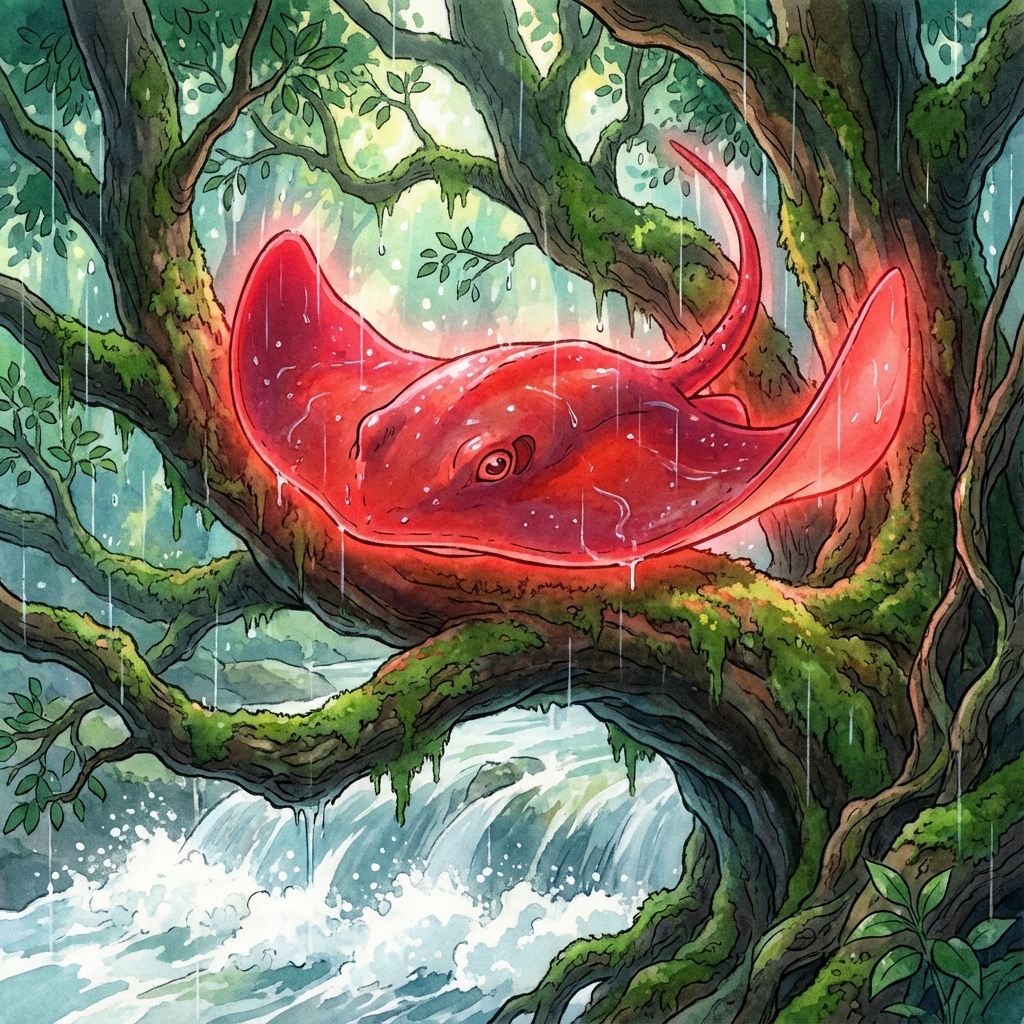
Basic Information
Location: 3-1-1 Nagata-cho, Nagata-ku, Kobe City, Hyogo Prefecture
Main Kami: Kotoshiro-nushi-no-kami (affectionately known as Ebisu-sama)
Founding: Empress Jingu’s 1st year (201 AD)
Main Blessings: Business prosperity, good fortune and happiness, warding off misfortune, recovery from illness (especially hemorrhoids)
A Shrine Called “Chicken Temple”? Taboos and Legends Related to Chickens
Nagata Jinja has a strong belief related to chickens (niwatori) that is rarely seen at other shrines. It is said that at its founding, Kotoshiro-nushi-no-kami gave an oracle stating, “Enshrine me in a village where the crowing of chickens can be heard.” Since then, chickens have been highly revered as messengers of the kami (shinkei).
In the past, hundreds of chickens roamed freely within the shrine grounds, to the extent that foreigners who visited during the Meiji era called it “Chicken Temple.”
Remarkably, the local people (ujiko) still observe the custom of “not eating chickens.” It is said that in the past, they completely avoided chicken meat and eggs, and women even avoided using chicken feathers to blacken their teeth (ohaguro). Even today, there is a custom of dedicating ema (votive plaques) depicting chickens when making prayers.
Ema You Can’t Write Your Name On? The “Red Stingray” and a Hidden Story About Hemorrhoids
At Kusumiya Inari-sha, located within the shrine grounds, there is a very rare legend about a “red stingray” (aka-ei).
The legend states that around the 6th century, a red stingray, believed to be an incarnation of a kami, fled into a large camphor tree (kusunoki) on the shrine grounds from a nearby river swollen by heavy rain. Since then, the tree is said to house the red stingray, and people began to make wishes by refraining from eating red stingray, which was their favorite food.
It is particularly believed to be effective for “swellings” and “hemorrhoids,” and unique ema depicting red stingrays are still offered today. However, due to the sensitive nature of the prayers, a nationally rare offering style has been established where, out of consideration for privacy, “only age, zodiac sign, and gender are noted, without writing names.”
“Oni wa Uchi”? The Mystery of the “Good Oni” That Wards Off Calamity
At Setsubun (the bean-throwing festival), “Oni wa soto!” (Out with demons!) is generally heard. However, the oni (demons) that appear in Nagata Jinja’s “Koshiki Tsuina-shiki” (ancient demon-expelling ritual) are not evil. The oni here are “messengers of the kami” who, by brandishing torches and dancing, burn away and purify people’s misfortunes.
This ritual, which has continued for over 650 years since the Muromachi period, features seven oni. Their roles are only permitted to the ujiko of the former Nagata Village. Those who play the role of an oni perform misogi (purification ritual) in the sea of Suma early in the morning, cleansing themselves before participating in the ritual. It is said that being covered in ash falling from the torches swung by the oni ensures a year of good health, and the sight of worshipers eagerly seeking the ash creates a mysteriously fervent atmosphere unique to this shrine.
The Roots of the Place Name “Kobe” Are Here!
What is surprisingly little known is the origin of the place name “Kobe,” Hyogo Prefecture’s largest city.
During the Heian period, 41 households of “kanbe” (commoners assigned to support a shrine) were allocated to Nagata Jinja by the Imperial Court. A leading theory suggests that this word “kanbe” gradually came to be pronounced “Kobe” over many years, becoming the current place name. Nagata Jinja is truly a place that can be called the source of the city of Kobe’s identity.
A Kami Who “Sees Into the Future” and the Eyeglass Monument
The main kami, Kotoshiro-nushi-no-kami, is considered a kami with the power to quickly discern world movements and see into the future. In honor of this divine virtue, an “Eyeglass Monument” has been erected within the shrine grounds.
On October 1st, “Glasses Day,” the “Eyeglass Thanksgiving Festival” is held to honor eyeglasses that have served their purpose. For those who wish to discern the essence of things or protect their eyesight and eye health, it is a hidden power spot.