 By ando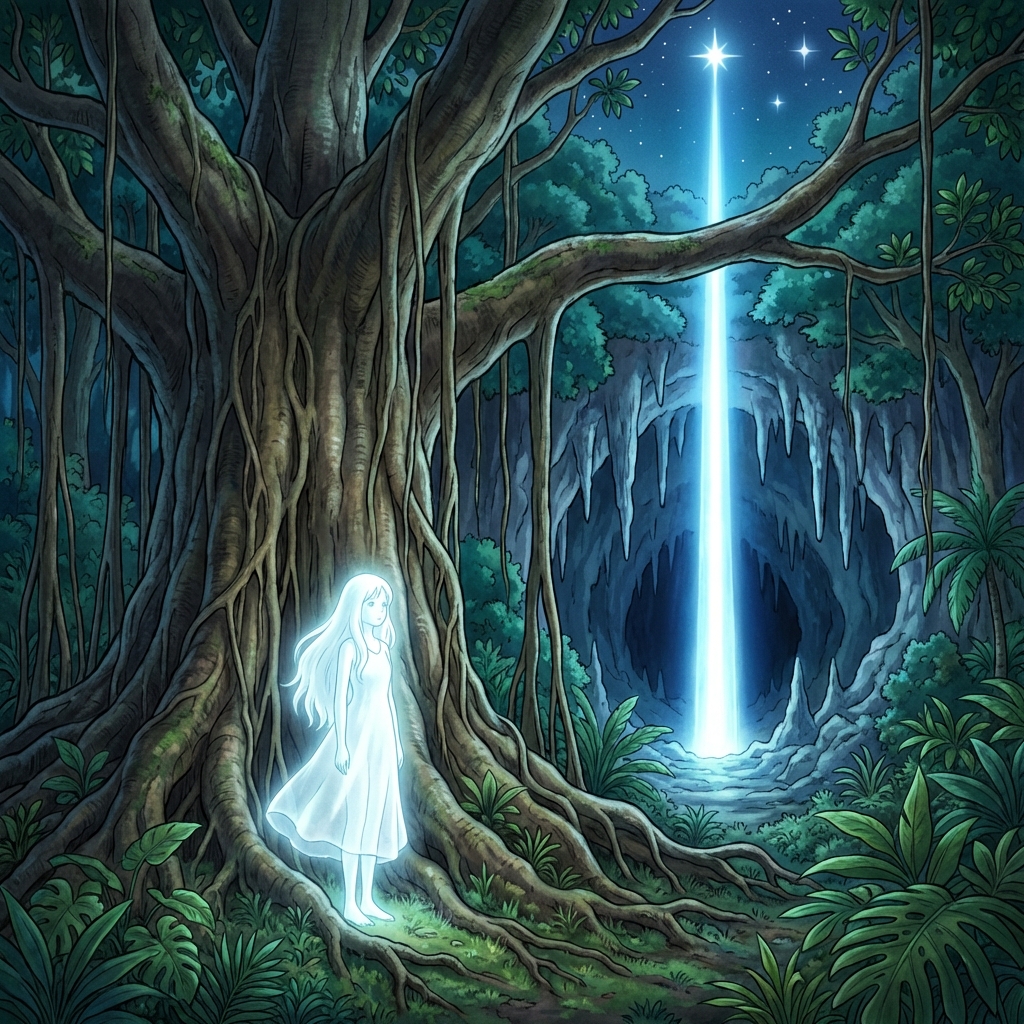
Basic Information
Location: 4-1-43 Hantagawa, Naha City, Okinawa Prefecture
Enshrined Kami: Izanami-no-mikoto, Hayatamawono-mikoto, Kotosakaono-mikoto
History: One of the “Ryukyu Hachi-sha” (Eight Shrines of Ryukyu) that received special treatment from the Ryukyu Royal Government. It was formerly known as “Shikina Gongen” or “Koyasan Gongen” and has been revered as a jinja dedicated to Kumano Gongen.
The Legend of Binzuru, who Emits Light Night After Night
A very mysterious episode surrounds the founding of Shikina-gu jinja. It is said that long ago, when this area was still a wilderness, a mysterious light shone from a cave night after night, reaching as far as the Big Dipper and Altair (of the Aquila constellation).
A woman named Oamushirare noticed this and investigated the cave, discovering a statue of Binzuru (one of Shaka’s disciples) enshrined within. Legend has it that as she deeply revered this statue, her wishes began to come true one after another.
The Miraculous Healing that Saved a Prince’s Life
This legend reached the royal government during the reign of King Sho Gen of the Ryukyu Kingdom (1556-1572). It is said that when the King’s eldest son, Prince Sho Kohaku, suffered from a serious illness, he prayed to the Binzuru in this cave, and his illness was immediately cured.
In gratitude, the prince is said to have invested his own wealth to build the shrine’s main hall (shaden) and the adjacent Shin-oji Temple, marking the beginning of the present-day Shikina-gu jinja. Because of this origin, it is still deeply revered by locals as a power spot for recovery from illness and prayers for good health.
The Forbidden Cave and Its Mystery Behind the Main Hall
The most striking feature of Shikina-gu jinja is the cave located directly behind its main hall. In fact, until 1680, the shrine building itself was inside this cave, but it was relocated to its current spot (outside the cave) to prevent decay caused by humidity.
This cave is now a “sacred area” sealed off by an iron fence, and normally, entry is not permitted. However, the gate is opened only on the 1st and 15th of each month, known as “Tsuitachi Mairi” days, allowing visitors to glimpse its mysterious interior through the fence. The sight of stalactites intertwined with the roots of gajumaru (banyan) trees creates an atmosphere truly reminiscent of a gateway to another world.
The “Kamikakushi” (Spirit Away) of the Snow-White Granddaughter
Shikina-gu jinja also has another poignant and mysterious untold story. The aforementioned Oamushirare had a granddaughter who was said to be as white as snow, spoke little, and refrained from eating any meat or fish, living a pure and ascetic life.
One day, when she went under the gajumaru tree at her residence, she suddenly vanished. People believed she had become a kami (deity), and it is said that her mysterious presence still lingers around Shikina-gu jinja to this day.
Visiting Tips
Shikina-gu jinja is close to the World Heritage site “Shikinaen Garden,” and it is also possible to visit by walking along the “Kinjo-cho Stone Pavement Road” which extends from Shuri Castle. In contrast to the more tourist-oriented Naminoue-gu jinja, the serene grounds of Shikina-gu offer a valuable glimpse into the forms of prayer from the Ryukyu Kingdom era. If you wish to receive a goshuin (shrine seal), it is recommended to confirm in advance before visiting, as the chief priest (guji) often serves concurrently at Futenma-gu jinja.
Related Links / References