 By ando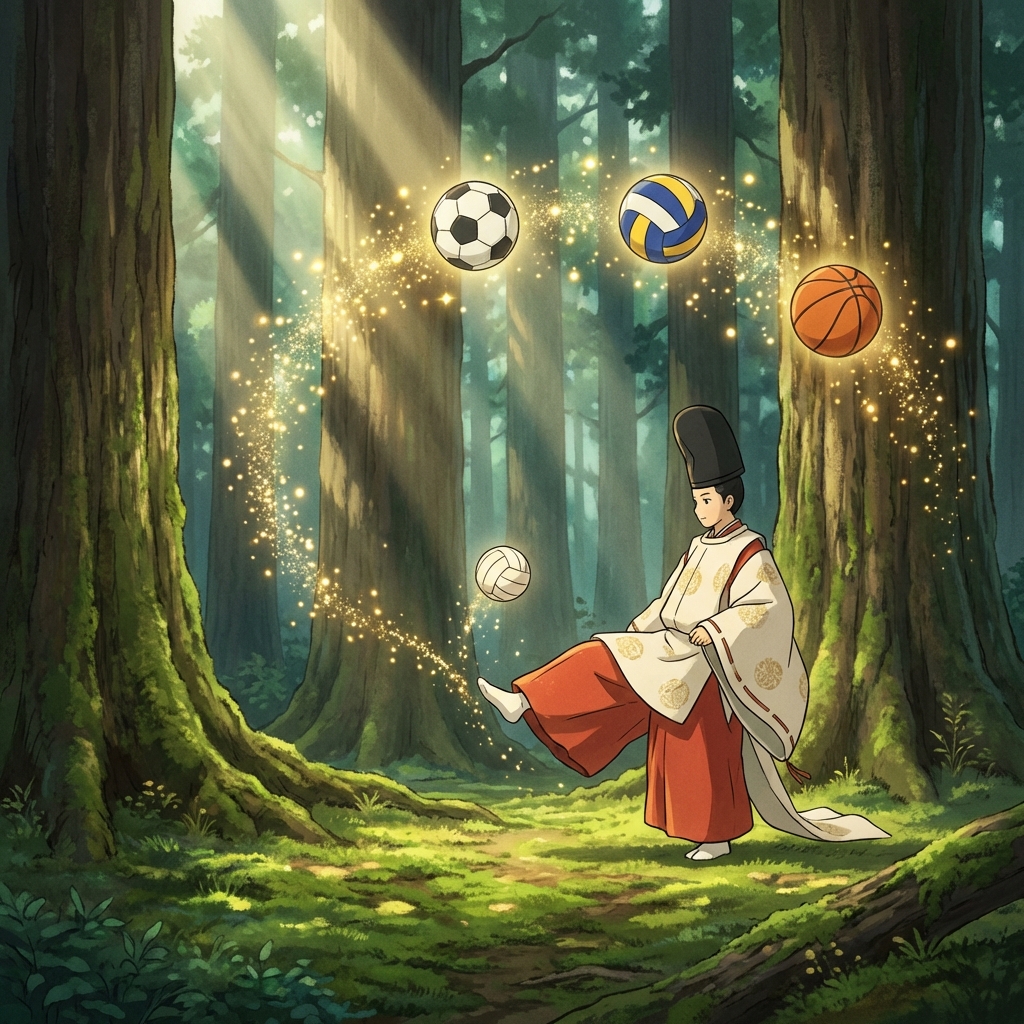
Basic Information
Location: 261 Asukai-cho, Horikawa Higashi-iru, Imadegawa-dori, Kamigyo-ku, Kyoto City, Kyoto Prefecture
Enshrined kami: Emperor Sutoku (Sutoku Tenno), Emperor Junnin (Junnin Tenno)
Access: Approximately 8 minutes walk from Imadegawa Station on the Kyoto Municipal Subway Karasuma Line
Main divine blessings: Improvement in ball sports and other sports, prayers for victory, warding off evil
The Place Where Emperor Sutoku, One of Japan’s Three Great Onryo, Returned to Kyoto
When discussing Shiramine Jingu, the “onryo legend” surrounding Emperor Sutoku, its primary enshrined kami, is indispensable. At the end of the Heian period, Emperor Sutoku was defeated in the Hogen Rebellion and exiled to Sanuki Province (present-day Kagawa Prefecture). He wished to return to the capital and even copied sutras with his own blood, but his wish went ungranted. Overwhelmed by rage, it is said he passed away, leaving behind a curse: “I shall become a great demon of Japan, turning emperors into commoners and commoners into emperors.”
Afterward, Kyoto experienced a series of natural disasters and political upheavals, which people feared as the “curse of Sutoku-in.” During the Meiji Restoration, Emperor Meiji, seeking to navigate a turbulent era, called Emperor Sutoku’s spirit back from Sanuki to Kyoto after more than 700 years. Shiramine Jingu was then established to appease and enshrine this spirit.
Why is it the ‘God of Sports’? The Asukai Family and Their Connection to Kemari
Despite its solemn history of enshrining an onryo, Shiramine Jingu is now visited by athletes from across Japan as a “sacred site for ball sports and other sports.” The reason lies in the very location where the jinja stands.
This was once the site of the residence of the Asukai (Asukai) family, court nobles who were the head family of kemari (traditional Japanese football) and waka poetry. Within the jinja grounds, the auxiliary shrine (sessha) “Jinushisha” enshrines Seidaimyojin (Seidaimyojin), a kami that the Asukai family had revered for generations as their guardian deity. This very kami is known as the “guardian deity of kemari balls,” and today, it draws devotees as the kami of all ball sports, including soccer, baseball, basketball, and volleyball.
A Sacred Site for Anime like ‘Haikyuu!!’ and Other Sports Works
Shiramine Jingu has also become an important sacred site for fans of anime and manga with sports themes.
It is particularly well-known for attracting many fans of the popular volleyball anime ‘Haikyuu!!’. While the jinja does not appear directly in the series, fans wishing for “improvement in volleyball” or “victory in matches” constantly visit to pray for their favorite characters’ success or to vow victory for their own club activities.
Furthermore, within the jinja grounds, a striking display of signed balls donated by renowned top athletes, including those from the Japan Football Association, professional baseball, the J.League, and the B.League for basketball, are arranged, creating an impressive sight.
Must-See Mystery & Insider Story Spots
‘Nademari’ (Petting Ball) for Good Fortune: At the ‘Kemari Monument’ within the jinja grounds, there is a stone ball. It is said that by spinning this ball, one will be granted “ball luck” (good fortune in ball sports). Due to the continuous spinning by visitors, the stone ball is always shiny.
The Strongest ‘Tokon Mamori’: A rare ‘Tokon Mamori’ (Fighting Spirit Charm) is available, said to transform Emperor Sutoku’s powerful energy into “unwavering determination for victory.” It is extremely popular among students facing crucial exams and athletes preparing for important competitions.
Senryusha: This subsidiary shrine (sha) within the jinja grounds enshrines a “Senryu” (Hidden Dragon) that is said to have suddenly appeared around 1955. Believed to bring family prosperity and sever bad relationships, it is a hidden power spot often visited alongside prayers for victory in sports.
Shiramine Jingu has sublimated a tragic history of onryo into modern-day “energy for victory.” It is a place that everyone, not just those dedicated to sports, but also those facing crucial moments in life, should visit.
Related Links and References