 By ando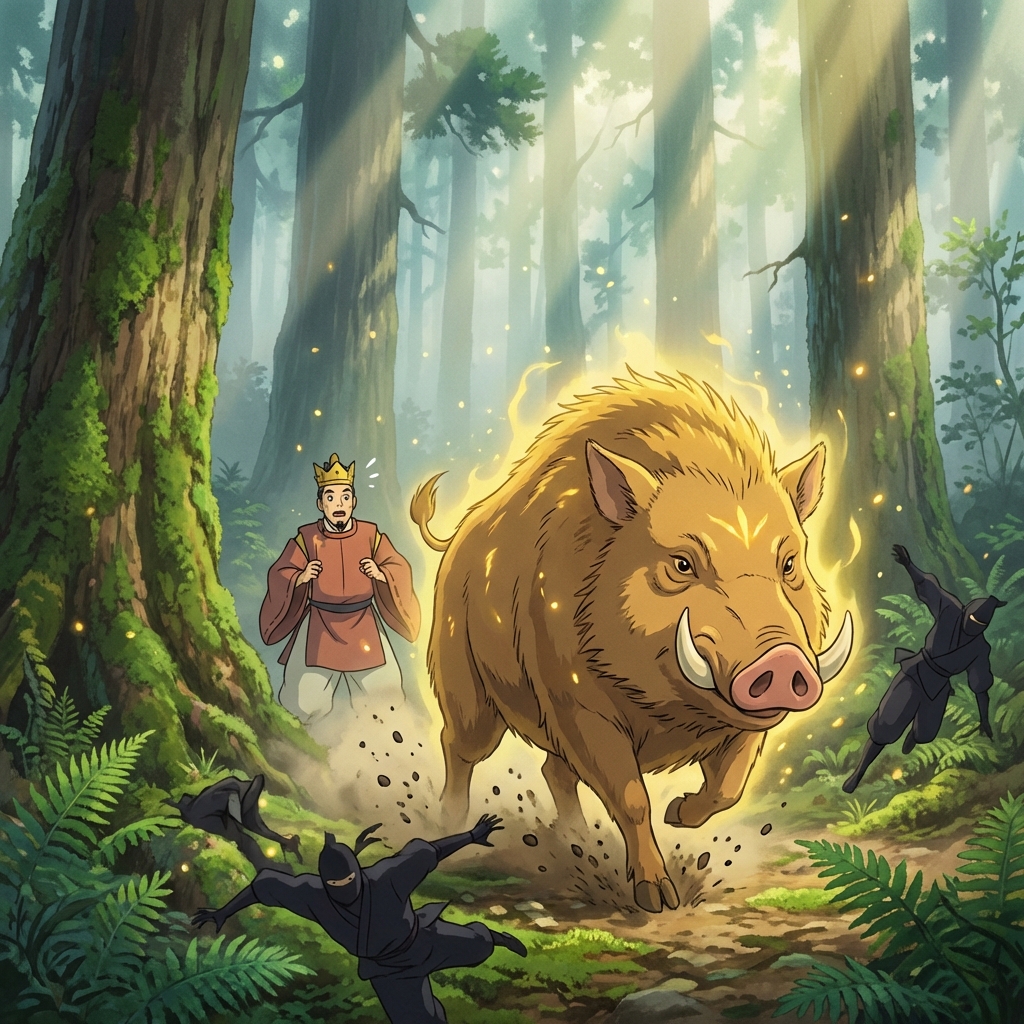
“Sōsa Yakujin Hachiman jinja” is nestled amidst the serene rural landscapes of Kakogawa City, Hyogo Prefecture. Affectionately known by locals as “Sōsa no Yakujin-san,” this jinja is, in fact, one of the most powerful yakuyoke (warding off misfortune) power spots in the Harima region, drawing hundreds of thousands of worshipers from across Japan.
In this article, we will delve into the astonishing legends passed down at this jinja, along with episodes hidden behind its long history.
Basic Information
Location: 580 Nomura, Hachiman-cho, Kakogawa City, Hyogo Prefecture
Enshrined Kami: Homudawake no Mikoto (also known as Hachiman Ōkami), Okinagatarashihime no Mikoto, Nakatsuhime no Mikoto
Founded: Traditionally, Tenpyō Kanpō 1 (749 AD)
—
The Legend of the “Giant Boar” That Saved a Life-Threatening Crisis
The reason Sōsa Yakujin Hachiman jinja came to be so deeply revered as a “kami of yakuyoke” is rooted in a wondrous legend involving Wake no Kiyomaro, a hero of the Nara period.
In Jingo Keiun 3 (769 AD), Kiyomaro was on his way to Usa Hachiman-gū to thwart the ambitions of the monk Dōkyō, who was scheming to usurp the imperial throne. However, en route, assassins dispatched by Dōkyō ambushed Kiyomaro.
It was a desperate situation… and then it happened!
Suddenly, a “giant boar” burst forth from the mountain where the jinja now stands, scattering the assassins one after another and saving Kiyomaro’s life. Having narrowly escaped danger, Kiyomaro later fulfilled his important mission, saving Japan from crisis.
From this tale of the “boar that saved him from disaster (yakuyoke),” this place gradually became known nationwide as a site of miraculous divine favor for warding off misfortune.
The Excitement of the “Yakuyoke Taisai,” One of the Three Great Harima Festivals
The “Yakuyoke Taisai” (Grand Purification Festival), held annually on the third Saturday and Sunday of February (formerly February 18th and 19th), is counted as one of the three great festivals of Harima. The usually quiet jinja grounds transform into a different world for these two days. Numerous stalls and plant markets line the approach path, and the jinja is filled with over 300,000 worshipers each year.
This festival is also called the “festival that announces spring to Harima” and is deeply rooted in the region as an important ritual to mark the end of harsh winter and welcome the new season.
The Rough Seas of History and the Mystery of the “Secret Festival”
The history of the jinja has been far from smooth. In Tenshō 6 (1578), it was engulfed in the fires of the Siege of Miki led by Hashiba Hideyoshi, and all its buildings were once completely burned down. However, the power of faith was strong, and the current jinja buildings were rebuilt just ten years later, in Tenshō 16.
There are also stories that a special ritual known as a “secret festival” (hisai) is passed down at this jinja. During the Grand Festival, among the prayers performed in the Kagura-den (sacred dance and music hall) and the traditional rituals passed down through generations, there may be mystical moments that ordinary worshipers cannot witness.
Points for Your Visit: The Namako-kabe Mikoshigura
One striking feature within the jinja grounds is the “mikoshigura” (portable shrine storehouse), built in Taishō 14 (1925). Its distinctive “namako-kabe” (sea-cucumber wall) with its beautiful black and white contrast is well worth seeing for its imposing structure. Inside, an historic mikoshi (portable shrine) newly crafted in Bunsei 11 (1828) is housed, and its magnificent appearance can be seen during the autumn festival.
—
The powerful energy of the boar that saved Wake no Kiyomaro and the prayers woven over more than 1200 years.
When you reach a turning point in life, or when you wish to reset something and take a new step forward, why not visit “Sōsa no Yakujin-san”? A giant boar might powerfully scatter your misfortunes too.
Related Links and References
[1] YouTube
[2] We visited Hachiman jinja, known as Sōsa no Yakujin-san! | Do you know Kakogawa local stories? | Mypl [Kakogawa City]
[3] Sōsa Yakujin Hachiman jinja – Wikipedia
[4] Sōsa’s “Yakuyoke Hachiman jinja” | Shogo’s “Life, Seven Falls Eight Rises”
[5] Sōsa Yakujin Hachiman jinja History