
 By ando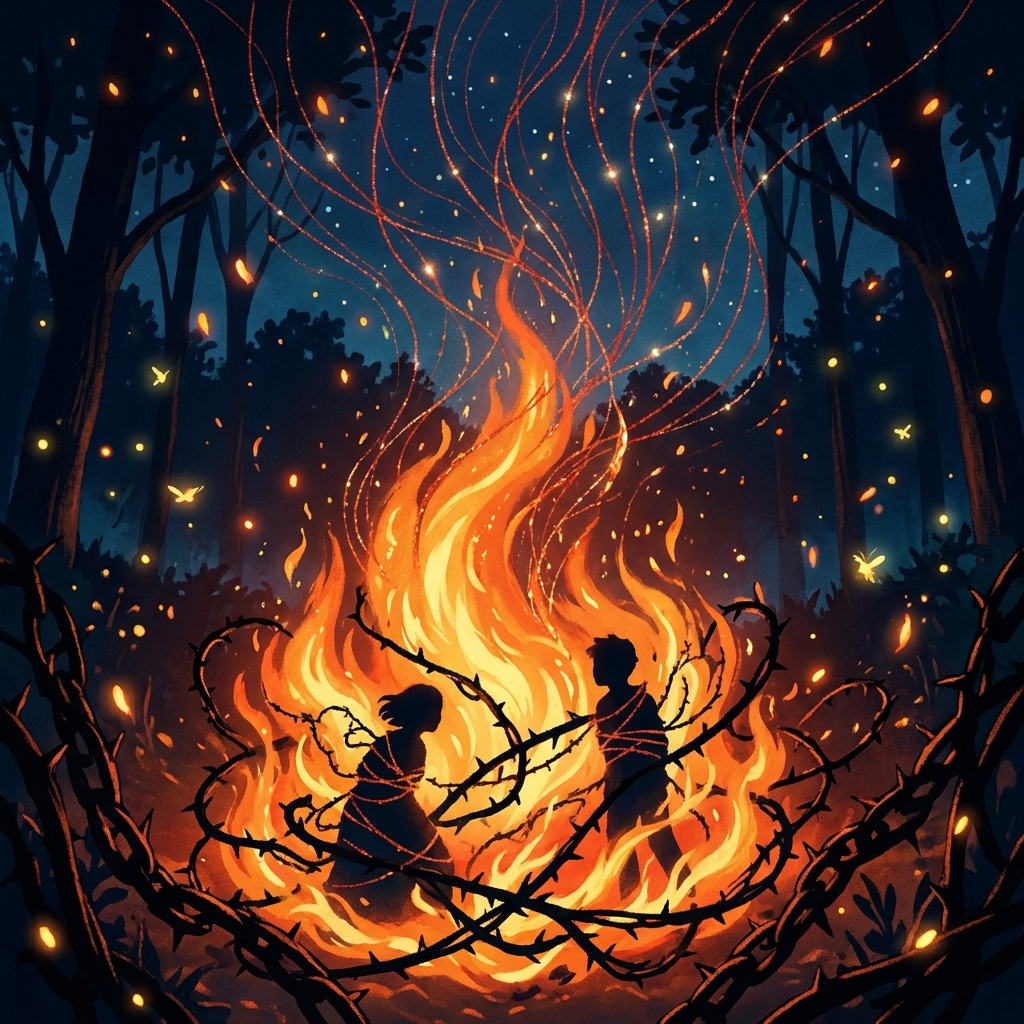
Izumo Taisha Osaka Bunshi, located in Higashi Ward, Sakai City, Osaka Prefecture, is affectionately known by locals as “Sakai no Izumo-san.” However, this is no mere “branch store” of Izumo Taisha in Shimane. In fact, it is a remarkably powerful spot, full of unique beliefs and surprising stories.
Basic Information
Location: 7-1-1 Hishogawa Nishimachi, Higashi Ward, Sakai City, Osaka Prefecture
Enshrined kami: Okuninushi-no-Okami, Hinokagutsuchi-no-Kami
Access: Approximately a 10-minute walk from Hatsushiba Station on the Nankai Koya Line
Main divine blessings: En-musubi (tying good relationships), Akuen-kiri (severing bad relationships), Yakuyoke (warding off evil), Kanai Anzen (family safety)
—
The Mystery of Purification: Severing Bad Relationships and Forging Good Ones
Izumo Taisha is widely known for “en-musubi,” or the tying of good relationships, but what sets this Osaka Bunshi apart is its remarkably strong power to “akuen-kiri,” or sever bad relationships.
In fact, enshrined here alongside Okuninushi-no-Okami, the kami of matchmaking, is Hinokagutsuchi-no-Kami, the kami of fire. This jinja is said to have the perfect “setup”: the kami of fire burns away unwanted bad relationships and misfortunes, clearing the way for Okuninushi-no-Okami to bring in good connections.
Many visitors report feeling a sense of clarity and having their relationships “tidied up” after coming here, making it a hidden gem for those who wish to reset themselves before seeking new encounters.
Fire Walking in Shinto? A Surprising Vestige of Shinbutsu-shugo
One of the most distinctive features of Izumo Taisha Osaka Bunshi is its annual Shimada Matsuri and “Hiwatari Shinji” (fire walking ritual).
While fire walking is typically associated with Shugendo (a Buddhist-based ascetic practice), here it is performed in a Shinto style. This is because the Osaka Bunshi is a branch of the religious organization “Izumo Taisha-kyo,” and it strongly maintains its own unique traditions.
Walking barefoot over burning embers, this ritual purifies the mind and body, and its intensity is truly awe-inspiring. This reverence for fire is also said to be the source of the powerful “akuen-kiri” mentioned earlier.
The Mysterious Architectural Style of “Izumo Yashiki”
When you visit this jinja, you will surely feel a uniquely profound atmosphere. In fact, Izumo Taisha Osaka Bunshi is built upon a special architectural philosophy called “Izumo Yashiki” (Izumo Mansion).
This concept involves placing an entire house under the protection of the kami of Izumo, which includes practices like laying soil from Izumo during construction and performing special prayers.
The main hall of the Osaka Bunshi itself serves as a kind of headquarters for this “Izumo Yashiki” concept. This might be why, upon stepping inside, you are enveloped in a mysterious sense of security, as if protected within a massive spiritual barrier.
The Giant Shimenawa and a Hidden Photo Spot
The enormous shimenawa (sacred straw rope) hanging in the main hall boasts an impressive scale, reminiscent of the main shrine in Shimane. However, seasoned visitors also take note of the pristine atmosphere, meticulously maintained throughout the shrine grounds.
Especially at dusk, the sight of the vermillion torii gate intersecting with the modern cityscape of Sakai creates a mysterious ambiance, like a gateway to another world.
Advice for Your Visit
The proper etiquette for visiting Izumo Taisha (and its branches) is “Nirei Yonhakushu Ichirei” (two bows, four claps, one bow), not the common “Nirei Nihakushu Ichirei” (two bows, two claps, one bow).
It is said that the four claps are not associated with “shi” (death) but rather invite “shiawase” (happiness), or symbolize protection from the four cardinal directions. Please perform this ritual at the Osaka Bunshi, making sure to clap for happiness.
“Sakai no Izumo-san” severs bad relationships and calls forth true, good connections. For those at a turning point in life, or seeking to reset their relationships, this place can truly be called Osaka’s ultimate “sacred site for new beginnings.”
Related Links and References
No sources available.