 By ando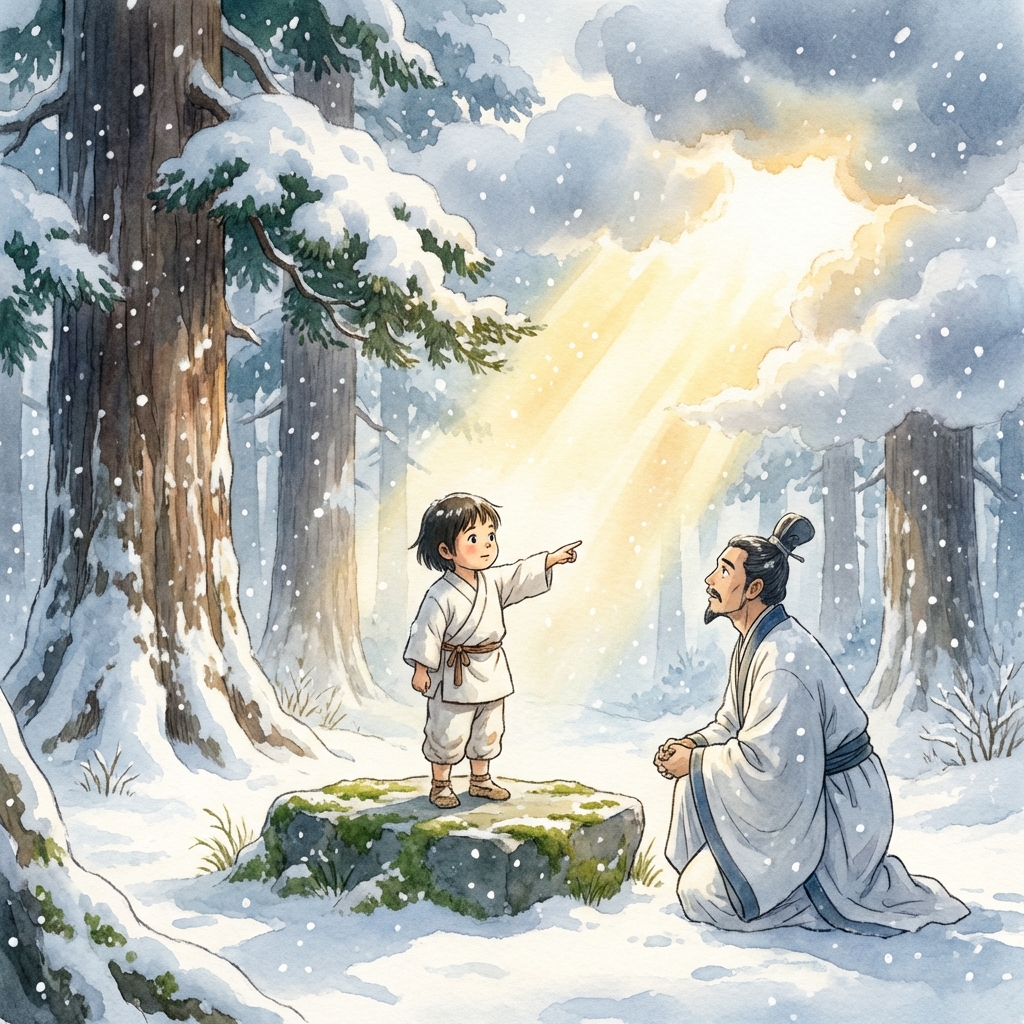
Kengun Jinja, located in Higashi Ward, Kumamoto City, is the oldest jinja in Kumamoto City, counted as one of the “Aso Yonsha” (Four Aso Shrines) along with Aso Jinja, Kosa Jinja, and Kounoura Jinja. Locally, it is affectionately known as “Takemiya-san” (Kengun-san), but delving into its history reveals numerous tales of military honor and mysterious legends.
Basic Information about Kengun Jinja
Location: 13-1 Kengun Honmachi, Higashi Ward, Kumamoto City, Kumamoto Prefecture
Main Kami: Takeokumi no Mikoto, Takeiwa Tatsu no Mikoto, and the Twelve Aso kami
Founded: 558 AD (19th year of Emperor Kinmei’s reign)
Benefits: Protection from evil, household safety, traffic safety, academic success, etc.
A 1.2km Straight Path! Haccho Baba, One of Japan’s Longest Sando
The most distinctive feature of Kengun Jinja is its long sando (approach path), stretching approximately 1,200 meters straight from the grand torii gate on the tram street to the main shrine buildings. It is commonly called “Haccho Baba,” but it is actually longer than “haccho” (approx. 900m), measuring 10 cho and 40 ken (approx. 1,230m).
This sando is said to have been developed by Lord Kato Kiyomasa as a training ground (baba) for military horses when he built Kumamoto Castle. Some of the cedar trees lining both sides of the sando are said to have been planted by Lord Kiyomasa, still preserving the atmosphere of that era. Furthermore, if you look west along this sando on a clear day, Mount Unzen-Fugen can be seen directly in the distance. This design, showcasing ancient surveying techniques and clever placement, makes it a mysterious spot.
Legend: Ishitate Okami, Where a Three-Year-Old Child Appeared
A mysterious legend remains regarding the founding of the jinja. In 558, when the provincial governor of the time attempted to visit Aso Jinja, he was caught in a heavy snowfall and lost his way. At that moment, a child of about three years old appeared from nowhere and declared, “Enshrine the kami of Aso here, and build a shrine facing west. If you do so, you shall repel foreign invaders (such as Silla) and protect the nation.”
This child was the incarnation of Aso Okami, and the stone where he is said to have stood is still enshrined within the precincts as “Ishitate Okami” (Iwatate Okami). While Aso Jinja faces “east” (towards the capital), Kengun Jinja faces “west” (towards foreign lands). This orientation is based on the divine oracle, signifying its role as a crucial “national defense” stronghold.
Battleground of the Seinan War: Departure Point of the Kumamoto-tai
From the late Edo period to the Meiji era, Kengun Jinja also served as a turning point in history. During the Seinan War in 1877, the “Kumamoto-tai” (Kumamoto Unit), a group of samurai from Kumamoto who rallied in response to Saigo Takamori’s Satsuma army, held their formation ceremony and departed from Kengun Jinja.
In front of the romon (two-storied gate), a monument stands inscribed “Place of Departure for the Kumamoto-tai in the Seinan War,” silently conveying the history of the young men who courageously fought through a tumultuous era.
Hidden Power Spots: Amamiya Jinja and Hoso-ishi
Beside the main hall is Amamiya Jinja, where Lord Kato Kiyomasa is said to have prayed for rain. Nearby, the “Hoso-ishi” (Smallpox Stone) is a sacred stone believed to cure illness if touched. It is a compassionate spot that has long received the suffering and wishes of the local people.
Anime and Manga Pilgrimage Information
With its solemn atmosphere, Kengun Jinja has also appeared in works set in Kumamoto.
“Natsunagu!”: An anime aired in 2020, entirely filmed in Kumamoto. Its beautiful sando and precincts are depicted as places visited by the protagonists.
“Koharu Haru!”: A manga series depicting the daily lives of high school girls in Kumamoto City. Kengun Jinja appears as an important location in the work and is known as a sacred site among fans.
Walking along the long sando, reflecting on the era of Lord Kiyomasa and the warriors of the Seinan War, and finally passing through the romon to step into the sacred precincts. Kengun Jinja is a special place where Kumamoto’s history is condensed, a place that cannot be simply described as just a power spot.
Related Links / References
[1] https://sennencho.jp/kengunshrine-goshuin 【御朱印情報】熊本県「健軍神社」の「熊本市最古社」「長い参道」の特徴が記される御朱印 – オーダーメイド納経帳・御朱印帳「千年帳」
[2] https://moritayasuo.wixsite.com/country-ology/single-post/2016/04/10/%E7%81%AB%E5%9B%BD%E9%80%A0%E3%81%AE%E7%A5%96%E3%83%BB%E5%81%A5%E7%B7%92%E7%B5%84%E5%91%BD%E3%81%A8%E9%98%BF%E8%98%87%E5%8D%81%E4%BA%8C%E7%A5%9E%E3%82%92%E7%A5%80%E3%82%8B%E7%86%8A%E6%9C%AC%E5%B8%82%E6%9C%80%E5%8F%A4%E3%81%AE%E7%A5%9E%E7%A4%BE%E3%80%8C%E5%81%A5%E8%BB%8D%E7%A5%9E%E7%A4%BE%E3%80%8D
[3] https://jinjajourney.azurewebsites.net/ja/%E7%86%8A%E6%9C%AC%E3%81%AE%E3%83%91%E3%83%AF%E3%83%BC%E3%82%B9%E3%83%9D%E3%83%83%E3%83%88%EF%BC%81%E5%81%A5%E8%BB%8D%E7%A5%9E%E7%A4%BE%E3%81%AE%E9%AD%85%E5%8A%9B%E3%81%AB%E8%BF%AB%E3%82%8B%EF%BD%9E/
[4] https://seinansensou.jp/theseinansensou/episode1/
[5] https://www.ame-kuma.com/post/s_khh01/
[6] https://note.com/dessertrose03/n/n2e432539250c
[7] https://kumamoto.guide/spots/detail/12353
[8] http://jyashin.net/evilshrine/gods/tsuchigumoshrine/tsuchigumotriphigo0102.html
[9] https://kawayura.com/2021/10/5390/
[10] https://mirahouse.jp/landscape/kuma/shrine_kengun/index.html
[11] https://www.kumamoto-kmm.ed.jp/kyouzai/syougai/data/20kengunjinjya.htm
[12] https://kumamoto-powerspot.com/shrine/kengun_shrine/