
 By ando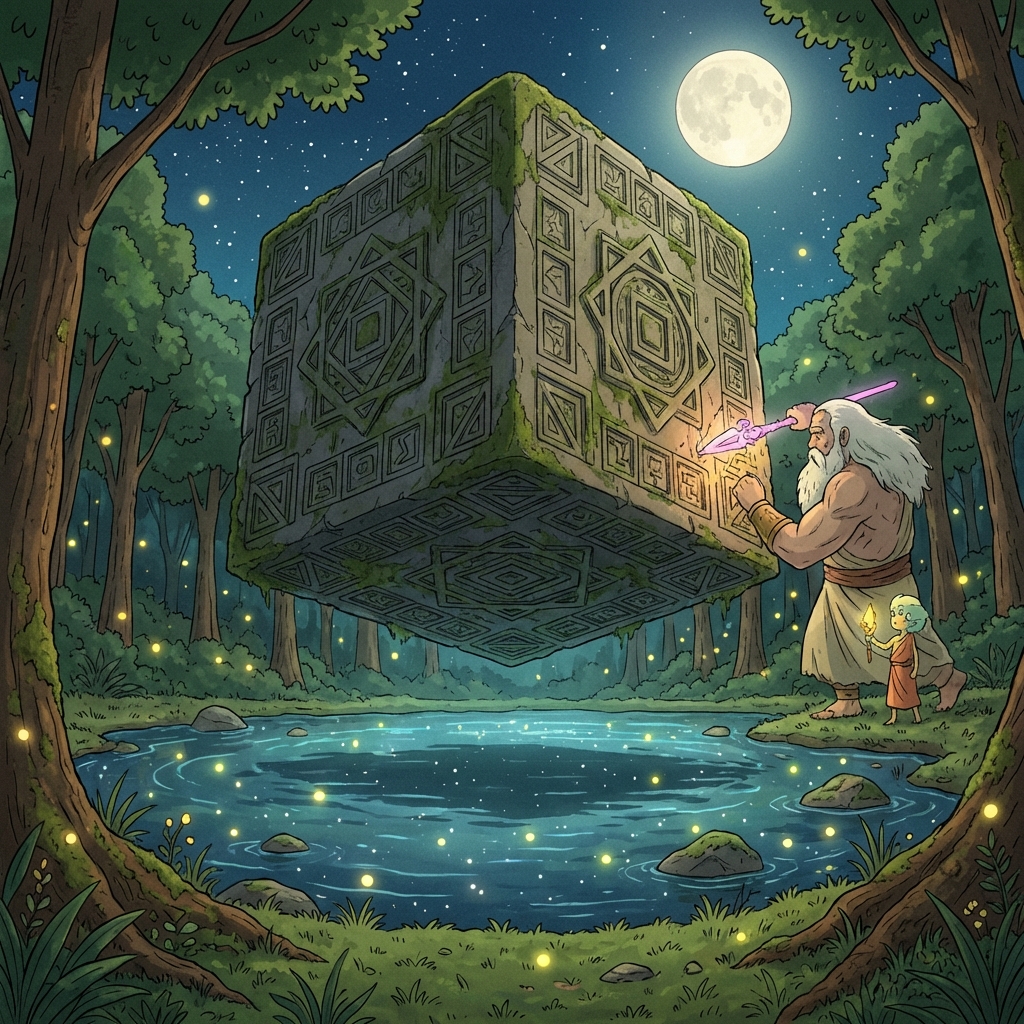
In Takasago City, Hyogo Prefecture, there exists a “mystery spot” that remains shrouded in many enigmas even with modern science and historical scholarship. This is Oshiko Jinja, which enshrines the Ishi-no-Hoden (ishi-no-hoden), counted as one of Japan’s Three Great Mysteries, as its goshintai (sacred object of worship).
This time, we will provide a detailed introduction to the fascinating legends and untold stories passed down at this jinja, as well as pilgrimage information that fans won’t want to miss.
Basic Information
Location: 171 Amidacho Oshiko, Takasago City, Hyogo Prefecture
Enshrined Kami: Okuninushi-no-kami (Okuninushi no kami), Sukunabikona-no-kami (Sukunabikona no kami)
Goshintai (Sacred Object): Ishi-no-Hoden (a massive stone structure)
The Mystery of the ‘Floating Stone’ on the Water’s Surface
The main highlight of Oshiko Jinja is the colossal stone structure known as Ishi-no-Hoden, enshrined behind the main hall. It stands approximately 5.7 meters tall, 6.4 meters wide, 7.2 meters deep, and has an estimated weight of astonishingly 500 tons.
The most mysterious aspect of this giant stone is that it is situated within a pond carved out of bedrock, appearing as if it is “floating on the water’s surface.” This is why it has been known as Ukii-shi (Floating Stone) since ancient times. While it is actually connected to the bedrock at the center of its base, the surrounding area is deeply hollowed out, creating the illusion that it is truly suspended in mid-air depending on the viewing angle.
Even more mysteriously, the water in this pond is said to “never dry up, no matter how long a drought continues.”
Built by Kami ‘Overnight’? A Stunning Legend
It is unknown when, by whom, or for what purpose this giant stone was constructed. According to a legend passed down at the jinja, two kami (deities), Okuninushi-no-kami and Sukunabikona-no-kami, attempted to build a “stone palace” to govern the land, and “carved it to this extent in a single night.”
However, during the work, a rebellion by local kami broke out. While quelling the rebellion, dawn broke. As a result, the palace was left incomplete in its current form.
Historical records show that the Harima-no-kuni Fudoki (Records of the Culture and Land of Harima Province) from the early Nara period already contains a description stating it was “built by Mononobe Moriya during the time of Shotoku Taishi.” This proves its existence in this location over 1300 years ago.
Untold Stories that Astonished Even Siebold
During the Edo period, Philipp Franz von Siebold, a German physician stationed at Dejima in Nagasaki, also visited this site on his journey to Edo. He was overwhelmed by the unusual appearance of this massive stone and left detailed sketches. Even to the eyes of Westerners at the time, this Ishi-no-Hoden appeared to be an extremely intriguing artifact, perhaps a testament to Japan’s advanced stonemasonry techniques or the legacy of an unknown civilization.
Today, its shape, which resembles “a house laid on its side,” leads to a prominent theory that it might be an unfinished colossal stone sarcophagus (tomb). However, there are also many fans who advocate a more sci-fi-like theory that it was “an ancient high-tech device.”
Pilgrimage Information: The Setting for the Popular Manga ‘Yotsuba&!’
Oshiko Jinja is also known as a sacred site for the popular manga ‘Yotsuba&!’.
The episode ‘Yotsuba & Kanagawa’ in Volume 10, Chapter 67 of the manga (though the location is not specified in the work itself, the landscape descriptions are remarkably similar), combined with author Kiyohiko Azuma being from Hyogo Prefecture, makes Ishi-no-Hoden famously known among fans as one of its models.
The overwhelming sense of scale when you witness this colossal rock firsthand allows you to feel as if you have truly stepped into the world of the manga.
Key Points for Your Visit
A pathway surrounds the giant stone, allowing you to walk all the way around it. Furthermore, if you ascend to the summit of Hoden-zan mountain behind the jinja, you can not only look down upon the colossal stone from above, but also enjoy a magnificent panoramic view of Takasago city and Harimanada (Harima Sea).
Why not immerse yourself in the ancient romance of “Who built it, and for what purpose?” while experiencing the power of one of Japan’s Three Great Mysteries firsthand?
Related Links and References
[1] The Mystery of Takasago’s Ishi-no-Hoden – What is it in the first place? Why is it here? (Page 2)
[2] From Ishi-no-Hoden to Kanto-sho, a thrilling ridge path with sheer cliffs – Newsletter – Himeji Film Commission
[3] Memories of the ‘Great Stone’ – A Journey to Oshiko Jinja in Harima-no-kuni Fudoki | Toshiki Tojo | Japanese Literature Essay 236 | Department of Japanese Language and Literature | Notre Dame Seishin University
[4] Mysterious Colossal Stone Structure – I visited Ishi-no-Hoden (Oshiko Jinja) (Takasago City, Hyogo Prefecture) | Ryofudo
[5] Hyogo Channel | Siebold also visited! The miraculous power stone Tatsuyama-ishi, weaving 1700 years of history – Takasago Ishi-no-Hoden / Koko ga Field 10
[6] 501 Not Implemented
[7] Sacred Pilgrimage Sites in Hyogo Prefecture | A Blog from Anone’s Perspective
[8] Legends and Ukiyo-e Related to Hyogo, Part 25 | Kobekko
[9] Oshiko Jinja (Ishi-no-Hoden) | Tourist Spots | Official Hyogo Prefecture Tourism Site HYOGO!Navi | Full of Must-Know Tourist Information!
[10] Oshiko Jinja’s Ishi-no-Hoden (Takasago City, Hyogo Prefecture) | Research on what are called Ishigami, Iwakura, Iwasaka, Strange Rocks, and Megaliths
[11] Japan’s Three Great Mysteries! Is the mysterious Iwakura man-made? Oshiko Jinja’s Ishi-no-Hoden (Harima Series) | Yanmaa