 By ando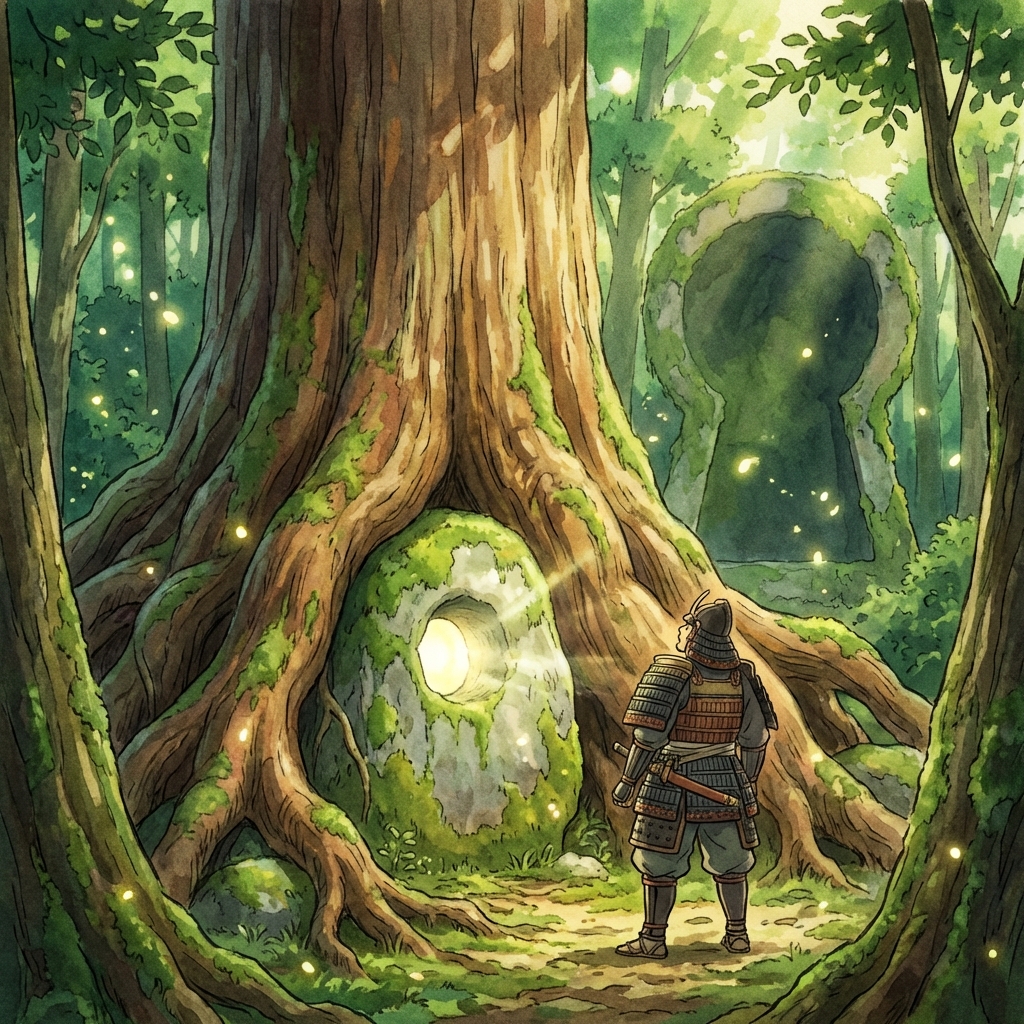
Basic Information
The shrine’s name is Okunitama jinja (Okunitama Shrine). It is located at 54 Miyamai, Aza Suganami, Taira, Iwaki City, Fukushima Prefecture. The enshrined kami are Onamuchi no Mikoto (also known as Okuninushi no Mikoto), Kotoshironushi no Mikoto, and Sukunahikona no Mikoto. It was founded in Yoro 3 (718 AD).
Iwaki City’s Oldest History and the Birth of “Iwaki no Kuni”
Okunitama jinja is said to have been founded approximately 1300 years ago in Yoro 3 (718 AD), when “Iwaki no Kuni” (Iwaki Province) was established in this region, with the wish for the peace and stability of the province. It is listed first among the “Seven Shrines of Iwaki District” in the Engishiki Jinmyocho, a historical record of shrines, truly making it the oldest and most representative ancient jinja in the Hamadori region.
The Legend of Sakanoue no Tamuramaro, Seii Taishogun
During the Heian period, a legend states that Seii Taishogun (Commander-in-Chief of the Expeditionary Force Against the Barbarians) Sakanoue no Tamuramaro, who visited this land for the subjugation of the Emishi, repaired the dilapidated shrine and prayed for victory in battle. Even a general with such high military honor may have felt the divine power of this place and been confident of victory. During the Edo period, it was deeply revered by the lords of the Iwaki-Taira Domain, and the current Honden (main sanctuary) is a historically valuable structure built in Enpo 7 (1679 AD).
The Mysterious Giant Burial Mound “Kabutozuka Kofun” on Shrine Exclave
Just near the jinja (on an exclave of its grounds) stands the “Kabutozuka Kofun,” a nationally designated historic site. This is said to be the burial mound of “Takekoro no Mikoto,” the first Kuni-no-miyatsuko (a position similar to a governor) of Iwaki no Kuni. This area, where the jinja and the kofun are integrated, is also known as a mystery spot imbued with the strong spiritual power of the clan that ruled this land since ancient times.
“Iwaki’s Daikoku-sama” and the Unique “Daikoku-sama Kentei”
Locally, it is affectionately known as “Iwaki’s Daikoku-sama,” but what surprises visitors is the “Daikoku-sama Kentei” (Daikoku-sama Test). A playful initiative is offered: if you pass a monthly changing quiz, you receive a certification stamp from the kannushi (Shinto priest) and can be granted a special, limited edition “Tamashii” (Soul) Goshuin (shrine stamp). Furthermore, at the Juyosho (amulet office), there is an extra-large omamori (amulet) said to be “one of the largest in Tohoku,” whose impressive presence is worth seeing.
Mysterious Spots on the Grounds: Onaanai-ishi and Child-Granting Stone
Beside the Sando (path to the shrine) is the “Onana-ishi” (Demon Hole Stone), which enshrines the Aramitama (fierce spirit) of the enshrined kami. It is believed to have the power to ward off evil and promote good health, attracting worshippers since ancient times. Nearby, there is also a stone statue said to bring the benefit of fertility, allowing visitors to feel the spirit of folk beliefs that have long accompanied people’s earnest wishes, alongside the depth of history.
Estimated 1000-Year-Old Cedar Tree
On the shrine grounds stands a giant cedar tree, estimated to be 1000 years old (some say 1300 years), which has watched over the jinja’s history. Even during the Great East Japan Earthquake, this sacred tree (Goshinboku) quietly protected the area, and from it, you can feel an overwhelming life force. It is one of Iwaki City’s leading power spots, where history, mystery, and unique initiatives coexist.
Related Links and References