 By ando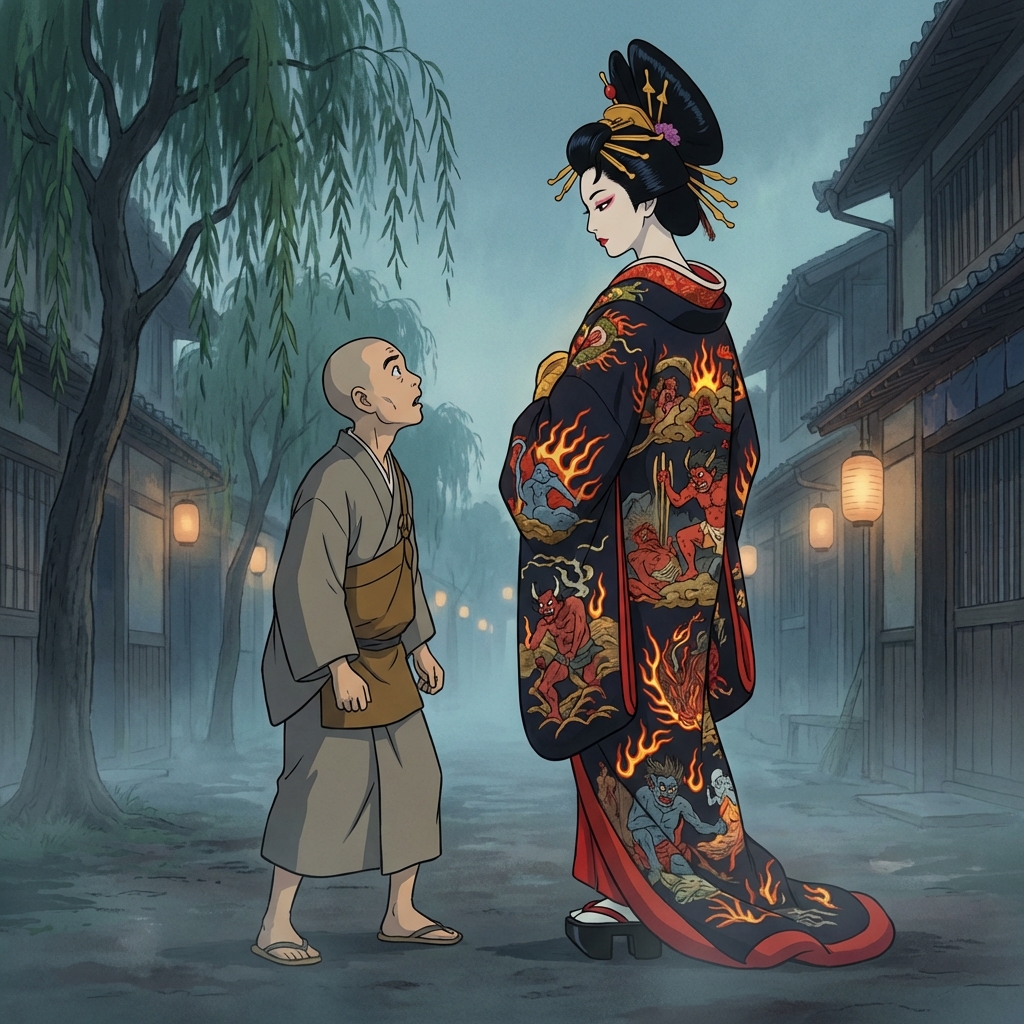
Takasu jinja quietly stands along the Hankai Tramway tracks in Sakai City, Osaka Prefecture. At first glance, it appears to be a tranquil Inari shrine nestled in a residential area, but it actually holds deep stories connected to “firearms” that shook Japanese history and a “legendary beauty” who captivated even Ikkyu-san.
This time, we will introduce the highlights and untold episodes of Takasu jinja, rich in historical romance.
Basic Information
Location: 3-5 Kitahancho Higashi, Sakai-ku, Sakai-shi, Osaka Prefecture
Enshrined kami: Toyouke no Okami, Sarutahiko no Mikoto, Omiyahime no Mikoto, Omononushi no Mikoto
Access: Immediately adjacent to the Takasu jinja tram stop on the Hankai Electric Tramway Hankai Line.
The Story of Tokugawa Ieyasu and the Man Who Created Japan’s First Cannon
The founding of Takasu jinja dates back to Genna 1 (1615) in the early Edo period. Gunsmith Shibatsuji Riemon, a cutting-edge engineer of the Sengoku period, was deeply involved in the shrine’s origins.
Riemon was tasked by Tokugawa Ieyasu with the supreme mission to “create an iron cannon” and succeeded in completing Japan’s first large iron cannon. His achievements were remarkable; in the Osaka Winter Campaign of 1614, Ieyasu urgently commanded him to produce 1,000 firearms, which he successfully accomplished.
As a reward, Ieyasu granted him the land of “Takasu,” where the jinja stands today. Riemon, wishing for the prosperity of his fellow gunsmiths and the peace of the town of Sakai, invited Inari Myojin to this location, marking the beginning of Takasu jinja. It truly is a sacred site that symbolizes Sakai, “the town of firearms.”
Mystery and Legend: Jigoku Tayu, Beloved by Ikkyu-san
Around Takasu jinja, there was once a “Takasu pleasure quarter.” Here, the legend of Jigoku Tayu, one of the most famous and mysterious courtesans in Japanese history, lives on.
Captured by bandits and sold into prostitution, she believed that “misfortune in this life is retribution from a past life,” and named herself “Jigoku” (Hell). What she wore was a gorgeous kimono, lavishly embroidered with depictions of hell, known as a “Jigoku Hensozu” (Hell Transformation Painting). Her beauty and intelligence even reached the ears of the eccentric monk, Ikkyu Sojun (Ikkyu-san).
Ikkyu visited her and composed this poem:
「聞きしより 見て恐ろしき 地獄かな」
(More terrifying to see than to hear by rumor, is this Jigoku’s beauty, like hell itself.)
In response, Jigoku Tayu immediately replied:
「しにくる人の おちざるはなし」
(Those who come to die = those who come to meet me, never fail to fall = fall in love.)
Ikkyu was deeply impressed by this witty exchange, and it is said that the two were bound by a deep bond, like that of a master and student. Takasu jinja is also a place where such an elegant, yet slightly melancholic, legend breathes.
Fun Facts and Insider Stories for Your Stroll
1. Is the station name ‘jinsha’ instead of ‘jinja’?
The Hankai Tramway stop directly in front of the jinja is named “Takasu jinja,” but the in-train announcement and official reading is “Takasu jinsha” (たかすじんしゃ). The reason why it is not voiced (pronounced with a voiced consonant sound) remains a mystery. When you visit, be sure to listen closely to the announcement.
2. Doesn’t look like a jinja? The ‘residential-style’ main hall.
First-time visitors might be surprised by its exterior. The shaden (main hall) of Takasu jinja has a very unusual structure, resembling a two-story residential house at first glance. However, if you peek inside, a magnificent honden (sanctuary) is enshrined, and this contrast is also part of the jinja’s mysterious charm.
3. ‘Manganseki’ and numerous kami filling the grounds.
Despite its narrow grounds, if you go to the back, you will find a surprisingly large number of setsha (auxiliary shrines). From Sanpo Koshin for household safety, to Awashima no kami, the guardian deity of women, and even the “Manganseki” (Wish-Granting Stone) that grants wishes, are enshrined here. It is affectionately known by locals as “Takasu no Oinari-san,” a place that grants all kinds of wishes.
Takasu jinja is one of Sakai’s premier historical spots, where the pride of gunsmiths and the legacy of a legendary beauty intersect. Why not listen to the “chinchin” sound of the Hankai Tramway and reflect on Sakai’s past prosperity and legends?
Related Links and References
What Kind of Shrines Are Sacred Sites for Manga, Anime, and Celebrities? [Shrine Stories] – Livedoor News
Takasu jinja – A Shrine Connected to the Gunsmith Shibatsuji in Sakai | Kami and Hotoke of Osaka/Naniwa
Myokokuji Temple | Spot | Sakai Tourist Guide
5464 Takasu jinja, Sakai-ku, Sakai-shi, Osaka Prefecture | A Man Who Tries to Visit All Shrines in Japan
Takasu jinja | ‘Mairu’ (Visit/Worship) – A Site Making Shrines and Temples More Accessible
Sakai City Walk Series, Takasu jinja (Sakai-ku, Sakai-shi) | My Body is Heavy, So I Write ‘Taiju’ (Sakai, Osaka, Kansai Food Tour)
Takasu jinja (Sakai-ku, Sakai-shi) – An Inari Shrine Connected to the Gunsmiths, Also the Origin of a Station Name
Sakai’s Hidden Gem, Takasu jinja: The Story of Gunsmiths and Kami –
[6. Takasu jinja]
Takasu (Jigoku Tayu and Monk Ikkyu) of Sakai – New Osaka Stories (667) | Today’s Scenery
Takasu jinja
Takasu jinja
Takasu jinja
Teppo Kaji Yashiki (Former Inoue Sekiuemon Family Residence, Sakai City Museum of Machiya History) Sakai City