
 By ando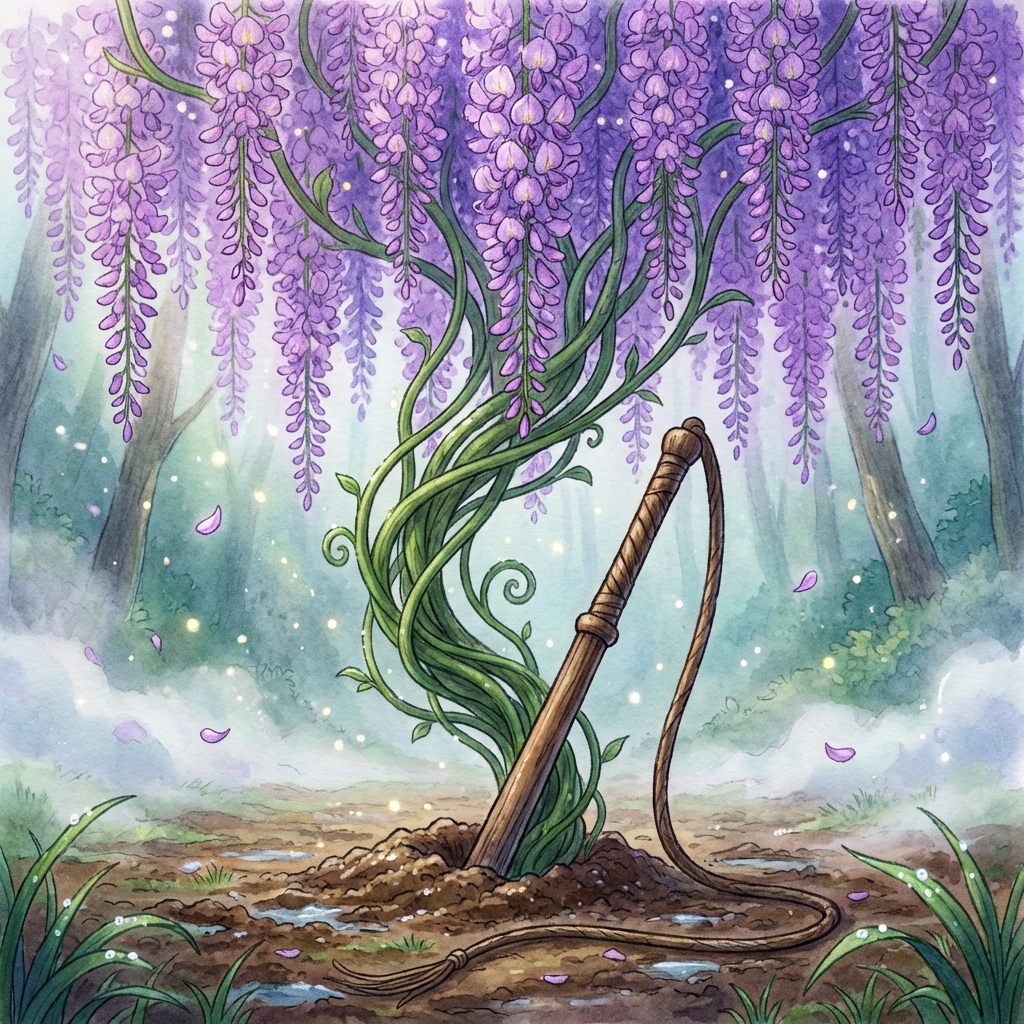
Basic Information
– Location: Kumamoto Prefecture, Kumamoto City, Chuo Ward, Igawabuchi-machi 3-1
– Enshrined kami: Emperor Ojin (first enshrined kami), Sumiyoshi-Okami (second enshrined kami), Empress Jingu (third enshrined kami)
– Founded: Shohei 5 (935 CE)
– History: Its origin dates back to an imperial request from Emperor Suzaku, who prayed for the suppression of Taira no Masakado’s rebellion and the protection of Kyushu. To fulfill this, a bunrei (branch spirit) was invited (kanjo) from Iwashimizu Hachimangu in Kyoto. As the sochinju (general guardian deity) of the Kumamoto city area, it has long been affectionately known as “Fujisaki-san” by locals.
The miracle that happened overnight, hidden in the name “Fujisaki”
The name of the jinja, “Fujisaki,” holds a mystical legend. At the time of its founding, an imperial envoy carrying a “wisteria whip” broke it into three pieces and thrust them into the ground. Miraculously, one of the pieces instantly sprouted buds, grew lush foliage, and bloomed beautiful flowers overnight. This episode, “the land where wisteria bloomed” (fuji ga saita chi), became the direct origin of the jinja’s name, “Fujisaki.”
The mystery of the character “旛,” rare in Japan
If you look closely at the spelling of Fujisaki Hachimangu, you’ll notice that instead of the common “八幡宮” (Hachimangu), the character “旛,” meaning flag, is used. There’s a backstory to this: it originates from the chokugaku (an imperial plaque, a signboard personally written by the emperor) gifted by Emperor Gonara in Tenbun 11 (1542), which bore the inscription “八旛.”
The reason why “旛” was chosen instead of “幡” is not definitively known. However, “旛” carries the meaning of “a large, wide, magnificent flag,” suggesting it may have been selected as a more authoritative and distinguished notation. Even today, this unique character “旛” is displayed on the Otorii (grand torii gate) of the jinja.
Driven out of Kumamoto Castle? The Satsuma Rebellion and the tragedy of relocation
In fact, Fujisaki Hachimangu was not originally located where it stands today. It was once enshrined within what is now Kumamoto Castle, specifically on the site of the current Fujisakidai Prefectural Baseball Stadium. It was deeply revered by successive feudal lords, including Lord Kato Kiyomasa, as the “guardian kami of the castle.” However, during the Satsuma Rebellion in Meiji 10 (1877), its shrine buildings were burned down. Furthermore, its former site became land for the army (Kumamoto Garrison), forcing its relocation to the current Igawabuchi-machi.
At Fujisakidai, its former shrine grounds, a group of camphor trees (a national natural monument) over 1,000 years old still remains, conveying the former majesty of the jinja.
The “Boshita” chant and the episode of Kato Kiyomasa’s triumphant return
Fujisaki Hachimangu is famous for its Autumn Grand Festival (Shuki Reitaisai) held in September. In particular, the procession called “Zuihyo” is said to have originated when Kato Kiyomasa, after safely returning from his expedition to Korea, led his soldiers to visit the kami in gratitude.
The chant “Boshita, Boshita,” once shouted by the seko (participants leading the horses), was very familiar to Kumamoto residents. However, there are various theories about its origin, including the theory that it meant “destroyed (Korea)” or that it was simply an onomatopoeia. Currently, due to international considerations, the chant has been changed to “Dookai, Dookai.” This change in chant is also one of the behind-the-scenes stories of the festival that reflects the changing times.
Pilgrimage information: Anime ‘Koharu Haru!’
In ‘Koharu Haru!’ (by Haruaki Kato), a youth cheering squad story set in Kumamoto, Fujisaki Hachimangu and its surrounding scenery appear in the work because the high school attended by the protagonists is modeled after the nearby Seiseiko High School. Furthermore, in works set in Kumamoto, the jinja’s vermilion-lacquered romon (two-storied gate) and the enthusiastic atmosphere of its grand festival are often depicted as symbols of the region, making it an indispensable pilgrimage spot for fans.
Related Links / References
[1] Kumamoto Sochinju Fujisaki Hachimangu: A Power Spot Tour enveloped in history and nature
[2] The history of Fujisaki Hachimangu | Official Kumamoto Prefecture Tourism Site Motta, Motto! Kumamoto.
[3] Fujisaki Hachimangu Fujisaki Hachimangu
[4] Reitaisai – Fujisaki-gu | Official Site of Kumamoto Sochinju Fujisaki Hachimangu
[5] Fujisaki Hachimangu (Kumamoto City) – All Kumamoto
[6] Origins and History – Fujisaki-gu | Official Site of Kumamoto Sochinju Fujisaki Hachimangu
[7] Diary of a Post-School Teibo | animetourism88
[8] 403 Forbidden
[9] Fujisaki Hachimangu | Tourist Spots | Kumamoto City Tourism Guide