
 By ando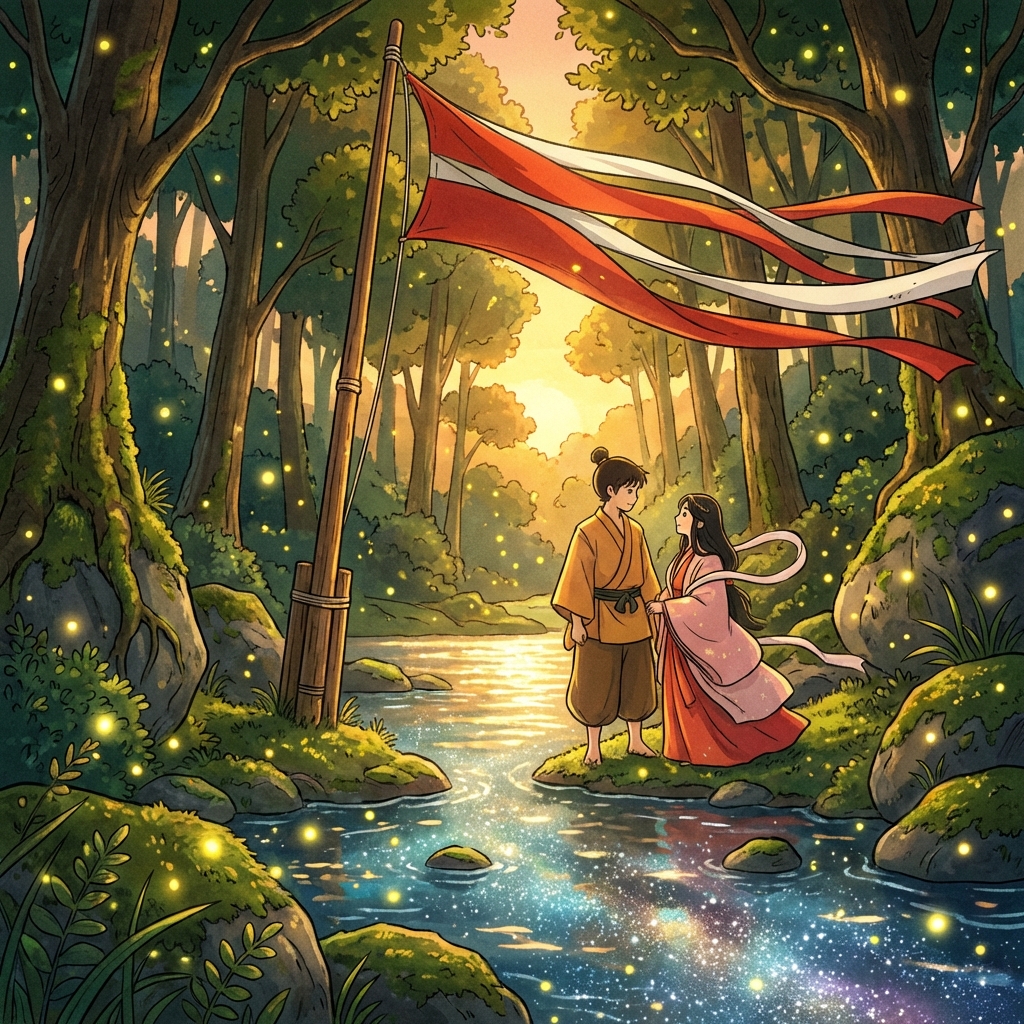
Basic Information
Name: Amanotanagao-jinja (also read as Amanonagao-jinja)
Location: 730 Tanaka-fure, Gonoura-cho, Iki City, Nagasaki Prefecture
Enshrined Kami: Amenoochihomimi-no-mikoto, Amenotajikarao-no-mikoto, Amenouzume-no-mikoto
Shrine Rank: Ichi-no-miya of Iki Province, Myojin Taisha (a prestigious historical rank)
The “Mystery of Designation” surrounding Iki Province’s Ichi-no-miya
Amanotanagao-jinja is noted in the “Engishiki Jinmyocho” from the Heian period as a “Myojin Taisha,” the highest rank, and is considered the Ichi-no-miya of Iki Province (the shrine with the highest prestige in a region). However, a historical mystery lies hidden within the question of whether this jinja is truly the original Ichi-no-miya.
During the Mongol invasions (Genko) in the medieval period, the shrines of Iki were devastated, and the exact location of the Ichi-no-miya was lost. In 1676, during the Edo period, the kokugakusha (classical scholar) Tachibana Mitsuyoshi, commissioned by the Hirado Domain, visited Iki for a survey. Relying on the sound of the place name “Tanagao” that he heard from a local elderly woman, he discovered the current shrine grounds within a bamboo grove. Recent research suggests that Ko-jinja, located elsewhere, might be the true original Ichi-no-miya. This ongoing debate among history enthusiasts makes Amanotanagao-jinja known as an “Ichi-no-miya full of mysteries.”
Origin of the Name “Amanotanagao” and the Legend of Empress Jingu
The intriguing name “Amanotanagao” holds a heroic legend related to Empress Jingu.
According to tradition, when Empress Jingu was heading to conquer the Three Kingdoms of Korea, the kami of Munakata are said to have attached red and white flags to a long banner pole called “Mitenaga” and brandished it to confuse the enemy. After the battle, this banner pole was erected on this land, which is believed to be the origin of the shrine’s name “Amanotanagao.” It symbolizes not merely “a long-armed man,” but the sacred banner pole that led to victory.
A Romantic Backstory: The Annual “Tanabata Legend”
Very close to Amanotanagao-jinja, there was once a jinja dedicated to a female kami, called Amanotenagahime-jinja.
A romantic local folk tale recounts that the male kami and female kami would meet once a year on Tanabata night, across the river that flowed between their two shrines. Today, the kami of Hime-jinja have been enshrined together (goushi) with those of Amanotanagao-jinja. Since the two separated kami now reside together in the same location, the shrine is gaining attention as a power spot offering strong benefits for matchmaking and marital harmony.
The Handstanding Komainu and One of Japan’s Oldest Stone Buddhas
Within the shrine grounds and its vicinity, interesting sights are scattered, waiting to be discovered by visitors.
The Handstanding Komainu: At the former site of the now-enshrined-together Amanotenagahime-jinja, a rare komainu (guardian lion-dog) can be found performing a “handstand” on top of a stone lantern’s cap. The reason for its inverted posture is unknown, but its humorous appearance makes it a hidden photo spot.
Important Cultural Property Stone Buddha: A stone seated statue of Maitreya Nyorai (Sekizo Miroku Nyorai Zazo) bearing an inscription from Enkyu 2 (1070) of the Heian period was unearthed from the shrine grounds. This is considered the third oldest stone Buddha statue in Japan and is currently deposited at the Nara National Museum. It serves as valuable evidence of how ancient and sacred this site has been.
Highlights for Your Visit
The 137 steep stone steps leading to the main hall are covered in moss, creating a profoundly mystical atmosphere. The summit of Mt. Hachigata, reached after ascending the steps, is also said to be where Empress Jingu once enshrined her helmet and prayed for victory. The tranquil shrine grounds are filled with a dignified air, truly symbolizing Iki, the “Island of Kami.”