 By ando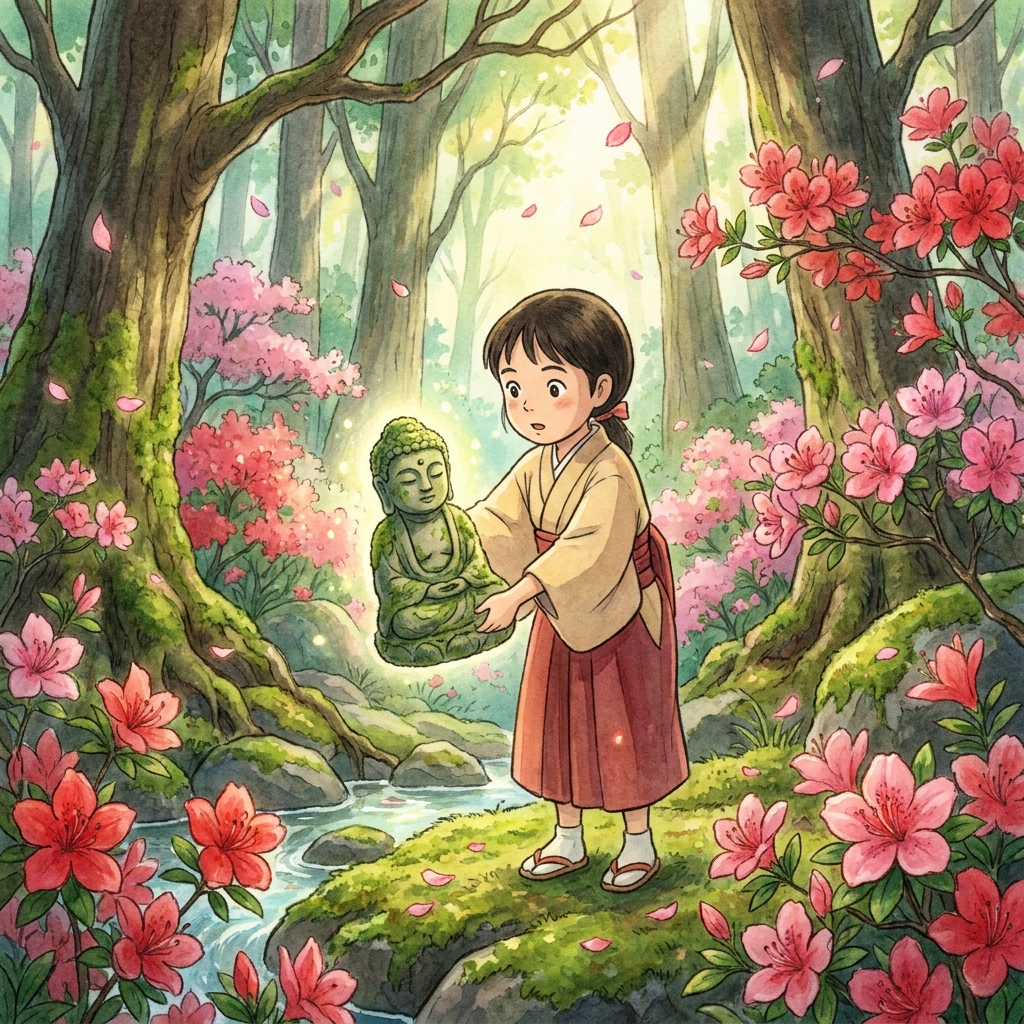
Ichinomiya Sengen Jinja (Ichinomiya Asama Jinja) is located in Ichikawamisato-cho, Yamanashi Prefecture. Generally, when people refer to “Kai no Kuni Ichinomiya” (the premier shrine of Kai Province), the Sengen Jinja in Fuefuki City is famous. However, an ancient jinja bearing the name “Ichinomiya” actually exists here in Ichikawamisato-cho. This time, we will delve into the mysteries hidden from the main stage of history, intriguing legends, and its connection to a popular anime.
Basic Information
Location: 3696 Takata, Ichikawamisato-cho, Nishiyatsushiro-gun, Yamanashi Prefecture
Enshrined kami: Konohanasakuyahime no Mikoto
Divine Blessings: Safe childbirth, fertility, family safety, bountiful harvests
Access: Approximately a 15-minute walk from Ichikawadaimon Station on the JR Minobu Line
1. The Historical Mystery Surrounding “The Two Ichinomiya”
The greatest mystery of this jinja lies in its name. There has long been debate over which Sengen Jinja, among the Myojin Taisha (Great Shrine of the Kami) recorded in the Engishiki Jinmyocho (Register of Shrines from the Engi Era) during the Heian period, was being referred to.
According to shrine tradition, its origins trace back to its founding by imperial command in 865, following a major eruption of Mount Fuji in 864. One theory suggests that this was the “original Ichinomiya,” or that it shared its influence equally with the Ichinomiya in Fuefuki City. This makes it a highly fascinating “Ronsha” (candidate shrine in a historical debate) for history enthusiasts.
2. The Mysterious Stone Buddha “Torobutsu-san” that Divines Wishes
Within the shrine grounds, there is a stone Buddha affectionately known by locals as “Torobutsu-san.”
There is an interesting legend associated with it: when you offer a coin and lift this sacred object while making a wish, it is said that “if it feels lighter than expected, your wish will be granted; if it feels heavier, its fulfillment will be difficult.” When you visit, be sure to give it a try and engage with your own intuition.
3. The Mystery of “Seishi” – Enshrining Living Humans as Kami
Within the grounds of this jinja, a “seishi” (shrine for living kami) is enshrined, which is rare nationwide. A seishi refers to a shrine built to deify (enshrine as kami) a person of great achievement while they are still alive.
At Ichinomiya Sengen Jinja in Ichikawamisato-cho, three individuals—Arai Kiyobee Akimichi, Yoda Juzaemon Yasuchiyo, and Ban Akikichi—who dedicated themselves to local irrigation projects and the development of the village, are enshrined. The fact that they were revered as kami while still alive, rather than after their deaths, speaks volumes about the immense trust placed in them by the local residents at the time, and the unique form of worship at this jinja.
4. The Uniquely Shaped “Temizuya” and the Mystery of Life
Many Sengen jinja enshrine Konohanasakuyahime, the goddess of Mount Fuji, and therefore feature designs symbolizing femininity and the birth of life throughout their grounds.
The temizuya (water purification pavilion) at this jinja also has a very unique shape and has long been deeply connected with beliefs in conception and safe childbirth. We encourage you to see its shape for yourself when you visit to understand what it represents. You will surely feel a sense of reverence for life, a characteristic unique to Sengen jinja in the Kofu Basin.
5. A Sacred Site for the Anime “Heya Camp△”
Ichikawamisato-cho serves as the setting for “Journey’s End” (Episode 11) of “Heya Camp△,” the short anime version of “Yuru Camp△” (Laid-Back Camp), which sparked a camping boom.
In the anime, members of the Outdoor Activities Club visit local spots such as “Kurumiya” (a traditional sweets shop), “Chuo Park,” and “Mitama no Yu,” known for its open-air baths with stunning views. Ichinomiya Sengen Jinja is located very close to this area, which is dotted with these anime pilgrimage sites, allowing visitors to enjoy a peaceful and beautiful townscape that perfectly captures the anime’s atmosphere while visiting the shrine.
6. The Spectacular “Tsutsuji” that Adorn the Shrine Grounds
As a lesser-known fact, this jinja is also a renowned spot for tsutsuji (azaleas). Every year in early May, numerous azaleas bloom in vibrant pink hues, encircling the brightly vermilion-lacquered Romon (tower gate) and Haiden (worship hall).
The striking contrast between the profound history and the delicate beauty of the flowers is breathtaking, making it a hidden photo spot that is guaranteed to be picturesque.
Ichinomiya Sengen Jinja is a quiet shrine where no priests are permanently stationed, but pre-written goshuin (red seal stamps) are sometimes available at the Haiden. It is a power spot brimming with mysterious charm, where a grand historical background—built to appease the eruptions of Mount Fuji—coexists with a heartwarming familiarity, like the beloved “Torobutsu-san” cherished by local residents.