 By ando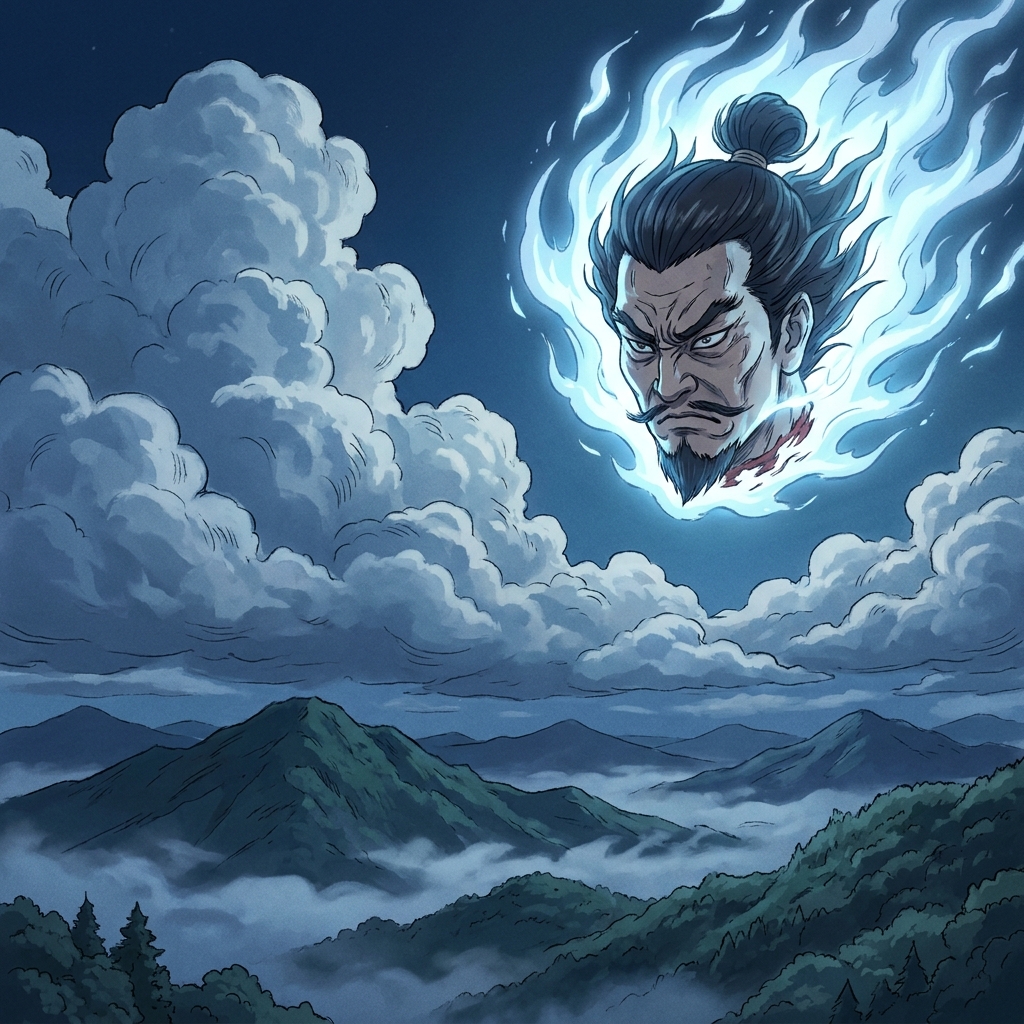
Kanda Jinja, commonly known as Kanda Myojin, is located in Sotokanda, Chiyoda Ward, Tokyo. With a history spanning nearly 1300 years, this jinja is known as the protector of Edo (old Tokyo) and famously where Tokugawa Ieyasu prayed for victory in the decisive Battle of Sekigahara. Today, it sits at the border of Tokyo’s business district and Akihabara, the electric town, making it a rare spot where tradition and modern culture merge, bustling daily with many worshippers.
Basic Information
Official Name: Kanda Jinja
Enshrined kami:
Ichinomiya: Onamuchi-no-mikoto (also known as Daikoku-sama), the kami of matchmaking and good relationships.
Ninomiya: Sukunahikona-no-mikoto (also known as Ebisu-sama), the kami of business prosperity.
Sannomiya: Taira-no-Masakado-no-mikoto (also known as Masakado-sama), the kami for protection against disaster and misfortune.
Location: 2-16-2 Sotokanda, Chiyoda Ward, Tokyo
Legends and Mysteries: From Feared Vengeful Spirit to Guardian Deity
Central to the story of Kanda Myojin is the presence of Taira-no-Masakado-no-mikoto, enshrined in Sannomiya. In the Heian period, Masakado led a rebellion in the Kanto region, declaring himself ‘New Emperor.’ He is famously associated with the legend of the ‘Kubi-zuka’ (mound of his head), which claims his severed head flew from Kyoto all the way to Edo (near present-day Otemachi, Chiyoda Ward) after his death.
Once feared as one of Japan’s three great vengeful spirits, Masakado is now revered at Kanda Myojin as a powerful guardian deity protecting the city of Edo. However, mysteries surrounding him continue to be told to this day.
1. The ‘Taboo’ with Naritasan Shinsho-ji Temple
Because prayers were offered at Naritasan Shinsho-ji Temple in Chiba Prefecture to suppress Masakado, those who revere him and the parishioners (ujiko) of Kanda Myojin still maintain the custom of ‘not visiting Naritasan.’ It is believed that if one visits Naritasan, the divine protection of Lord Masakado will be lost.
2. ‘Masakado’s Curse’ Continuing into Modern Times
Around Masakado’s Kubi-zuka in Otemachi, after World War II, when the Ministry of Finance (then) attempted to construct a temporary office, and during subsequent building constructions in the vicinity, suspicious incidents occurred one after another, including the deaths of involved personnel. These events were feared as ‘Masakado’s Curse,’ and even today, the Kubi-zuka remains quietly, yet strictly, protected amidst the cluster of modern buildings. Kanda Myojin has deep ties to this Kubi-zuka, and even modern business people visit the shrine with reverence, believing that ‘disrespect will hinder their work.’
Behind the Scenes: IT Deity and ‘Kachi-mamori’ Victory Charms
Reflecting its location in Akihabara, Kanda Myojin is also famous for offering ‘IT protection’ amulets (omamori). These amulets, designed like circuit boards, are immensely popular among system engineers and IT company executives.
Furthermore, because Tokugawa Ieyasu achieved victory in the Battle of Sekigahara on the day of Kanda Myojin’s festival, the shrine is also known as a kami of good fortune in competitions. Many students preparing for exams and athletes visit in search of a ‘kachi-mamori’ (victory charm) for crucial moments.
Anime Pilgrimage: The Stage for ‘Love Live!’
Kanda Myojin is also globally famous as a pilgrimage site (seichi) for the hugely popular anime ‘Love Live!’ series. It is depicted in the anime as the jinja where character Nozomi Tojo assists as a miko, making it an essential pilgrimage spot for fans.
Myojin Otoko-zaka: The steep stairs that the members run up for training are one of the most famous ‘seichi’ (sacred spots) among fans.
Collaboration Ema: Official anime ema (votive tablets) are sold within the grounds, and the sight of high-quality illustrations (ita-ema) drawn by fans lining up is a modern spectacle unique to Kanda Myojin.
It also frequently appears in other works set in Akihabara, such as ‘STEINS;GATE,’ and its embracing attitude towards subculture, despite being a traditional jinja, attracts many young people.
Highlights for Your Visit
The shrine grounds are full of highlights, including Japan’s largest stone statue of Daikoku-sama and the resplendent Zuijin-mon gate, gleaming with phoenixes. Additionally, at the ‘EDOCCO’ cultural exchange facility, which opened in 2018, visitors can not only learn about the jinja’s history but also enjoy a stylish cafe and gift shop.
Kanda Myojin, encompassing Edo’s history, Masakado’s mysteries, and the latest anime culture, is a power spot brimming with energy that you absolutely must visit when in Tokyo.
Related Links / References
No sources available.