 By ando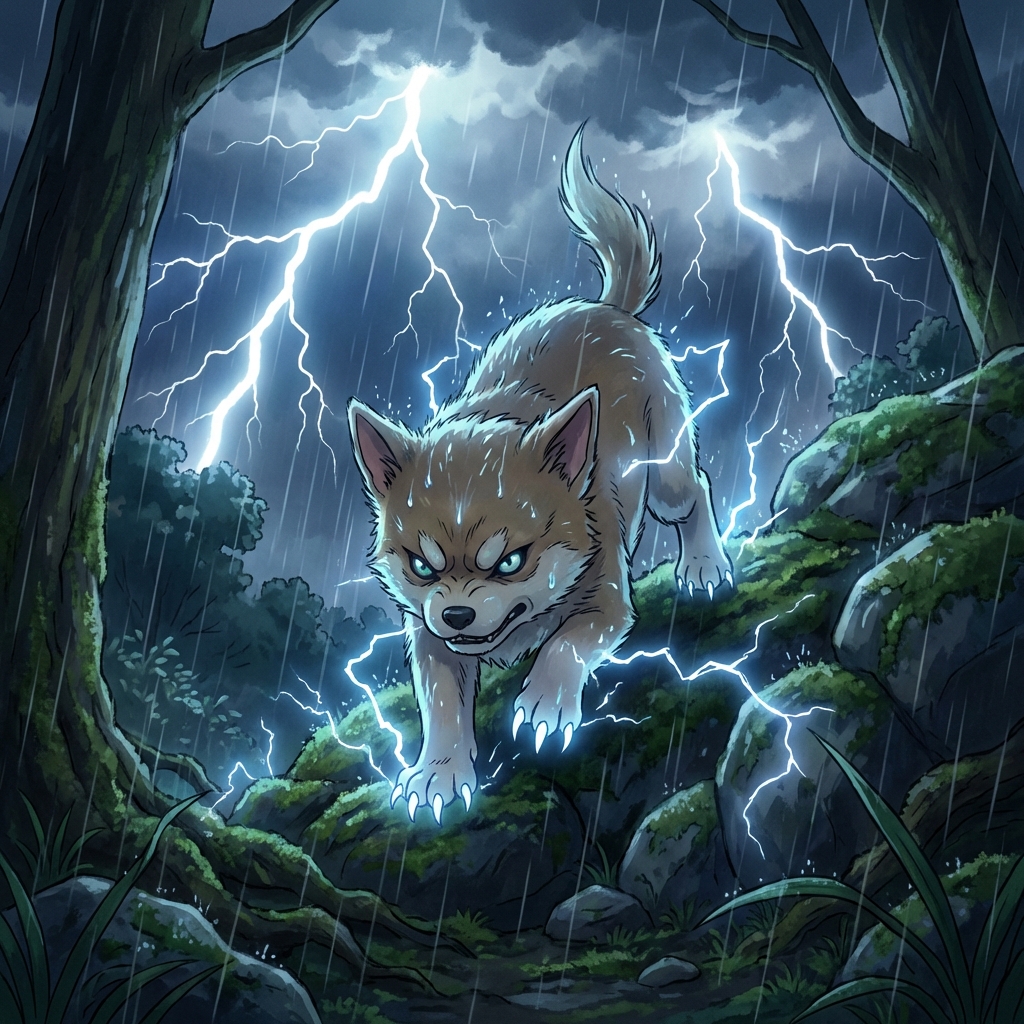
Nestled quietly yet powerfully in the temple town of Zenkoji Temple in Nagano City, Nagano Prefecture, stands Takei Jinja (takei-jinja). It is counted as one of the “Zenkoji Shichisha” (Seven Shrines of Zenkoji) that surround Zenkoji Temple, and has been revered as the local ujigami (guardian deity) of this area since ancient times. In this article, we will introduce lesser-known episodes and legends of Takei Jinja that are sure to captivate history buffs and mystery enthusiasts alike.
Basic Information about Takei Jinja
Location: 188 Higashimon-cho, Oaza-Nagano, Nagano City, Nagano Prefecture
Enshrined Kami: Takeminakata-no-mikoto (takeminakata-no-mikoto)
History: While the exact founding date is unknown, one theory suggests it began with the invitation of the kami from Suwa Taisha. It has had a deep connection with Zenkoji Temple for centuries, serving as a jinja protecting Zenkoji’s “northwest.”
Sanada Nobuyuki also revered it! Deep ties with the Sanada family
Indispensable when talking about Takei Jinja is its connection with Sanada Nobuyuki, the first lord of the Matsushiro Domain.
When Nobuyuki entered Matsushiro, he highly regarded Takei Jinja as a primary protective shrine of the Matsushiro Domain. Even today, the “Rokumonsen” (Six Mon Coins), the family crest of the Sanada clan, can be seen on the main hall, conveying how much the Sanada family cherished this jinja.
In fact, the main hall of Takei Jinja has suffered from fires numerous times during the Edo period, but each time it was rebuilt by the Sanada family and the people of the temple town. The current main hall also stands upon this accumulation of history.
The “Raiju” (Thunder Beast) Descent Legend that Shook the Edo Period
Takei Jinja holds a mysterious legend hidden in the annals of history: the legend of the “Raiju.”
Records indicate that in Meiwa 8 (1771) during the Edo period, a “Raiju” (Thunder Beast) fell within the grounds of Takei Jinja during a fierce thunderstorm. According to historical documents of the time, its appearance was described as “like a puppy, possessing sharp claws, and a terrifying countenance.”
There is also a story that this Raiju was captured and taken to Edo as a spectacle. For the people of that time, the Raiju was not just a fantasy but a real object of terror. Takei Jinja, therefore, was also a place where one could feel a connection to another world.
The Only One in Zenkoji Temple Town! The Reason for the Onbashira Festival
When speaking of the “Onbashira Matsuri” (Festival of the Sacred Pillars) in Nagano Prefecture, Suwa Taisha is famous. However, Takei Jinja also holds a grand Onbashira Matsuri once every seven years (by traditional count).
Among the Zenkoji Shichisha, Takei Jinja is unique in constructing and pulling such large sacred pillars. This stems from the fact that its enshrined kami, Takeminakata-no-mikoto, is the same as that of Suwa Taisha.
The sight of giant pillars moving through the narrow streets of the temple town, accompanied by energetic shouts, is truly awe-inspiring. Here, you can witness a truly rare spectacle where Suwa culture and Zenkoji temple town culture merge.
The Mystery Hidden in the Origin of the Name “Takei”
There are various theories regarding the origin of the jinja’s name, “Takei.”
One theory suggests it is a combination of “Take” from the enshrined kami, Takeminakata-no-mikoto, and “i” (井), meaning a clear “well” that once sprang forth in this area.
This area was once abundant in water and was an important place for Zenkoji pilgrims to quench their thirst. Even today, in the tranquil atmosphere of the jinja grounds, one can feel the vestiges of its former role as a kami of water and the land.
Points for Worship: Focus on the Hidden “Carvings”
When you visit the main hall, be sure to carefully observe the carvings beneath the eaves. There, alongside traditional motifs like dragons and lions, shines a somewhat humorous and elaborate craftsmanship. These are also the crystallization of the prayers of people at that time, who wished for recovery from fires.
When visiting Zenkoji Temple, why not extend your journey slightly to Takei Jinja? Reflect on the history of the Sanada family, feel the mystery of the Raiju legend, and offer your prayers to the guardian kami of the temple town.
Related Links / References
No sources available.