 By ando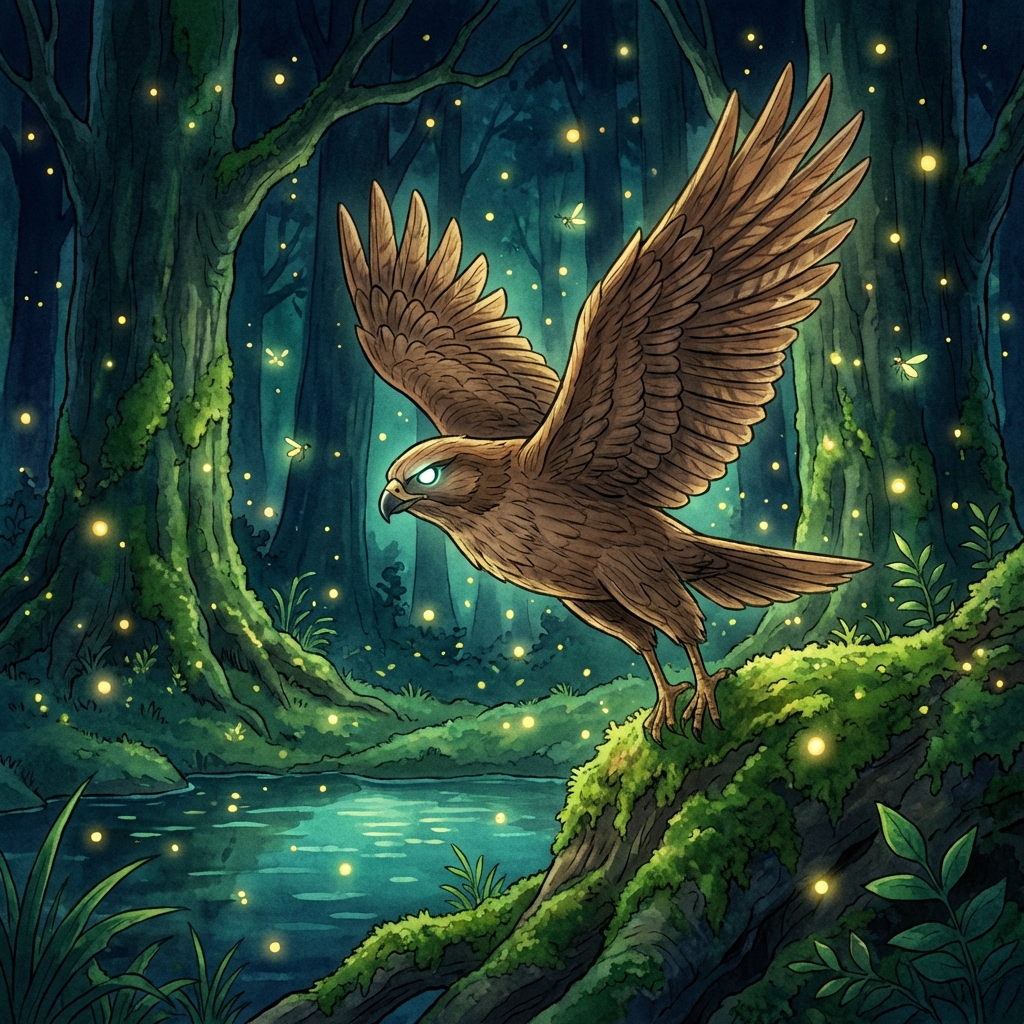
Nestled in a tranquil forest at the foot of Mount Hisamatsu in Tottori City, Tottori Prefecture, stands an ancient jinja once known as Ochidani Jinja (pronounced Ohgaya Jinja, now Tottori Toshogu). While it is one of the Toshogu shrines dedicated to Tokugawa Ieyasu, it is also a hidden spiritual power spot, enveloped in the deep greenery and mystical atmosphere characteristic of the San’in region.
Basic Information
Name: Tottori Toshogu (formerly Ochidani Jinja)
Location: 87 Uemachi, Tottori City, Tottori Prefecture (within Ochidani Park)
Enshrined Kami: Tokugawa Ieyasu (Tosho Daigongen), Ikeda Mitsunaka (First Lord of Tottori Domain), and others
Cultural Assets: The Honden (main sanctuary), Karamon (Chinese gate), Haiden (hall of worship), and Heiden (offering hall) are designated as National Important Cultural Properties.
History and Origins: The ‘Toshogu of Inaba’ Built by Ieyasu’s Great-Grandson
This jinja was founded in Keian 3 (1650) by Ikeda Mitsunaka, the first lord of the Tottori Domain. Mitsunaka, who was Tokugawa Ieyasu’s great-grandson, invited a bunrei (a divided spirit) from Nikko Toshogu to enshrine his great ancestor Ieyasu, thereby also asserting his own authority.
During the Meiji era, it was renamed Ochidani Jinja, but in 2011, its original name, Tottori Toshogu, was restored. Locally, it is still affectionately known as ‘Ochidani-san’.
Legends and Mysteries: Hidari Jingoro’s ‘Hawk’ and the Lost Masterpiece
1. The ‘Hawk’ Carving by Hidari Jingoro
Above the main sanctuary’s entrance is a carving of a hawk, said to be the work of the legendary carpenter Hidari Jingoro. Jingoro is famous for his ‘Sleeping Cat’ at Nikko Toshogu, but a similar legend surrounds this hawk at Ochidani Jinja: ‘It is so exquisitely crafted that its soul awakens and it moves about every night’. Its piercing gaze seems to watch over visitors even today.
2. Kano Tan’yu and the ‘Tan’yu Well’
The jinja is also known for enshrining votive paintings of the ‘Thirty-six Immortal Poets’ by Kano Tan’yu, the official painter for the Edo Shogunate. Within the grounds is a spot called ‘Tan’yu Well’, and anecdotes are passed down that Tan’yu used its water to paint, or that he favored this well during his visits here.
3. The Origin of the Name ‘Ouchi’
‘Ouchi’ (read as ochi or ouchi) is an archaic name for the Japanese bead-tree (melia azedarach). The valley was once called Ochidani (read as Ojidani or Ouchidani) because many Japanese bead-trees grew wild here. Bearing the name of a plant that appears in ancient texts like the Kojiki and Man’yoshu, this place name speaks to the valley’s long history as a sacred site.
Anime Pilgrimage: A Setting for ‘Free! -Eternal Summer-‘
Ochidani Jinja and the surrounding Ochidani Park are also famous as a ‘pilgrimage site’ for the popular swimming anime ‘Free! -Eternal Summer-‘ (Season 2).
In Episode 12, the jinja appears in a scene where protagonists Haruka Nanase and his rival Rin Matsuoka walk through Tottori City before departing for Australia. The jinja’s long stone-paved approach (sando), the atmospheric Zuijinmon (guardian gate), and the tranquil park scenery are faithfully depicted, drawing many fans who seek to experience ‘the scenery Haruka and Rin saw’. The stairs surrounded by trees and the rows of stone lanterns, in particular, evoke the very atmosphere of a scene from the anime.
Highlights and Behind-the-Scenes Facts
Omiya Pond, located behind the jinja, was once a vital water source for Tottori Castle town. In early summer, the area around this pond transforms into a famous spot for fireflies. It is a nationally rare location where three types of fireflies (Genji, Heike, and Hime fireflies) can be seen simultaneously, and the swarms of lights dancing in the night darkness truly evoke the mystery of a sacred realm.
Furthermore, this jinja miraculously escaped disasters like the 1943 Tottori Earthquake and the 1952 Tottori Great Fire, preserving its valuable architectural style from the time of its founding. Why not try to feel the powerful energy that has overcome the turbulent waves of history, as you search for the ‘Aoi-no-mon’ (hollyhock crest) carved into its stately Gongen-zukuri style shrine buildings?
Related Links and References