 By ando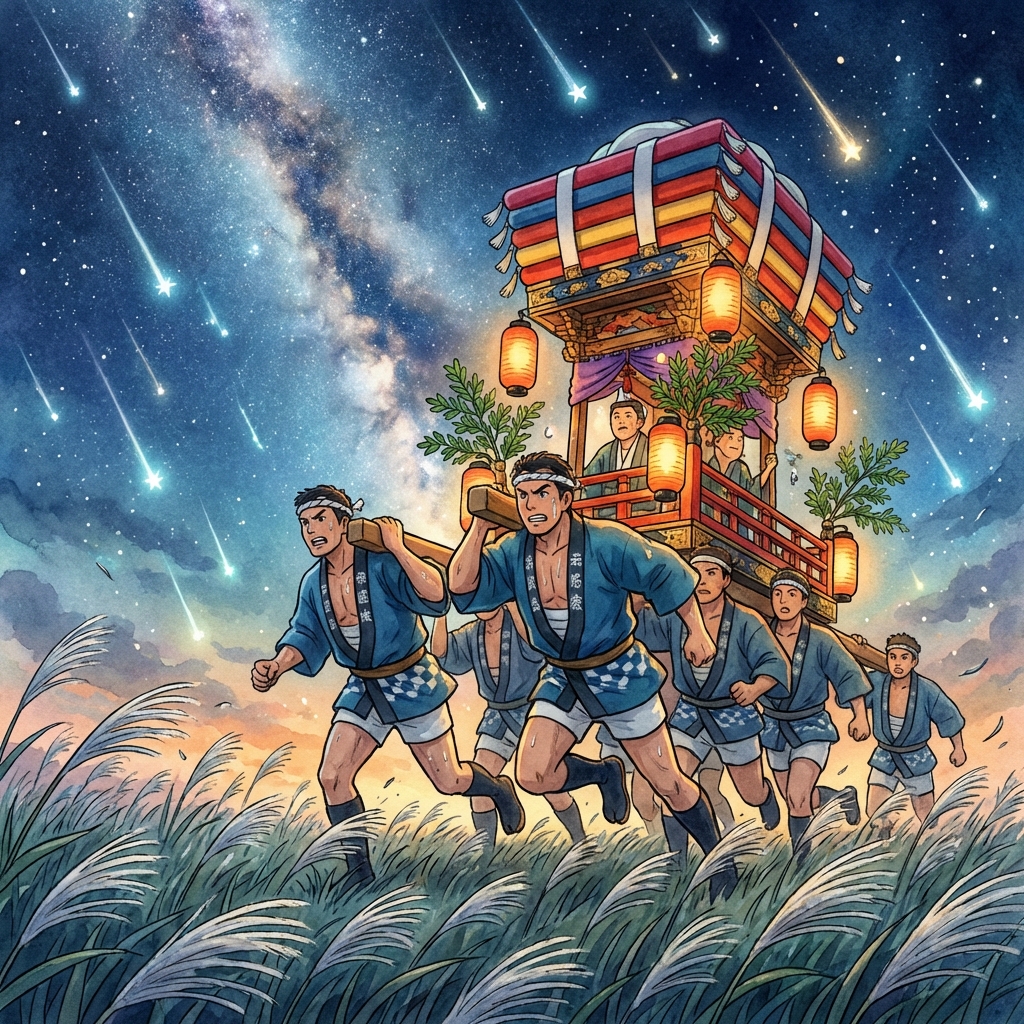
Basic Information
Name: Ashibetsu Jinja
Location: 1-6 Kita 3-jo Nishi 1-chome, Ashibetsu City, Hokkaido
Enshrined Kami: Amaterasu Omikami
Founded: Meiji 29 (1896)
Access: Approximately 5 minutes walk from Ashibetsu Station on the JR Nemuro Main Line
A “Symbol of Development” that watched over the prosperity of coal mining
Ashibetsu City, located almost in the center of Hokkaido, was once a “coal mining town” that supported Japan’s energy industry. The history of Ashibetsu Jinja is deeply intertwined with the development of this land. It began in Meiji 29 (1896) when pioneers who had migrated from places like Toyama Prefecture built a small shrine as their spiritual anchor.
Initially, two settler groups, “Asayama Dantai” and “Daini Sawaguchi Dantai,” held their festivals in separate locations. However, the following year, in Meiji 30, they held discussions to “move forward together as one community,” leading to the erection of the main shrine building (shaden) at the current site. This episode of “merger” conveys the enduring bonds of the ancestors who joined hands to overcome the harsh natural environment.
Japan’s Only Officially Recognized! The “Kenka Yamakasa” Dancing in the Northern Land
When discussing Ashibetsu Jinja, the “Kenka Yamakasa” (けんかやまかさ) is an unmissable topic. It is the main event of the “Ashibetsu Kenka Matsuri” held every July.
This is no ordinary festival. It is a venerable Yamakasa, formally recognized by the Hakata Gion Yamakasa Promotion Association in Fukuoka as Japan’s only “Northern Yamakasa.”
It all started in Showa 60 (1985) when local volunteers, deeply moved by the Hakata Yamakasa, decided, “Let’s bring this passion to Ashibetsu too!” They received direct instruction from Hakata, faithfully inheriting the authentic tradition, from the proper way to wear the happi coat to the method of carrying the float (kakikata). Before the festival, the float bearers (kakite) visit Ashibetsu Jinja, where a Shinto ritual is performed in which branches of ichii (also known as onko) wood, bestowed by the Shinto priest (shinkan), are offered to the Yamakasa. The sight of this quiet northern town transforming into a scene of Hakata-like fervor on this day is truly breathtaking.
Mysteries and Behind-the-Scenes Stories of the “Village Where Stars Fall”
Ashibetsu City proudly declares itself “Hoshi no Furu Sato” (Village Where Stars Fall) and is renowned for its stunning night sky. At night, the grounds of Ashibetsu Jinja are enveloped in a serene silence, untouched by city lights, creating a mystical atmosphere as if the stars themselves are guarding the sacred precinct (shin’iki).
There’s also a small “behind-the-scenes story” related to the shrine’s name. While it is often written as “Ashibetsu Jinja” in official documents and maps, its formal shrine name is “蘆別神社.” The character “蘆” (ashi) is said to derive from the “ashi” (reeds) that once grew abundantly in this area, embodying a commitment to remember the original landscape before its development.
Furthermore, the original sacred object (goshintai) at its founding was a “Gojiku” (hanging scroll) from Ise Jingu. In Meiji 45 (1912), a new divided spirit (go-bunrei) was formally received from Ise Jingu and enshrined. The fact that it directly inherits the divine wind (kamikaze) of Ise, despite being located in the northern lands, may also contribute to its popularity as a power spot.
Highlights of the Grounds: Inari Jinja and Mizu Jinja
Behind the main hall (haiden) is Ashibetsu Inari Jinja, marked by a continuous row of red torii gates. As the kami of business prosperity, it attracted fervent devotion from former coal mine owners and merchants. Also situated on the grounds is Ashibetsu Mizu Jinja (Water Shrine), a poignant reminder of the pioneering era when water resources were precious.
The history of coal mining, the traditions of Hakata, and a sky full of stars. Ashibetsu Jinja is a truly unique shrine in Hokkaido, brimming with energy where numerous intriguing connections intersect. When you visit Ashibetsu, be sure to experience its profound history and the spirit of the “Northern Yamakasa.”
Related Links / References