
 By ando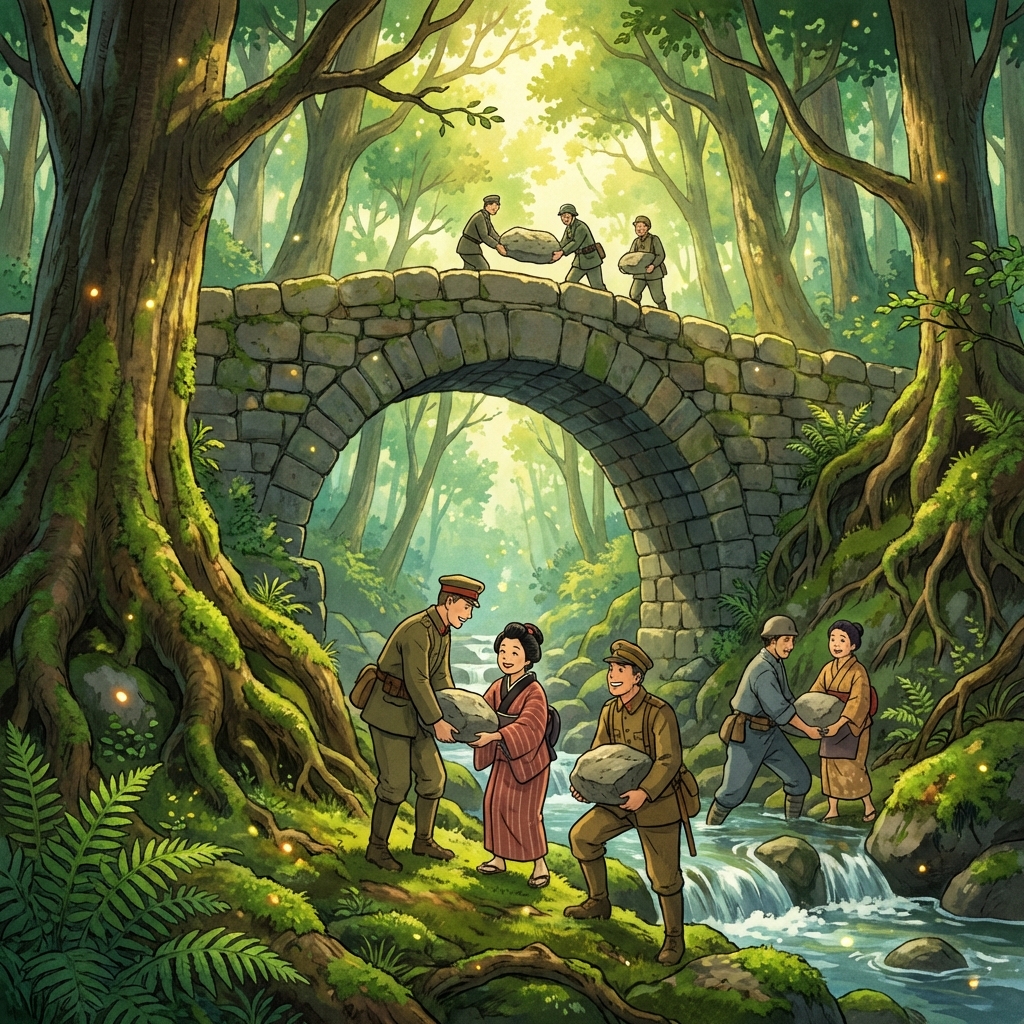
Oasahiko jinja (O-asahiko jinja), located in Naruto City, Tokushima Prefecture, is the Ichinomiya (chief shrine) of the former Awa Province, and has been affectionately known as “Owasasan” since ancient times. Within its expansive grounds, a mystical history stretching back to ancient times coexists with heartwarming episodes born during the turbulent era of World War I.
This article delves into the legends and untold stories hidden within this jinja, along with essential pilgrimage site information for anime fans.
Basic Information
– Location: 13 Hirotsuka, Bando, Oasa-cho, Naruto City, Tokushima Prefecture
– Enshrined Kami: Oasahiko no Okami, Sarutahiko no Okami
– Divine Blessings: Protection from misfortune, warding off evil, traffic safety, business prosperity
—
1. Ancient Mystery: The Awa Imbe Clan and the Legend of “Asa” (Hemp)
The “Oasa” (hemp) in the jinja’s name originates from the ‘asa’ (hemp) planted by the ancient Awa Imbe clan (Awa Imbe-shi), who were pioneers in this region.
According to legend, during the era of Emperor Jimmu, Amenotomi no Mikoto (Amenotomi-no-Mikoto), the ancestor of the Imbe clan, came to Awa Province. He cultivated hemp (asa) and paper mulberry (kozo), laying the foundation for local industries. Oasahiko jinja was then enshrined as their guardian kami.
[Untold Story] Deep Ties to the Imperial Family
The Awa Imbe clan is a lineage that has, for generations, prepared and presented the aratae, a hemp textile offered during the Daijosai (Great Thanksgiving Festival), an important enthronement ritual for the Emperor. This tradition continues to this day, making Oasahiko jinja a highly prestigious place where one can experience the very roots of Japanese religious rituals.
2. A Moving Episode: The “Bridge of Friendship” Left by German Soldiers
As you venture further into the grounds, you will find the stone arch bridges “Doitsu-bashi” (German Bridge) and “Megane-bashi” (Spectacles Bridge), which are rare for Japanese jinja. There is a heartwarming untold story behind them, dating back to World War I.
At that time, a prisoner-of-war camp called Bando Furyo Shuyosho (Bando POW Camp) was located near the jinja, housing approximately 1,000 German soldiers. However, the camp treated its prisoners humanely, and interactions with local residents were frequent.
The German soldiers, as a token of gratitude to the local people who had welcomed them warmly, utilizing the most advanced civil engineering techniques of the time, built these stone bridges.
[Fun Fact] First Performance Site of Beethoven’s Ninth Symphony
This Bando POW Camp is also famous as the place where Beethoven’s Symphony No. 9 (Daika) was performed in its entirety for the first time in Japan. When you visit the jinja, take a moment to imagine the scenery that the German soldiers of that era would have seen.
3. Overwhelming Vitality: The 1,000-Year-Old Camphor Tree
The sacred camphor tree (Okusu) that towers beside the Haiden (worship hall) is said to be over 1,000 years old. Its trunk measures approximately 8.3 meters in circumference, and its overwhelming presence truly makes it a power spot.
This camphor tree is also said to be home to Sarutahiko no Okami, one of the jinja’s enshrined kami, and many visitors come to share in its vitality.
4. Anime Pilgrimage Information: The Stage of the Anime ‘Ohenro.’
Oasahiko jinja appears in “Ohenro.: Hachijuhachi Ayumi,” an anime produced by ufotable, an anime studio based in Tokushima Prefecture.
This work is a travel anime themed around the Shikoku Pilgrimage and beautifully depicts real-life landscapes. Because Oasahiko jinja is located very close to Ryozenji Temple, the first temple of the Shikoku Pilgrimage, it was introduced as an important spot for praying for safety on the pilgrimage journey.
Furthermore, while Naruto City is known to fans as the origin of the anime title “NARUTO” and the protagonist’s favorite food, ‘narutomaki’ (a type of fish cake), this jinja itself, backed by the sacred peak of Mt. Oasa (Oasa-yama), has the atmosphere of a place for spiritual training, and one can feel a solemnity that resonates with the world of the anime.
—
Oasahiko jinja is a place where many layers of stories have accumulated, from ancient myths to modern international exchange.
When you visit Tokushima, be sure to step into this “forest of friendship and tradition” and feel its profound history for yourself.
Related Links / References