 By ando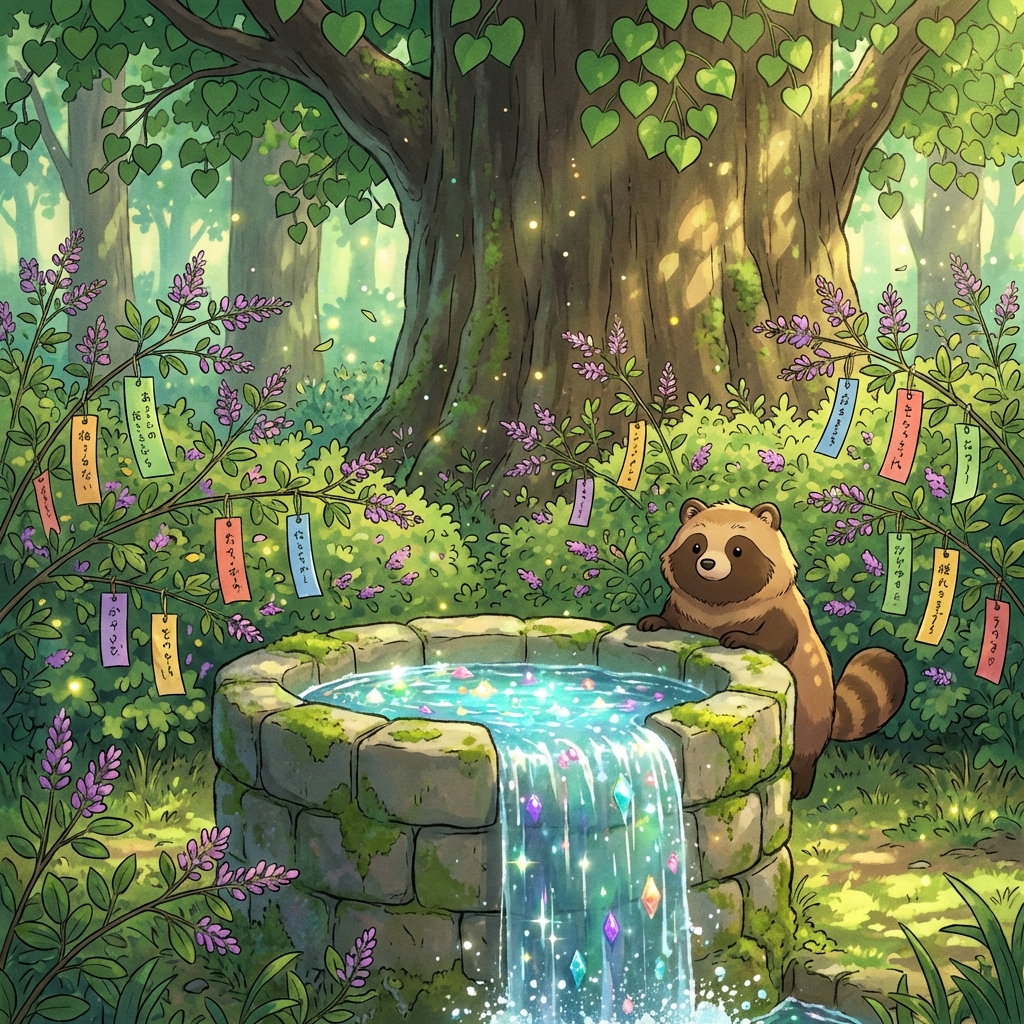
Quietly nestled on Teramachi Street, just east of the Kyoto Gyoen Imperial Park, stands Nashinoki jinja (Nashinoki Shrine). While it is known as ‘Hagi no Miya’ (Shrine of Bush Clover) for its elegant scenery, it is actually a spot filled with intriguing stories, including ‘an incident’ that once rocked Kyoto’s Shinto community and a miraculous spring that has flowed for over a thousand years.
This time, we will delve into the charms of Nashinoki jinja, a place that captivates everyone from history buffs to anime fans.
Basic Information
Location: 680 Somedono-cho, Hirokoji-agaru, Teramachi-dori, Kamigyo-ku, Kyoto City, Kyoto Prefecture
Enshrined Kami: Sanjo Sanetsumu-ko, Sanjo Sanetomi-ko
Main Divine Blessings: Academic success, fulfillment of wishes, matchmaking/finding love
Access: Kyoto City Bus: Approximately 3 minutes walk from ‘Furitsu Ika Daigaku Byoin-mae’ (Kyoto Prefectural University of Medicine Hospital) stop. Keihan Railway: Approximately 15 minutes walk from ‘Demachiyanagi Station’ or ‘Jingumaramachi Station’.
—
1. Kyoto’s Three Famous Waters: The Sole Survivor, “Somenoi no Mizu”
Essential to any discussion of Nashinoki jinja is the “Somenoi no Mizu” (Somenoi Water) that springs forth from the chozuya (purification font).
Kyoto was once home to the “Three Famous Waters of Kyoto”: Samegai, Agatai, and Somenoi. Today, only Nashinoki jinja’s Somenoi continues to flow without ceasing.
This location was once the site of Somedono, the imperial villa of Fujiwara no Yoshifusa’s daughter Akiko (mother of Emperor Seiwa), and legend has it that this water was used for dyeing fabrics in the imperial court. Even today, people line up with plastic containers to collect this famous water. Its mellow, sweet taste makes it perfect for tea and coffee. There is also a coffee shop within the grounds, “Coffee Base NASHINOKI,” where you can easily enjoy this celebrated water.
2. A Shocking Backstory: The Mystery of the Apartment Building Looming Over the Sando Path
The biggest surprise for visitors to Nashinoki jinja likely comes right after passing through the first torii gate: a luxury apartment building stands in the middle of the sando (shrine approach).
This was a desperate measure decided upon in 2013 to raise funds for the repair of the aging main hall (shaden). The shrine leased part of its grounds on a 60-year fixed-term land lease, using the rent to cover the renovation costs.
The plan caused significant ripples within the Shinto community at the time. Unable to obtain approval from the Association of Shinto Shrines (Jinja Honcho), Nashinoki jinja took the unprecedented step of withdrawing from the association and becoming an ‘independent jinja’ (tanritsu jinja). While the contract states that the land will be returned vacant after 60 years, the sight of modern buildings lined up directly behind the torii can be seen as a mystery that speaks to the severe challenges of managing shrines in contemporary times.
3. Hagi no Miya: Where 500 Bush Clover Plants Bloom in Abundance
As its alternative name, ‘Hagi no Miya’ (Shrine of Bush Clover), suggests, approximately 500 bush clover plants are cultivated within the shrine grounds. During the ‘Hagi Matsuri’ (Bush Clover Festival) held annually from mid to late September, numerous haiku poems are tied to the bush clover branches, creating a remarkably elegant scene as they sway in the wind.
Also a must-see is the katsura tree within the grounds, known as the ‘Tree of Love’. Because its leaves are heart-shaped, it’s considered a hidden power spot where touching it while praying is said to grant wishes or bring blessings for matchmaking and finding love.
4. A Holy Site for Pilgrimage: The Setting of the Anime “The Eccentric Family”
Nashinoki jinja is also known as a holy site for “The Eccentric Family,” a popular anime set in Kyoto.
The shrine appears as the Shimogamo family of tanuki (raccoon dogs) brothers races through the streets of Kyoto. In particular, scenes where they come to draw the famous “Somenoi no Mizu” and the tranquil atmosphere of the shrine grounds are faithfully recreated, making it an indispensable pilgrimage spot for fans.
—
A historic famous water, beautiful bush clover, and coexistence with a modern apartment building.
Nashinoki jinja is a truly unique shrine in Kyoto, embodying an “offensive stance” in its efforts to preserve tradition. On your next visit to the Imperial Palace (Kyoto Gyoen), be sure to experience this wondrous space.
Related Links and References
[1] 梨木神社 マンション完成: 京都を歩くアルバム http://kyoto-albumwalking2.cocolog-nifty.com/blog/2015/05/post-67d7.html
[2] 梨木神社 https://www.fujingaho.jp/culture/a75774/nashinokijinja/
[3] 伝統の継承と維持!梨木神社 | 京まちなか散歩道 https://kyoto-sampomichi.com/nashinoki/
[4] 梨木神社(萩の宮) | 京都観光情報 KYOTOdesign https://kyoto-design.jp/spot/2813
[5] https://ws-i-zen.jp/column/column-5263/
[6] 梨木神社 https://www.nashinoki.jp/
[7] 京の名水めぐり http://www.kyoto-meguri.com/sp/meisui15.html
[8] えっ ! 神社が消えた|上野峰喜 https://mbp-japan.com/ishikawa/kanazawa-ts/column/5034529/
[9] 梨木神社のご神木は愛の木だから縁結びのご利益あり!学業成就も | 京都ご利益.com https://kyoto-goriyaku.com/spot/nashinoki-jinja/
[10] 染井の水 京都通百科事典 https://www.kyototuu.jp/Sightseeing/GoodWaterSomeinoMizu.html
[11] 京の三名水:京都ぶらり歩き https://kyobura.web.fc2.com/530sanmeisui/meisui.html
[12] 梨木神社のマンション騒動の顛末 | 京都案内人のブログ https://ameblo.jp/2633ganko-jiji/entry-12066374531.html
[13] 文化史14 京の名水 https://www2.city.kyoto.lg.jp/somu/rekishi/fm/nenpyou/htmlsheet/bunka14.html