
 By ando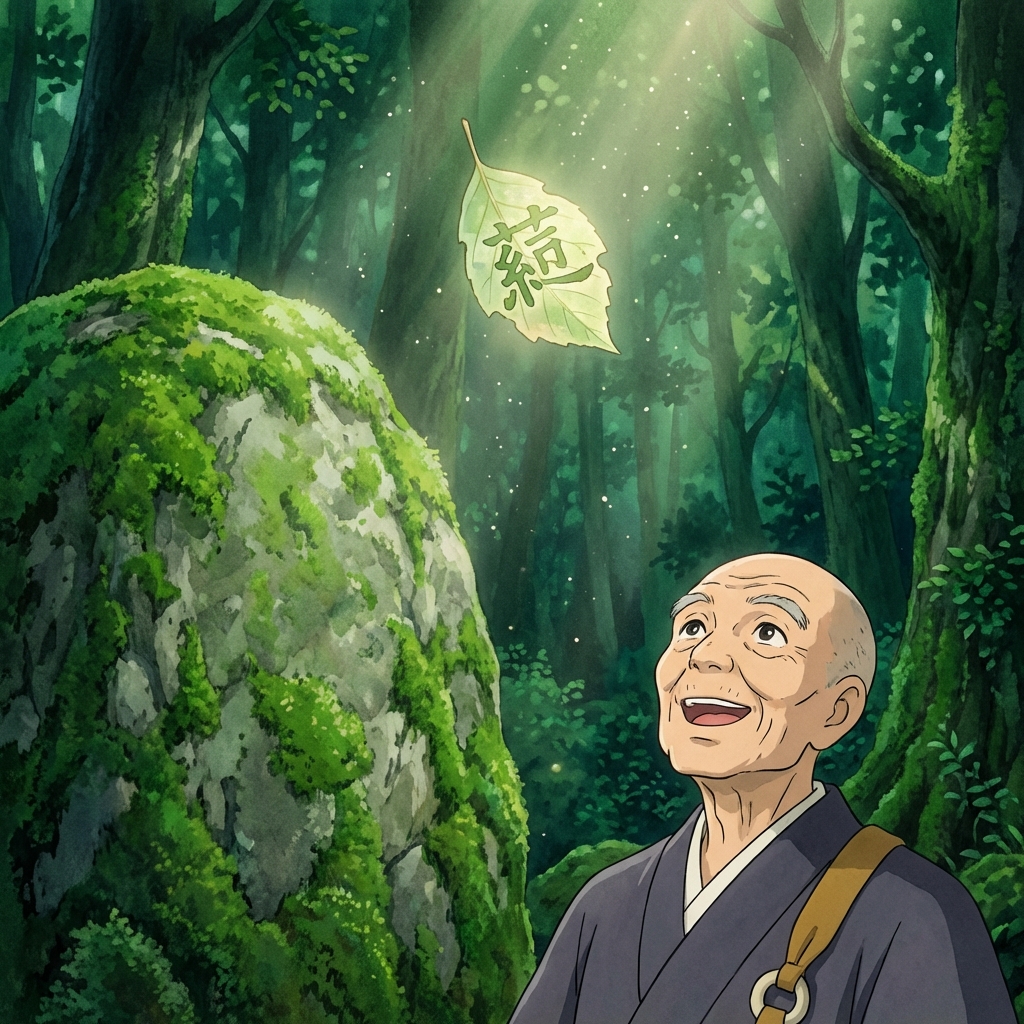
Taga Taisha jinja, located in Taga-cho, Shiga Prefecture, has been affectionately known as ‘O-Taga-san’ for centuries. As the most visited shrine in the prefecture, this grand shrine holds countless surprising anecdotes not found in textbooks, and unexpected roots hidden in our daily lives.
As a shrine and temple tour blogger, I will thoroughly explain the profound charms of Taga Taisha.
Basic Information
Deities enshrined: Izanagi-no-Okami, Izanami-no-Okami
Blessings: Longevity, matchmaking, warding off evil
Location: 604 Taga, Taga-cho, Inukami-gun, Shiga Prefecture
—
1. The Surprising Status: ‘Parent of Ise Jingu’
When speaking of Taga Taisha, its deep connection with Ise Jingu is indispensable.
There is a popular folk song from the Edo period that includes this line: “If you visit Ise, visit Taga as well, for Ise is a child of Taga.”
Amaterasu Omikami, the deity enshrined at Ise Jingu, is considered a “child” born from the divine couple Izanagi and Izanami, who are enshrined at Taga Taisha. This means Taga Taisha is where the “parents of the kami” are enshrined. The idea is that it would be incomplete to only visit the child (Ise) while overlooking the parents. This belief in “parent-child pilgrimage” became the reason why many worshippers visit Taga Taisha from all over Japan.
2. Is the Origin of ‘Otamajakushi’ at Taga Taisha?!
The cooking ladle we commonly use, ‘otama’ (or ‘otamajakushi’), and the tadpole, ‘otamajakushi’, are said to have originated from Taga Taisha. This theory is widely accepted.
There is a legend that in the Nara period, when Empress Gensho fell ill, a Shinto priest from Taga Taisha cooked steamed rice using a ‘shakushi’ (ladle) made from a shide tree and offered it to the Empress. Her illness was said to have been cured immediately.
This auspicious ladle became famous as ‘O-Taga Shakushi,’ and eventually evolved into ‘otamajakushi’. It is also said that tadpoles are called ‘otamajakushi’ because their shape resembles this ladle.
3. The Mystery of the ‘Jumyo-ishi’ (Lifespan Stone) that Extended a Life by 20 Years
Within the shrine grounds, the ‘Jumyo-ishi’ (Lifespan Stone) holds a mysterious legend related to Chogen, a monk from the Kamakura period.
When tasked with the great undertaking of rebuilding Todai-ji Temple, Chogen was already 61 years old. Fearing his life would end, he prayed at Ise Jingu. Then, Amaterasu Omikami appeared in his dream and gave him an oracle: “If you wish to extend your life, go to Taga.”
When Chogen visited Taga Taisha, a kashiwa (oak) leaf with insect bite marks fluttered down before him. Upon closer inspection, the marks looked like the character ‘en’. This was interpreted as a combination of ‘niju’ (twenty) and ‘en’ (meaning ‘extend’), and it is said that he was miraculously granted an additional 20 years of life, allowing him to complete Todai-ji Temple.
Even today, people continue to pray for longevity before this stone.
4. Toyotomi Hideyoshi’s Deep Devotion and the ‘Taiko-bashi’ Bridge
Toyotomi Hideyoshi, the unifier of Japan during the Sengoku period, was also a deep believer in Taga Taisha.
Wishing for his mother Omasa-dokoro’s recovery from illness, Hideyoshi sent a heartfelt prayer, asking for her life to be extended by “three years, or if not, two years, or at least 30 days,” and dedicated 10,000 koku of rice.
Built with his donation, the stone arched bridge ‘Taiko-bashi’ stands at the entrance to the shrine grounds. Known for its steep incline, it is said that crossing this bridge helps ward off misfortune.
5. Anime Pilgrimage: The World of ‘The Eccentric Family 2’
Taga Taisha is also known as a pilgrimage site for the popular anime ‘The Eccentric Family 2’.
In episodes like ‘The European Path’ (Episode 3), the main character Yasaburo and others visit Taga Taisha. Within the anime, the giant monument of ‘O-Taga Shakushi’, a symbol of Taga Taisha, and its beautiful shrine buildings are wonderfully reproduced.
The fantasy world where tanuki (raccoon dogs) roam and the atmosphere of the historic grand shrine blend perfectly, creating a sight that attracts not only fans but any visitor.
6. The Story Behind ‘Itokiri Mochi’, a Famous Local Sweet
After your visit, a must-try is ‘Itokiri Mochi’, sold in the monzen-machi (shrine town).
This confection, featuring white mochi (rice cake) with three blue and red lines, actually dates back to the Mongol Invasions (Genko).
It began when people, praying for peace, cut mochi shaped like Mongol army flags with a bowstring (thread) and offered them to the kami. Cutting with thread instead of a blade embodies the meaning of ‘cutting off evil’.
—
Taga Taisha is not merely a power spot; it is a place of rich density where the origins of words, turning points in history, and even modern anime culture intersect.
When you visit Shiga, be sure to pay your respects to the ‘Parent Kami’!