
 By ando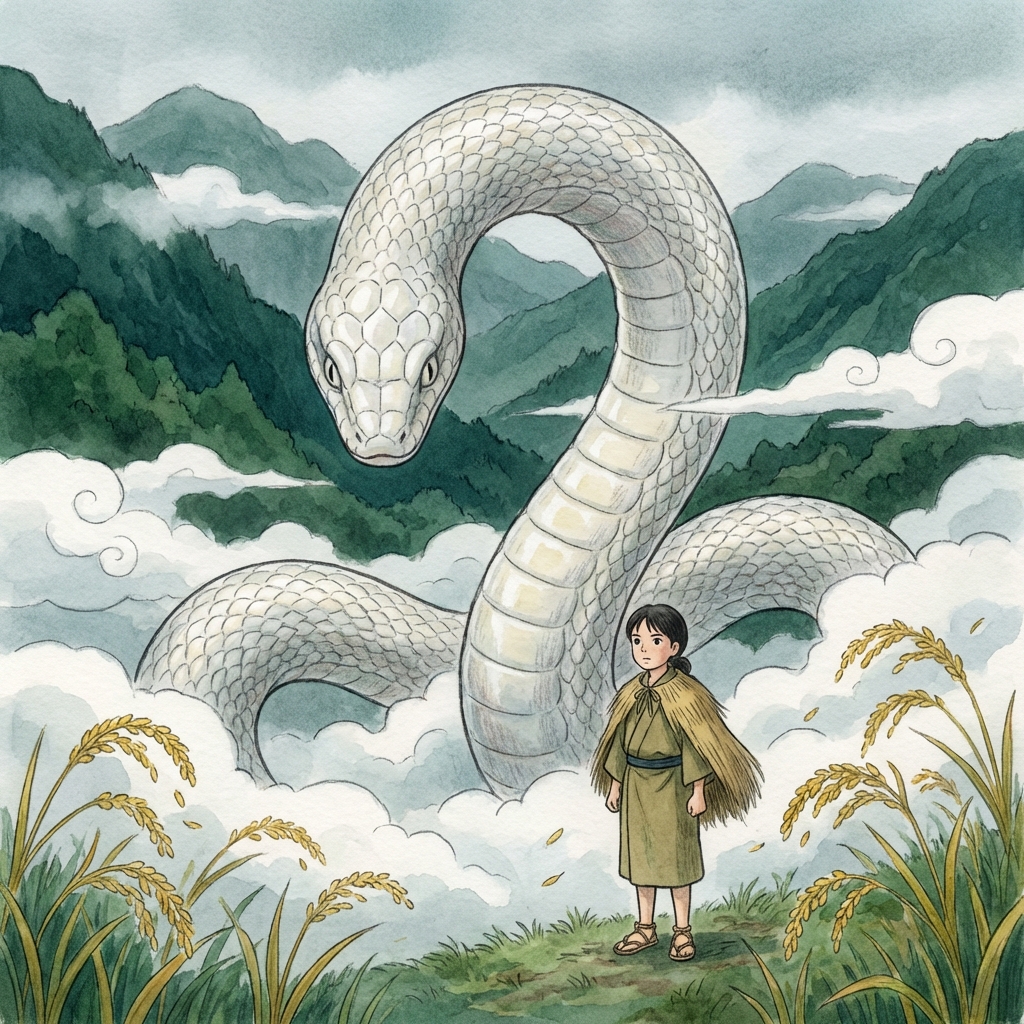
Basic Information
Location: 1-1 Kojyo, Takaoka City, Toyama Prefecture (within Takaoka Kojyo Park)
Enshrined kami: Ninigi-no-Mikoto (previously “Futagami-no-kami”)
Main blessings: Matchmaking, bountiful harvests, business prosperity, opening new paths/guidance
Shrine ranking: Echizen Province Ichinomiya, Myojin Taisha, Beppyo Jinja
The Mystery of an Ichinomiya Enshrined on “Castle Ruins” – Is it the Only One in Japan?
Imizu Jinja is an Ichinomiya shrine uniquely enshrined on “castle ruins” (specifically, the former main keep site of Takaoka Castle), which is very rare in Japan. However, it was not always located here.
Originally, it was an ancient jinja that revered Mt. Futagami (Futagami-yama), soaring to the northwest of Takaoka City, as its shintaizan (sacred mountain). So why did it specifically relocate to the castle ruins during the Meiji era?
Behind this move lay the turbulent historical wave of “Shinbutsu-bunri” (the separation of Shinto and Buddhism) enforced by the Meiji government. At that time, Imizu Jinja on Mt. Futagami had strong Buddhist influences. The government’s desire for purification, coupled with the aim to make the jinja a regional symbol by relocating it to the center of Takaoka, led to its transfer to the current location in 1875 (Meiji 8).
In fact, shrine buildings remain at the original location as “Futagami Imizu Jinja,” and the relocation was a drama steeped in historical destiny, to the extent that enthusiasts still debate “which is the true Ichinomiya.”
A Frightening Backstory: The Legend of “Aku-Oji” Who Demanded Human Sacrifice
Tracing back the history of Imizu Jinja reveals a terrifying legend associated with Mt. Futagami.
It is said that an “evil kami” once resided on Mt. Futagami, tormenting the people. This evil kami demanded that daughters aged 15 or older be offered as “hitomigoku” (human sacrifice) on a specific day each month, threatening a catastrophic crop failure if refused.
This desperate situation was resolved by Gyoki, a high-ranking monk from the Nara period. When Gyoki secluded himself in the mountain and continuously chanted the Lotus Sutra, the yokai (supernatural being) revealed itself as a giant serpent. It is said that Gyoki sealed this great serpent as “Aku-Oji” (Evil Prince) and appeased it by enshrining it as a kami.
Today, the special Shinto ritual called “Tsukiyama Gyoji” performed at Futagami Imizu Jinja is believed to have originated from the practice of offering rice instead of human sacrifice. Thus, behind the splendor of the festival, memories of past tragic sacrifices are etched.
Deep Connection with Manyo Poet Otomo no Yakamochi
Speaking of Takaoka, it is the land where Otomo no Yakamochi, known as the compiler of the “Manyoshu” anthology, served as a provincial governor. Yakamochi deeply cherished Mt. Futagami, and poems he composed about Imizu Jinja (Futagami-no-kami) still remain.
“White clouds hiding on Mt. Futagami, though I regret them…”
The divine appearance of the mountain he gazed upon is spiritually inherited by the current Imizu Jinja, even after its relocation.
Pilgrimage Information: The Setting for the Anime “I Want to Eat Your Pancreas”
Takaoka Kojyo Park, where Imizu Jinja is located, is known as an important setting for the animated film “I Want to Eat Your Pancreas.”
In particular, Asahi Bridge adjacent to the jinja and the walking paths within the park served as models for memorable scenes where the protagonist “Boku” and Sakura spent time, attracting many fans on “seichi junrei” (pilgrimages to sacred sites).
In spring, cherry blossoms in full bloom adorn the shrine grounds, allowing visitors to enjoy a dreamlike landscape true to the anime’s world.
Points for Visiting
The crest (shimon) of Imizu Jinja is “Mirrored Rice Ears.” This originates from the myth that Ninigi-no-Mikoto, the enshrined kami, brought rice ears to Earth during his descent from heaven.
The shrine grounds, surrounded by the rich nature of Takaoka Kojyo Park, possess a unique atmosphere that blends the historical tension of the Sengoku period with the serenity of a sacred space. Be sure to experience this unique opportunity to visit an Ichinomiya while gazing at the castle’s stone walls.
Related Links and References
[1] https://toide.blog.fc2.com/blog-entry-8.html Futagami Imizu Jinja (Takaoka City) – Prehistoric & Ancient Studies by Toyama Residents
[2] http://www.komainu.org/toyama/takaokasi/futagamiimizu/futagamiimizu.html Futagami Imizu Jinja
[3] https://ja.wikipedia.org/wiki/%E5%B0%84%E6%B0%B4%E7%A5%9E%E7%A4%BE Imizu Jinja – Wikipedia
[4] https://www.imizujinjya.or.jp/about About Imizu Jinja | Etchu Sochinju Ichinomiya Imizu Jinja
[5] https://kazmiwa.sakura.ne.jp/ichinomiya/051imizu-jinja/051-imizu.htm Etchu Ichinomiya 1 Imizu Jinja
[6] https://www.city.takaoka.toyama.jp/material/files/group/42/act4.pdf