 By ando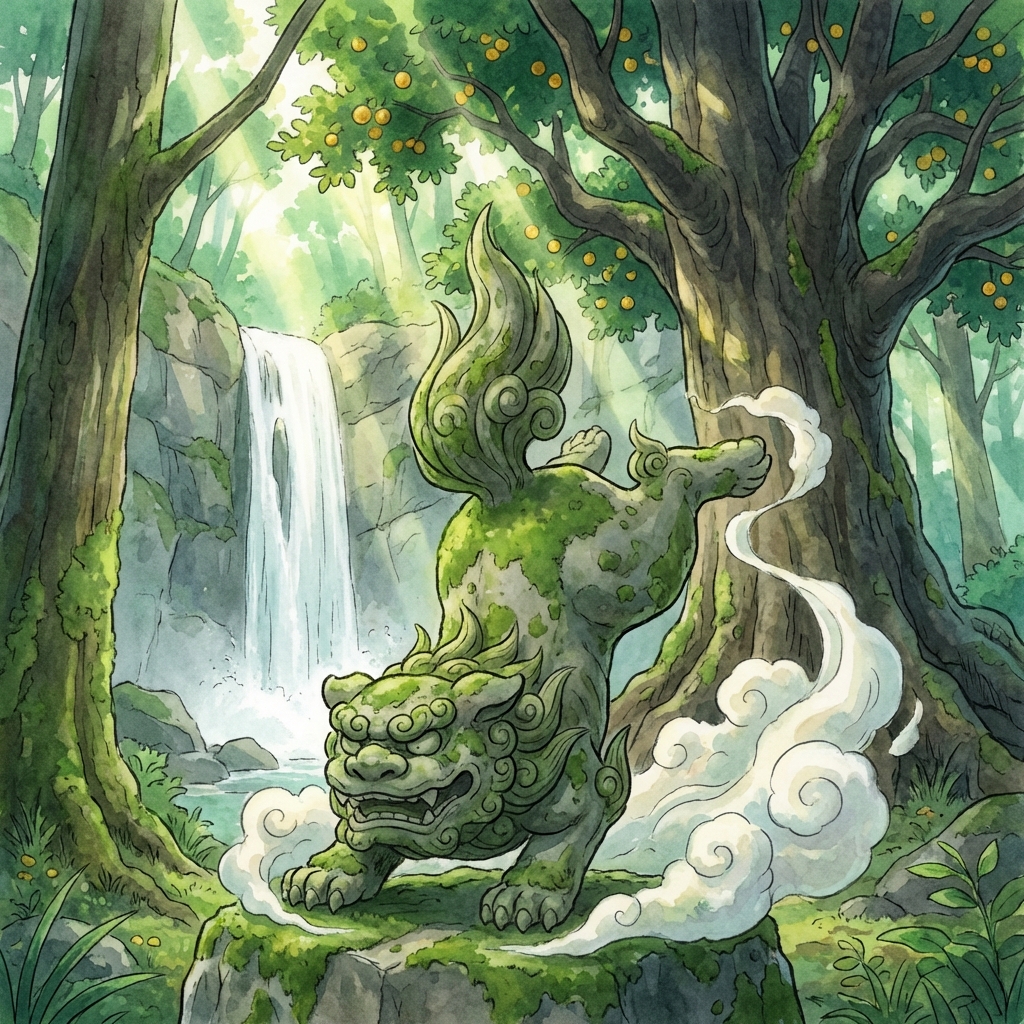
Inaba Jinja is located in the heart of Gifu City, Gifu Prefecture. Situated at the foot of Mount Kinka, it has long been cherished by the citizens as the primary guardian kami of Gifu, affectionately known as “Inabasan.” This article will delve into the little-known stories, mysterious power spots, and even anime pilgrimage information related to this ancient shrine, which boasts over 1900 years of history.
Basic Information about Inaba Jinja
Location: Gifu City, Gifu Prefecture, Inabadori 1-1
Enshrined Kami: Inishikiirihikonomikoto
Divine Blessings: Family safety, business prosperity, warding off evil, prevention of water disasters.
History: The shrine is said to have been founded in the 14th year of Emperor Keiko’s reign (84 AD). Originally enshrined near the summit of Mount Kinka (Inabayama), it is believed to have been moved to its current location by the Sengoku period warlord Saito Dosan when he built Inabayama Castle (later Gifu Castle).
Saito Dosan’s “Forced Relocation” and its Backstory
Indispensable to the history of Inaba Jinja is Saito Dosan, known for his rise to power during the Sengoku period. To transform Inabayama Castle into a formidable fortress, the shrine, originally situated on the mountaintop, was considered an obstruction and moved to its current site.
However, there is a backstory to this. For the people of that time, relocating a shrine was a terrifying prospect. Yet, Dosan put forth a grand justification: “We are welcoming the kami to a place where more people can easily pay their respects.” This episode, characteristic of the strategist Dosan, allowed him to gain public support while simultaneously strengthening the castle’s defenses.
A Mystery for Financial Luck? The Enigma of the Handstanding Komainu
Within the grounds of Inaba Jinja, one unusual sight that almost all visitors stop to admire is the rare “handstanding komainu” (lion-dog statues).
Situated beside the stone steps near the main gate, this komainu strikes a magnificent handstand pose with its hindquarters raised high. While there are various theories as to why it is in a handstand, it is believed to symbolize a rapid rise in fortune, as if it has the momentum to kick the clouds.
Rumors have spread, particularly about increased financial luck and winning lotteries, leading to a constant stream of worshippers rubbing the komainu’s feet.
Powerful Power Spots: The Kuroganemochi Tree and Jinryu Waterfall
The shrine grounds are dotted with powerful, lesser-known power spots.
1. Kuroganemochi Tree: The name “Kurogane-mochi” (black metal mochi) is a pun on “kuro ga naku kanemochi” (no hardships, wealthy), hence it is said to bring divine blessings for business prosperity.
2. Jinryu Waterfall: The waterfall located at the back of the grounds was once a place for ascetic training. The kami of water is enshrined here, making it a place of strong purification power, and it is quietly gaining attention among those with spiritual interests.
Anime Pilgrimage: “The Kawai Complex Guide to Manors and Hostel Behavior”
Inaba Jinja is also known as a pilgrimage site for the popular anime “The Kawai Complex Guide to Manors and Hostel Behavior.”
In the series, the distinctive grand torii gate, the long sando approach, and the aforementioned handstanding komainu are faithfully depicted in scenes where the protagonists visit for Hatsumode (first shrine visit of the New Year) and other occasions. For anime fans, it offers a special place to pay respects while immersing themselves in the world of the show. At the ema hanging area, you might even see “ita-ema” (decorated votive tablets) with anime characters drawn by fans.
Concluding Your Visit
Inaba Jinja is a solemn place filled with powerful energy, where the atmosphere seems to change the moment you step inside. Walking the long sando approach and looking up at the beautiful shrine buildings, you cannot help but feel the weight of its 1900 years of history.
When you visit Gifu, why not visit this ancient shrine that has weathered the storms of history and wish for a rise in your fortune at the handstanding komainu?
Related Links / References
No sources available.