 By ando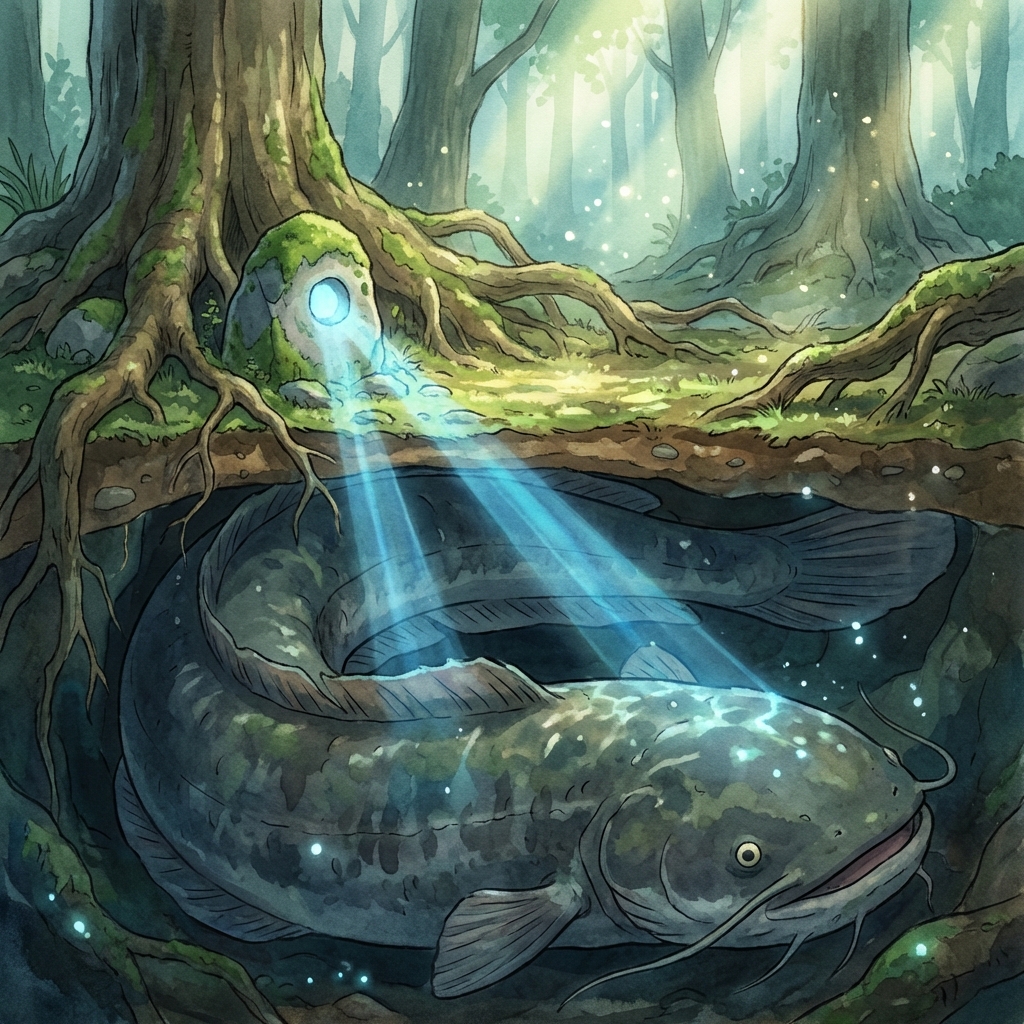
Basic Information
Location: 2306-1 Miyachu, Kashima City, Ibaraki Prefecture
Enshrined Kami: Takemikazuchi no Okami (Takemikazuchi-no-Okami)
Founded: Said to be in the first year of Emperor Jimmu’s reign (660 BC)
Status: Hitachi no Kuni Ichinomiya (First Jinja of Hitachi Province), Former Kanpei Taisha (Grand Imperial Jinja), Chokusai-sha (Jinja receiving Imperial Envoys)
Kashima Jingu is the head jinja for approximately 600 Kashima jinja across Japan, and a renowned jinja that forms one of the “Three Grand Shrines of the Eastern Provinces” alongside Katori Jingu in Chiba Prefecture and Ikisu Jinja in Kamisu City, Ibaraki Prefecture. It boasts an exceptionally high status; since the Heian period, only three jinja – Ise Jingu, Katori Jingu, and this Kashima Jingu – were permitted to bear the special title “Jingu.”
Legends and Mysteries: The Seven Wonders of Kashima
Ancient traditions known as the “Seven Wonders of Kashima” have been passed down at Kashima Jingu for centuries. Here, we introduce some of the most famous episodes among them.
The Kanameishi (Keystone) and Mito Komon’s Challenge
The “Kanameishi” (Keystone), located at the end of the Okusando (inner approach path), is a sacred stone believed to pin down the head of the “Oonamazu” (Giant Catfish) that causes earthquakes by thrashing underground. Although only a few tens of centimeters are visible above ground, it is said to be connected to a massive bedrock deep below.
A well-known anecdote from the Edo period, recorded in the “Komon Jintokuroku,” tells of Mito Mitsukuni (Lord Komon), a renowned ruler, who tried to uncover its true nature. He had laborers dig for seven days and seven nights, but no matter how much they dug, the hole would always be refilled by the next morning, and they never reached the bottom.
The Miracle of Mitarashi Pond
This pond, boasting over 400,000 liters of spring water daily, is associated with a mysterious legend: “No matter if an adult or a child enters, the water level never exceeds chest height.” Even today, many people enter the pond for rituals like the “Daikan Misogi” (Grand Cold Water Purification Ritual) at the beginning of the year. Combined with its mystical clarity, it remains a spot where one can feel a mysterious power.
Symbol of a Martial Kami: Japan’s Oldest and Largest Straight Sword
The national treasure Futsunomitama-no-Tsurugi, housed in the Treasure Hall (which may be temporarily closed for new building construction), is a massive straight sword measuring approximately 2.7 meters in length. It is believed to have been forged in the Nara period, and due to its immense size, it is said to have been “not for practical combat, but to demonstrate the kami’s divine power.” Its overwhelming presence makes it a treasure unique to Kashima Jingu, which enshrines a kami of martial arts.
Kami Messengers: Deer that Traveled to Nara
Many deer are raised in the “Deer Park” (Shikaen) within the jinja grounds. In fact, there is a legend that when Kasuga Taisha in Nara was founded, Kashima Jingu’s enshrined kami traveled to Nara riding a white deer. This means that the deer in Nara Park are said to have their roots right here in Kashima. Because of this connection, a deep exchange continues between Kashima and Nara to this day.
Anime and Game Pilgrimage Information
Given its historical background and character as a “martial kami,” Kashima Jingu has become a sacred site visited by many anime and game fans.
Kantai Collection -KanColle-
The ship shrine on board the training cruiser “Kashima” was established through a bunshi (divine enshrinement) from this Kashima Jingu. Therefore, many “Admirals” (fans) visit to offer prayers with affection for “Kashima.” The ema-kakejo (votive plaque hanging area) displays numerous ita-ema (decorated votive plaques) featuring characters.
Toji No Miko
In this work depicting battles of sword-wielding miko (shrine maidens), Kashima Jingu appears as an important background and setting model. As a place enshrining a kami of martial arts, it is deeply linked to the world view of the work, and pilgrimages by fans are thriving.
Noragami
The model for “Takemikazuchi,” the strongest martial kami appearing in the work, is none other than Kashima Jingu’s enshrined kami. It has become an essential worship spot for fans tracing the character’s roots.
Kashima Jingu, which pioneered the history of the Eastern Provinces and continues to protect Japan from earthquakes, will surely overwhelm you. Step inside, and you will be met by the tranquility of the inner approach path surrounded by ancient trees and the mystical atmosphere where numerous legends come alive.
Related Links and References
[1] The Mystery of Kashima Jingu’s Kanameishi http://www.rekishinosato.com/essayW_8.htm
[2] About Kashima Jingu | Kashima Jingu https://kashimajingu.jp/category/about/
[3] “Wa” Don’t forget, for earthquake protection, the Kanameishi – Kashima City Homepage https://city.kashima.ibaraki.jp/site/karuta/15653.html
[4] Kashima Jingu (Kashima Jingu) [TOMO] | Japanese-made specialty food and sundries gift and present online store – TOMO Genshin Official Store https://tomo.life/blogs/shinto-and-shrines/kashimajingu
[5] Kashima Jingu – Wikipedia https://ja.wikipedia.org/wiki/%E9%B9%BF%E5%B3%B6%E7%A5%9E%E5%AE%AE
[6] Kashima Jingu | Sekai Daihyakka Jiten | JapanKnowledge https://japanknowledge.com/introduction/keyword.html?i=603
[7] Kashima Jingu ~ Seven Wonders: The Answer is Not One! by Aoki Factory Manager http://hirohi.cocolog-nifty.com/hirohi1/2008/05/post_bce4.html
[8] ‘Toji No Miko’ Sacred Site Pilgrimage [Kashima Jingu] : ~Anime pilgrimage~ Kamakura Min Monogatari https://rica0867.livedoor.blog/archives/11039192.html
[9] Kashima Seven Wonders | Kashima Jingu – Jinja Fan https://jinjafan.jp/0801463/spots/667/
[10] Summer Trip 4 Kashima Jingu’s Seven Wonders: About the Kanameishi | Ouchi Cafe San-chan https://sanchancafe.therestaurant.jp/posts/55043418/
[11] Kanameishi – Kashima shika! https://kashimashika.jp/kanameishi/