
 By ando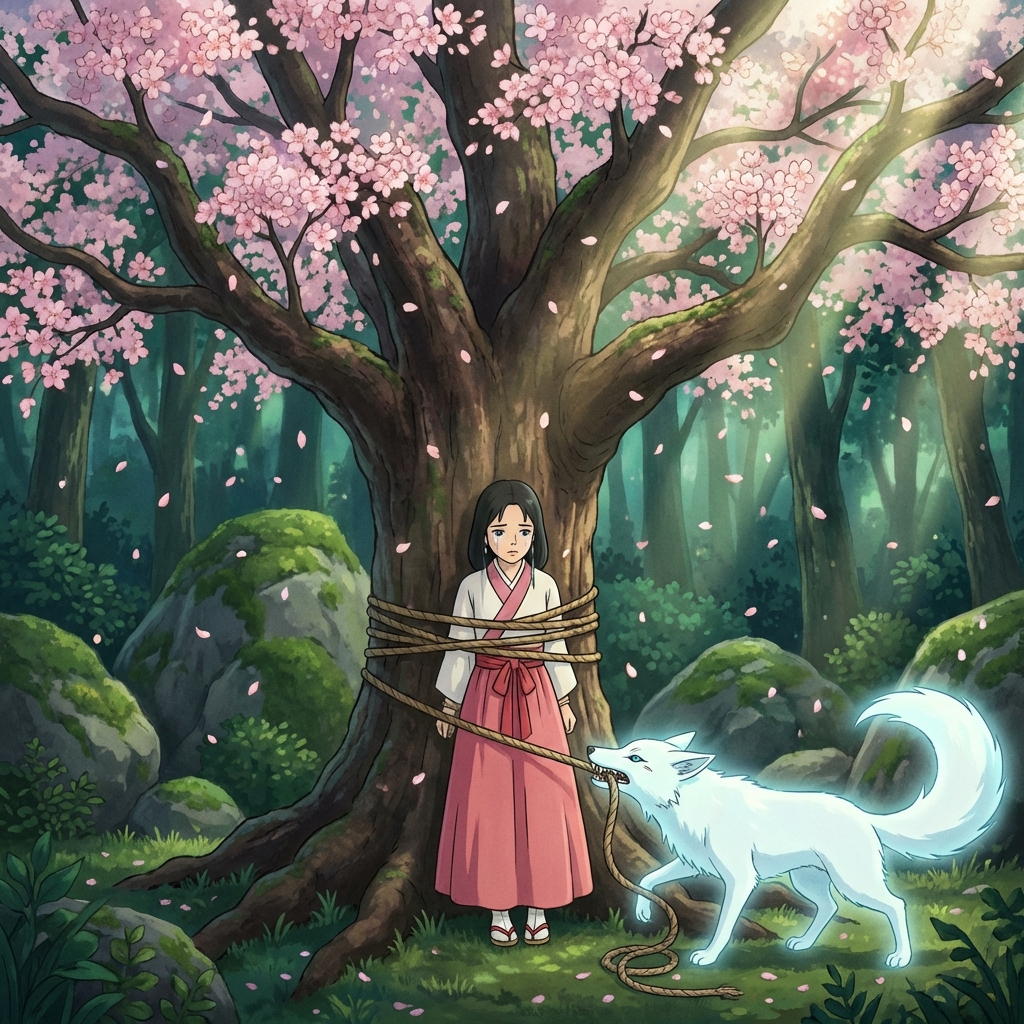
In the deep mountains of Misugi-cho, Tsu City, Mie Prefecture, was once the stronghold of the prestigious Kitabatake clan, who governed Ise Province for 240 years. Today, as Kitabatake Jinja, it enshrines heroes who lived through the tumultuous Nanboku-cho period. Not only a magnet for history buffs, this site has also recently garnered attention as a pilgrimage site for fans of a popular anime. We will introduce the charm of this place, interwoven with mysteries and legends.
Basic Information
Location: 1148 Kamitake, Misugi-cho, Tsu City, Mie Prefecture
Enshrined kami: Kitabatake Akinobu (first Governor of Ise Province), Kitabatake Chikafusa, Kitabatake Akie
Highlights: Nationally Designated Place of Scenic Beauty “Kitabatake Clan Residence Garden Ruins”, Kiriyama Castle Ruins, Yuki-hime Legend Cherry Tree
One of Japan’s Three Great Warrior Gardens: Kitabatake Clan Residence Garden Ruins
Upon stepping into the jinja grounds, the first thing that captures the eye is the “Kitabatake Clan Residence Garden Ruins”. Said to have been designed by Hosokawa Takakuni, Kanrei (deputy shogun) of the Muromachi shogunate, it is counted as one of “Japan’s Three Great Warrior Gardens,” alongside the Ichijodani Asakura Family Gardens in Fukui and the Former Shurinji Temple Garden in Shiga.
The impressive aspect of this garden lies in its “boldness”. The massive stones arranged around the pond seem to symbolize the might of a warrior. Meanwhile, the profound moss covering the entire surface and the fiery autumn leaves create a silence that evokes the past glory and the aesthetic of transience.
The “Flower General” Kitabatake Akie and the Pilgrimage Site for the Anime ‘Nigejozu no Wakagimi’
One of the reasons for the recent surge in young visitors to this jinja is the popular manga and anime, ‘Nigejozu no Wakagimi’ (The Young Lord Who is Good at Escaping).
Kitabatake Akie, depicted in the work as a commander with overwhelming charisma, beauty, and strength, is one of the enshrined kami at this jinja. Before his death in battle at just 21 years old, he was known as the “legendary beautiful young general” who twice drove Ashikaga Takauji back to Kyushu.
Within the jinja grounds stands a bronze statue of Akie-ko (Lord Akie), allowing visitors to admire his dignified figure. For anime fans, it has become one of the premier pilgrimage sites where they can feel the atmosphere of the era in which he lived.
The Tragedy of Princess Yuki (Yuki-hime) and the Mystery of the White Fox
At Kitabatake Jinja, a poignant and mysterious “Yuki-hime (Princess Yuki) Legend” is passed down.
During the Sengoku period, when Oda Nobunaga’s forces attacked, Kitabatake Tomonori’s daughter, Yuki-hime, was captured and tied to a cherry tree within the jinja grounds. It is said that as she wept and prayed, thinking of her father, a “white fox” appeared from nowhere, bit through her ropes, and rescued her.
The “Yuki-hime Cherry Tree,” named after this legend, still stands within the jinja grounds and is even featured in the design of goshuincho (stamp books for shrines and temples). The mystery of whether this white fox was a spiritual guardian protecting the Kitabatake clan is still told today.
Impregnable Kiriyama Castle and the Story Behind Kometuki-yama
On the 560-meter-high peak behind the jinja stood Kiriyama Castle, a defensive fallback castle.
An interesting episode remains about this castle, concerning how they deceived their enemies. During a siege, to prevent the enemy from realizing their water shortage, a legend says they poured “rice” over the backs of their horses, making distant enemies believe they were washing their horses with water. Because of this, the nearby mountain is also called “Kometuki-yama” (Rice-Pounding Mountain).
In reality, this area was a natural fortress, surrounded by steep mountains, despite being a crucial transport hub connecting Ise and Yamato. Unraveling the strategic mystery of why the Kitabatake clan established their base so deep in the mountains is also a great pleasure of visiting.
Advice for Visitors
Misugi-cho, where Kitabatake Jinja is located, is a secluded area surrounded by beautiful cedar forests, as its name suggests (Misugi means ‘beautiful cedar’). Access may not be easy, but once you step inside, you will be enveloped in a sacred atmosphere that makes you forget the hustle and bustle of city life.
The garden’s beauty is particularly striking during the fresh green season and the autumn foliage season. Why not take a leisurely stroll through the jinja grounds, contemplating the dreams of the Kitabatake clan that vanished in the turbulent currents of history?
Related Links / References