
 By ando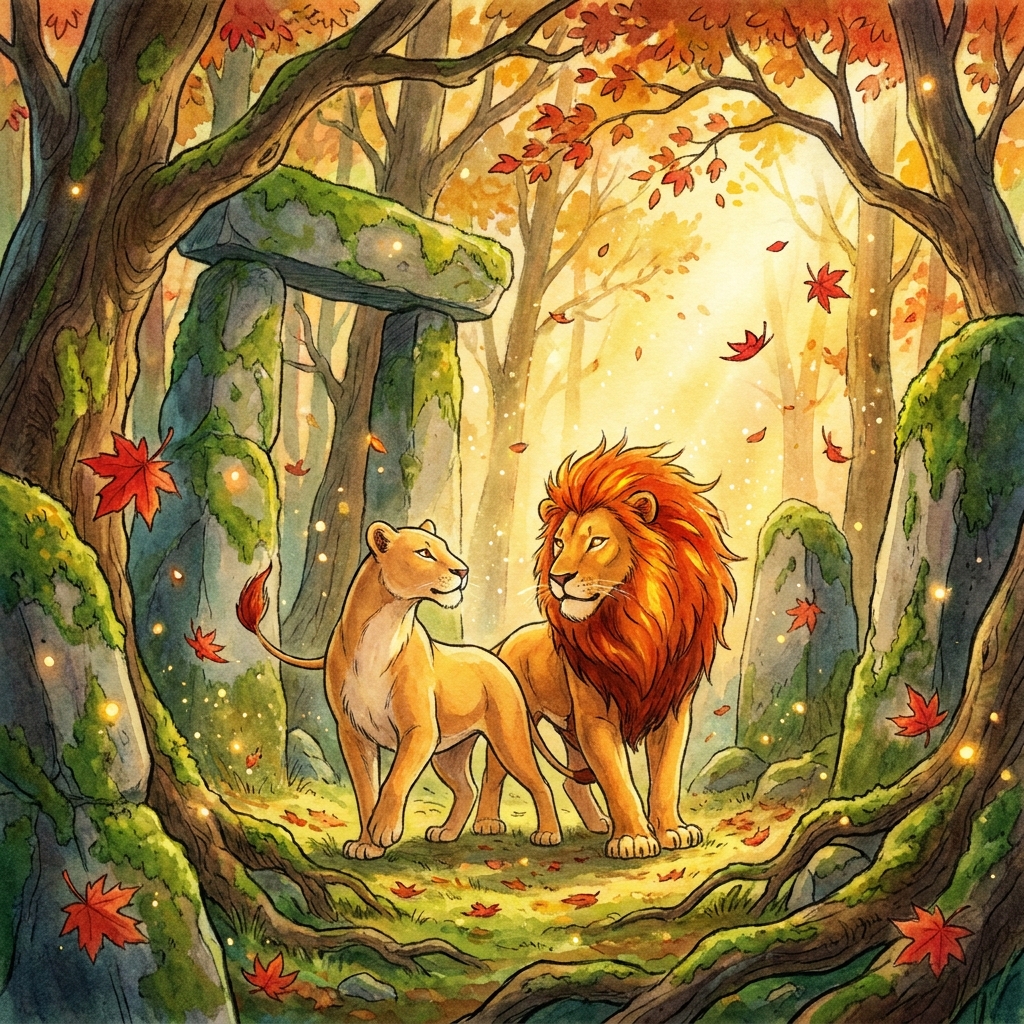
Hikawa Town in Yatsushiro District, Kumamoto Prefecture. In this land, once a thriving post town on the Satsuma Kaido road, stands Miyamabaru Sanjingu jinja (pronounced “Miyabaru Sanjingu”), enveloped in a solemn atmosphere. While affectionately known locally as “San-jin-san,” unraveling its history reveals the tenacity of a Sengoku period warlord, magnificent carvings reminiscent of Nikko Toshogu Shrine, and mysterious legends that breathe life into its past.
Basic Information
Location: 1249 Miyahara, Hikawa Town, Yatsushiro District, Kumamoto Prefecture
Enshrined Kami: Amaterasu Omikami, Kasuga Okami, Hachiman Okami
Founded: Enryaku 14 (795 AD)
1. Sengoku Warlord Kai Soun and the Mystery of “Three Relocations”
The history of Miyamabaru Sanjingu is truly a “history of movement.” Initially established in a different location, it was relocated three times between the Heian and Sengoku periods.
The one who established the shaden (shrine buildings) in their current location was the wise general Kai Soun (pronounced “Kai Soun”), known as a senior vassal of the Aso clan. In Tensho 9 (1581 AD), when Soun built a castle here, he relocated Miyamabaru Sanjingu to serve as its guardian kami.
What is particularly interesting is that Soun positioned this jinja as the “linchpin of the castle’s defense.” There is a theory that it was not merely an object of worship but also served as a military kekkai (barrier), and even today, a sense of the Sengoku period’s tension lingers in the layout of the jinja grounds.
2. “Nikko of Higo”? Elaborate Carvings Hidden in the Shrine Buildings
The greatest highlight of Miyamabaru Sanjingu is the carvings on its shaden (shrine buildings), which are designated as a Prefectural Important Cultural Property.
At first glance, the buildings appear tranquil, but upon closer inspection of the details, mythical creatures such as dragons, lions, and baku (a chimera-like creature) are carved so precisely they seem ready to spring to life.
Particularly noteworthy are the numerous carvings adorning the pillars and beams of the honden (main sanctuary). These are the result of outstanding craftsmanship from the late Edo period, and due to their beauty, they are sometimes referred to as “Higo’s Nikko (Toshogu).” Why were such magnificent carvings created in this location? It is evidence that Miyahara was a very prosperous post town at the time, and the people’s faith was deep.
3. The Legendary “Miyahara Lion Dance”: The Mystery of the Male and Female Lions Dancing
At the Autumn Grand Festival (Shuki Reitaisai) held every October, the “Miyahara Lion Dance,” designated as a Kumamoto Prefectural Intangible Folk Cultural Property, is performed. This lion dance has a particularly interesting characteristic.
That is, the lions are divided into “male (osu)” and “female (mesu),” each displaying different movements. The male lion dances fiercely and majestically, while the female lion performs graceful and supple movements. It is said that this contrasting dance embodies wishes not only for a bountiful harvest but also for marital harmony and the prosperity of descendants.
Furthermore, there is a lesser-known story that the lion masks (shishi-gashira) used in this dance are extremely old, and their fierce countenances are believed to house powerful spiritual energy capable of warding off evil.
4. Find the “Divine Messengers,” a Hidden Power Spot
As you stroll through the jinja grounds, you might discover animal stone statues and designs in unexpected places.
The way these animals, considered messengers of Miyamabaru Sanjingu, are positioned as if gently watching over visitors, imparts a mysterious sense of peace. Especially during sunset, when dappled sunlight shines upon the carvings, there is a rumor that the carved dragons’ eyes appear to glow, making it a hidden photo spot among photography enthusiasts.
5. Feel the Breeze of a Sacred Pilgrimage
Hikawa Town, where Miyamabaru Sanjingu is located, and the surrounding Yatsushiro City area, with their atmospheric landscapes, are said to be very close in feel to the real-life setting models for the anime “Natsume’s Book of Friends.”
While it has not been officially stated that “this is the setting,” the deep forest stretching behind the jinja, the moss-covered stone walls, and the somewhat nostalgic atmosphere perfectly embody the world of the work. It is not uncommon for fans to visit, remarking on the “refreshing feeling, like after returning a name from the Book of Friends.”
In Conclusion
Miyamabaru Sanjingu is not just an old jinja. It is like a historical time capsule, where the strategies of Sengoku warlords, the passion of Edo artisans, and the fervor of ongoing festivals overlap in layers.
When you visit Hikawa Town, please take the time to feel the sentiments embedded in each and every carving. There, you will discover “The Story of Higo” that isn’t found in textbooks.
Related Links / References
No sources available.