 By ando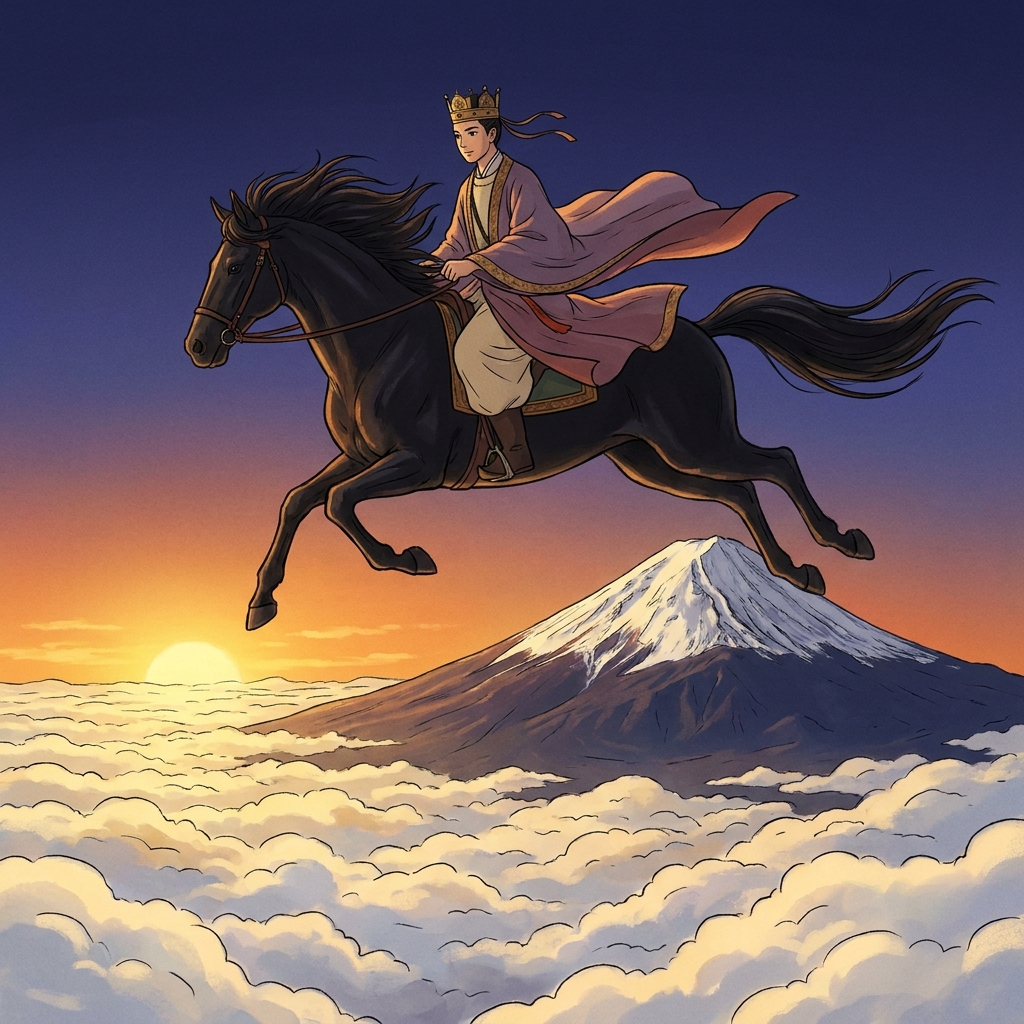
Basic Information
Name: Fuji Omuro Sengen jinja (Fujimuro Sengen jinja)
Location: 3951 Katsuyama, Fujikawaguchiko-machi, Minamitsuru-gun, Yamanashi Prefecture
Enshrined kami: Konohanasakuyahime no Mikoto
Founded: 699 AD (3rd year of Emperor Monmu’s reign)
The Oldest Jinja on Mt. Fuji, “First” Enshrined There
While there are numerous Sengen jinja around Mt. Fuji, Fuji Omuro Sengen jinja is said to be the oldest among them, “the most ancient in the mountains.” Its origins date back to 699 AD, when Fujiwara Yoshitada first dedicated and enshrined it at Mt. Fuji’s second station.
Originally, it operated as a two-shrine system with the “Hon-miya” (main shrine) at the second station of Mt. Fuji and the “Sato-miya” (lower shrine) by Lake Kawaguchiko. However, to protect the shrine buildings from damage caused by the harsh natural environment, the Hon-den (main hall) from the second station was relocated to the current Sato-miya site in Showa 48 (1973). This means that visitors can now pay their respects to the Hon-den, which holds the oldest history of Mt. Fuji, right by the lake.
Takeda Shingen’s Beloved “Kami of Safe Childbirth” and “Kami of Victory”
Takeda Shingen, a renowned general of the Sengoku period, deeply revered this jinja. Records show that he dedicated a handwritten “prayer document for safe childbirth,” which expressed his wish for the safe delivery of his daughter, Obaiin (the principal wife of Hojo Ujimasa). This precious ancient document is still preserved today.
Shingen also used this jinja as a place of prayer during battles, and it received generous protection from three generations of the Takeda family. A monument on the shrine grounds marks it as “Takeda Shingen-ko Gokigansho” (Lord Takeda Shingen’s Prayer Place). Even today, a steady stream of visitors comes to pray for success in competitions, contests, or during important turning points in their lives.
Did Prince Shotoku Fly Through the Sky on a Black Horse? The “Black Horse Taishi Legend”
An astonishing mystery is passed down at this jinja: the “Black Horse Taishi Legend.”
According to Heian period records, when Prince Shotoku was 25 years old, he chose the “Black Horse of Kai” from among horses presented as tributes from across the country. It is said that when the Prince mounted the horse, it immediately soared into the sky, flying over Mt. Fuji and reaching Shinano Province.
On the shrine grounds, a “Statue of Prince Shotoku” dedicated to this legend is enshrined, conveying the connection between Mt. Fuji, the horse, and the Prince with supernatural powers to this day.
Also a Hot Topic as a “Sacred Spot” from the Anime “Laid-Back Camp”
Fuji Omuro Sengen jinja appeared in Episode 8 of “Laid-Back Camp SEASON2,” a popular anime that sparked a camping boom.
In the anime, members of the Outdoor Activities Club are depicted visiting the jinja for their Hatsumode (first shrine visit of the New Year). Many fans come for “anime pilgrimages,” seeking the large torii gate and the tranquil scenery of the shrine grounds nestled by the lake that appeared in the show. Following the sando (shrine approach path) that the characters walked, and feeling the power of Mt. Fuji, is one way to enjoy the visit.
A Secret Tip for Boosting Financial Luck? The “Financial Luck Card” and “Hyakufuku no Ryuhouju”
In recent years, this jinja has also garnered attention as a “power spot for financial luck.” In particular, the “Financial Luck Card Omamori,” said to embody the energy of Mt. Fuji’s second station, is reputed to increase one’s financial fortune when kept in a wallet.
Also not to be missed on the shrine grounds is the “Hyakufuku no Ryuhouju” (Dragon Orb of a Hundred Fortunes). This is a stone statue of a dragon holding a sacred orb, and it is said that by stroking this orb, one will be granted all kinds of blessings.
Highlights of Your Visit: Tour the Two Shrine Buildings
Upon entering the shrine grounds, you will find the “Sato-miya” (lower shrine) directly in front and the “Hon-miya” (main shrine), which is an Important Cultural Property relocated from the second station, on your left.
Sato-miya: A shrine built by order of Emperor Murakami for the convenience of local villagers to worship.
Hon-miya: A National Important Cultural Property that strongly retains the architectural style of the Momoyama period.
The arrangement of these two shrine buildings facing each other is rare nationwide, and their unique atmosphere is truly captivating for visitors.
Fuji Omuro Sengen jinja is where the history of Mt. Fuji, the aspirations of Sengoku-era warlords, and even modern anime culture converge. When you visit Lake Kawaguchiko, be sure to immerse yourself in its profound history.
Related Links and References
[1] 冨士御室浅間神社〜世界文化遺産:富士山〜
[2] 山梨のパワースポットをめぐる/山梨の歴史を旅するサイト
[3] 冨士御室浅間神社 | 富士五湖ぐるっとつながるガイド(富士五湖観光連盟)
[4] 富士山の神社:冨士御室浅間神社
[5] 冨士御室浅間神社 本宮 里宮(富士河口湖町勝山) – Shrine-heritager
[6] 冨士御室浅間神社 – Wikipedia
[7] 冨士御室浅間神社【山梨県】|木花咲耶姫を祀る金運神社 | 最強の開運神社!人生を豊かにするパワースポット
[8] フジレキシ: 戦国期甲斐国側の浅間神社と領主武田氏と小山田氏
[9] https://www.yamanashi-kankou.jp/fujisan/manabo/documents/rekisibunka.pdf
[10] 山梨県のパワースポット【浅間神社】をめぐって富士山のエネルギーを感じよう -|『富士眺望の湯 ゆらり』
[11] ただいまサーバが大変込み合っております-じゃらんnet
[12] 当神社について 山梨県 富士山中最古の神社 参拝 冨士御室浅間神社
[13] 冨士御室浅間神社(ふじおむろせんげんじゃ) | 河口湖.net