 By ando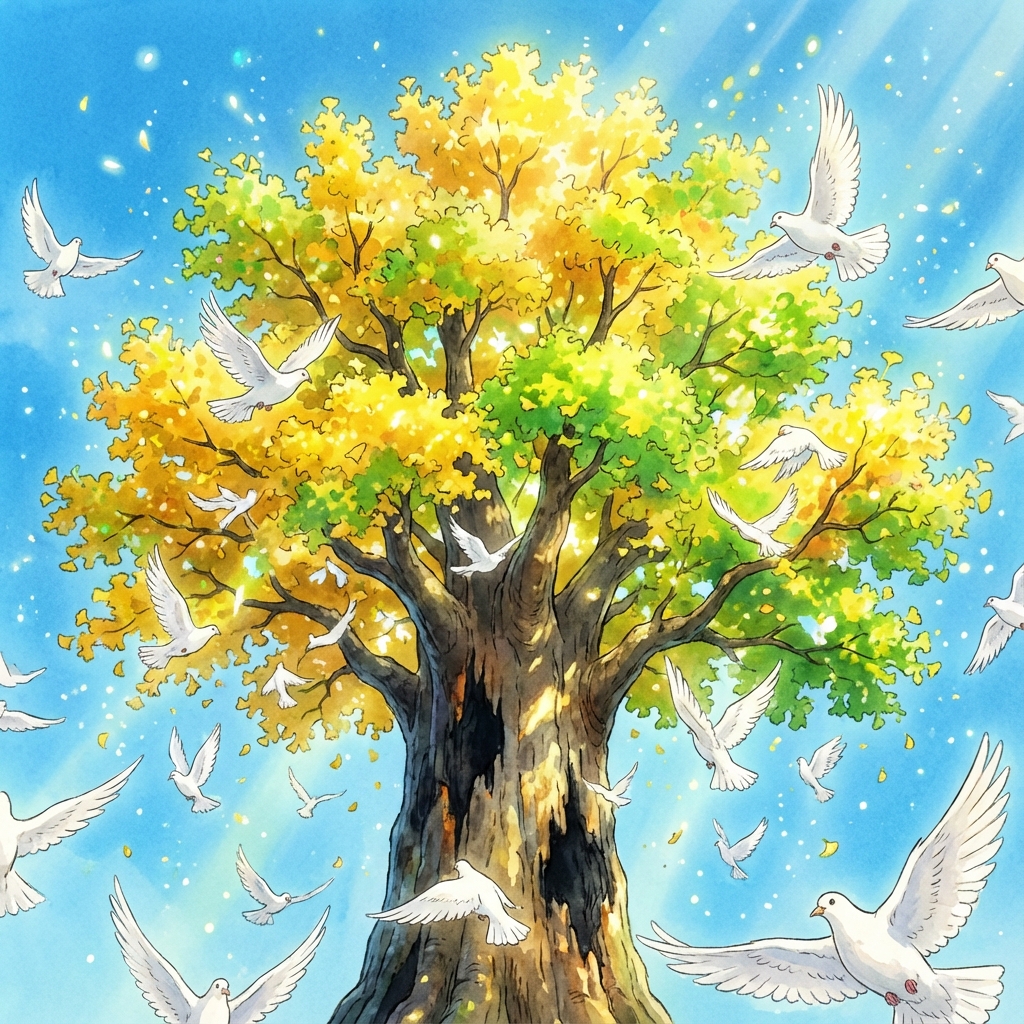
Nestled in a corner of Marunouchi, Nagoya’s bustling office district filled with towering buildings, lies Nagoyono Jinja, a shrine that exudes tranquility. Along with the adjacent Nagoya Toshogu, it is cherished as an urban oasis. However, this spot is actually a “supreme power spot” deeply connected to the very origins of the city of Nagoya.
In this article, we will uncover some mysteries and fascinating lesser-known stories about Nagoyono Jinja that will surprise even those who aren’t history buffs.
Basic Information
Location: 2-3-17 Marunouchi, Naka-ku, Nagoya, Aichi Prefecture
Enshrined kami: Susanoo-no-kami, Kushinadahime-no-kami
Founded: 911 (Engi 11)
Former shrine rank: Kensha (Prefectural Shrine)
Even Tokugawa Ieyasu Couldn’t Defy It? The “No Relocation” Divine Oracle
The most famous episode in the history of Nagoyono Jinja dates back to the construction of Nagoya Castle in 1610 (Keicho 15).
At that time, the jinja was located on the grounds that are now the Third Bailey of Nagoya Castle. Ieyasu intended to relocate the jinja during the castle’s construction, but decided to consult the kami’s will through an omikuji (fortune slip) just in case. To his surprise, the result was “Senja Fuka” (遷座不可), meaning “no relocation” – it must not be moved.
Even Ieyasu, the ruler of the nation, could not defy the words of the kami. Consequently, he built Nagoya Castle around the jinja, leaving it in its original spot. Thus, Nagoyono Jinja continued to stand within the Third Bailey throughout the Edo period, serving as the “Sochinju” (総鎮守), the guardian shrine of the castle.
Oda Nobunaga and the Deep Connection to “Nagoyono”
Nagoyono Jinja also has a very deep connection with the Oda clan.
In 1532 (Tenbun 1), when Oda Nobuhide, father of Oda Nobunaga, seized Nagoyono Castle (near where Nagoya Castle’s Second Bailey now stands) from the Imagawa clan, the shrine buildings were destroyed by fire during the battle. However, Nobuhide quickly rebuilt the jinja. It is said that a young Nobunaga himself studied diligently at Tennobo, a betto-ji temple located within the shrine’s precincts.
Today, the Oda clan crest, “Oda Mokko,” can be seen in various places around the shrine grounds, a testament to this historical connection.
“Nagoyono” or “Nagoya”? The Mystery of the Place Name
The jinja’s name is Nagoyono (那古野), but these same kanji characters were actually once read as “Nagoya.”
While there are several theories about the origin of the place name Nagoya, it is certain that the spelling “那古野” is one of its roots. A lesser-known story suggests that when the jinja was relocated to its current site during the Meiji period, it began to be called “Nagoyono” to distinguish it from the city name “Nagoya.”
The Miraculously Revived “Ginkgo Tree of Longevity”
Within the shrine grounds stands a ginkgo tree that survived the fires of the Great Nagoya Air Raid.
It was once charred black and presumed dead, but a few years later, it sprouted new leaves, making a magnificent comeback. Due to its powerful vitality, it is now revered as the “Ginkgo Tree for Ward-off Evil and Longevity,” and many worshippers visit to receive its blessings.
Anime Pilgrimage Spot: “Medalist”
For fans of “Medalist,” the authentic figure skating anime (and manga) set in Nagoya, Nagoyono Jinja is an essential pilgrimage spot.
In the anime’s third promotional video (PV) and within the series itself, it served as the model for a memorable scene where Yamato Ema, one of the main characters, is surrounded by a large number of pigeons on the shrine grounds. In fact, Nagoyono Jinja has long been known as a “shrine with many pigeons,” so fans should definitely try to take a photo in the same pose as Ema-chan!
Highlights for Your Visit
Nagoyono Jinja has a unique layout, with its grounds connected to the adjacent Nagoya Toshogu.
This is because both shrines, which were once side-by-side in the Third Bailey of Nagoya Castle, were relocated together to their current location during the Meiji period. With a single visit, you can explore both a jinja connected to the Oda clan and one associated with the Tokugawa clan, making it an irresistible and fulfilling spot for history enthusiasts.
Forget the urban hustle and bustle and come experience the “origin of Nagoya” that Nobunaga and Ieyasu sought to protect.
Related Links / References