 By ando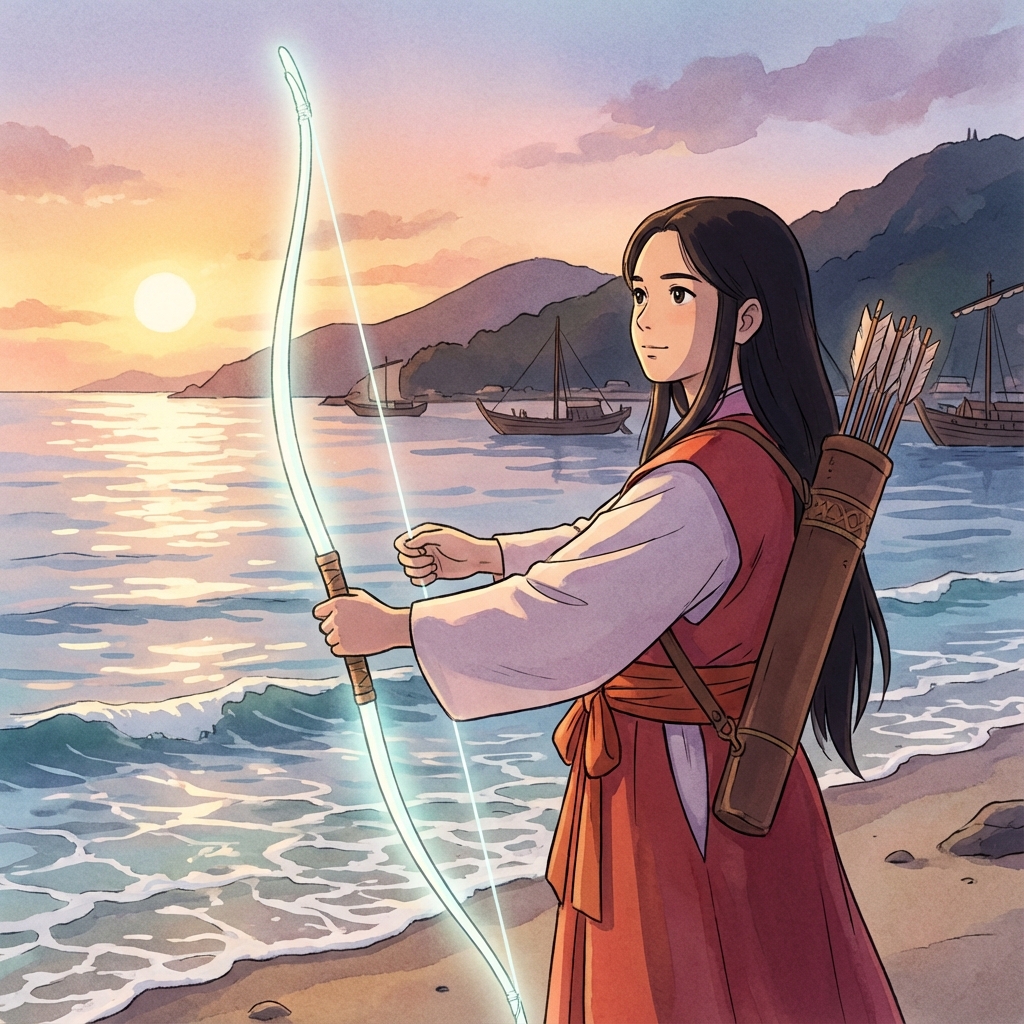
Nunakuma Jinja, nestled in the scenic Tomonoura district of Fukuyama City, Hiroshima Prefecture, is a historic jinja shrine that has long watched over the history and daily lives of the people in this area. Affectionately known by locals as “Gion-san” or “Ogyon-san,” its presence is deeply integrated into the landscape of Tomonoura.
A History Woven from the Fusion of Two Shrines
The current Nunakuma Jinja was established during the Meiji period through the gasshin (merger) of Watasu Jinja and Tomo Giongu. It inherits the shrine name “Nunakuma Jinja,” which is also listed in the Engishiki Jimmyocho, a collection of laws from the Heian period.
The main enshrined kami are Owatatsumi-no-mikoto, the kami of the sea (formerly enshrined at Watasu Jinja), and Susanoo-no-mikoto, the kami of warding off evil and dispelling plagues (formerly enshrined at Tomo Giongu). As these two kami are enshrined, it is believed to offer a wide range of blessings, including maritime safety, prosperity in fishing, household safety, recovery from illness, academic success, and safe childbirth.
Empress Jingu and the Legend of the Place Name Tomo
Regarding the founding of Nunakuma Jinja, a legend tells that approximately 1,800 years ago, during the reign of the 14th Emperor Chuai, Empress Jingu stopped at this inlet on her way to Saigoku (western Japan). Discovering that there was no shrine here, the Empress is said to have enshrined Watatsumi-no-mikoto using a sacred stone that emerged from the sea as a shintai (object of worship), and prayed for safe passage.
Furthermore, an interesting legend is passed down that when Empress Jingu stopped at this inlet again on her way back, she offered a bow protector called “Itsu no Takatomo” to Watatsumi-no-kami as a token of gratitude, and from this, the place came to be called “Tomo.”
A Noh Stage Connected to Toyotomi Hideyoshi and Diverse Shinto Rituals
Within the precincts of Nunakuma Jinja, there is a Noh stage designated as a National Important Cultural Property. This Noh stage is said to have been a favorite of Toyotomi Hideyoshi, and was originally located within Fushimi Castle in Kyoto. It was then bestowed upon Mizuno Katsunari, lord of Fukuyama Castle, by Shogun Tokugawa Hidetada, and subsequently relocated here. It is surprising to learn that it was once a portable, modular structure.
Furthermore, various Shinto rituals (shinji) are held at Nunakuma Jinja throughout the year. In particular, the O-yumi Shinji (Bow Ritual), held on the second Sunday of February, and the O-tebi Shinji (Torch Ritual), held on the eve of the second Sunday of July, are designated as Intangible Folk Cultural Properties of Fukuyama City and are highlights that convey the traditions of Tomonoura to the present day.
The Mystery of the Stone Lanterns that Guided the Tides
Tomonoura is known for its complex tidal currents, and at Nunakuma Jinja, a story remains about stone lanterns that are said to have served as tide-level markers. The tradition that the shrine’s lanterns also served as sea guides, indicating the ebb and flow of the tides and aiding navigation, highlights the deep connection between Tomonoura, which flourished as a strategic point for maritime traffic, and Nunakuma Jinja as the guardian kami of the port.
From Nunakuma Jinja, nestled at the foot of the mountains in Tomonoura, you can enjoy a panoramic view of the beautiful port town. Why not visit this ancient jinja, where history, legends, and the faith of its people live on, and reflect on the eternal flow of time?
Related Links and References
[1] Nunakuma Jinja – Wikipedia
[2] Nunakuma Jinja – Tomo Monogatari
[3] Nunakuma Jinja (Fukuyama City, Hiroshima Prefecture) ~ Guardian Kami of Historic Tomonoura ~ – Sakunadari
[4] Nunakuma Jinja (Link text garbled in original)
[5] Gion-san, Guardian of Tomonoura’s Town and Sea, “Nunakuma Jinja” | VISIT Tomonoura
[6] Nunakuma Jinja – Fukuyama City Homepage
[7] Nunakuma Jinja | Official Hiroshima Tourism and Travel Information Site Dive! Hiroshima
[8] Nunakuma Jinja [Asoview!]
[9] Nunakuma Jinja | Sightseeing and Activities | Tomonoura Shiomachi Hotel
[10] Nunakuma Jinja Highlights – Fukuyama City/Hiroshima Prefecture | Omairi
[11] [Jinja Pilgrimage] Nunakuma Jinja ~ An Ancient Shrine that Flourished as the Guardian of the Port and Kami of the Performing Arts (Hiroshima Prefecture) | My Hobby is Jinja Pilgrimage!!
[12] Nunakuma Jinja | An Ancient Shrine Located at the Foot of the Mountains with Views of Tomonoura [Hiroshima Fukuyama Trip]
Just registered on 33win44! Seems promisin’. Hoping to see some real action here. Best of luck to all the players out there!