 By ando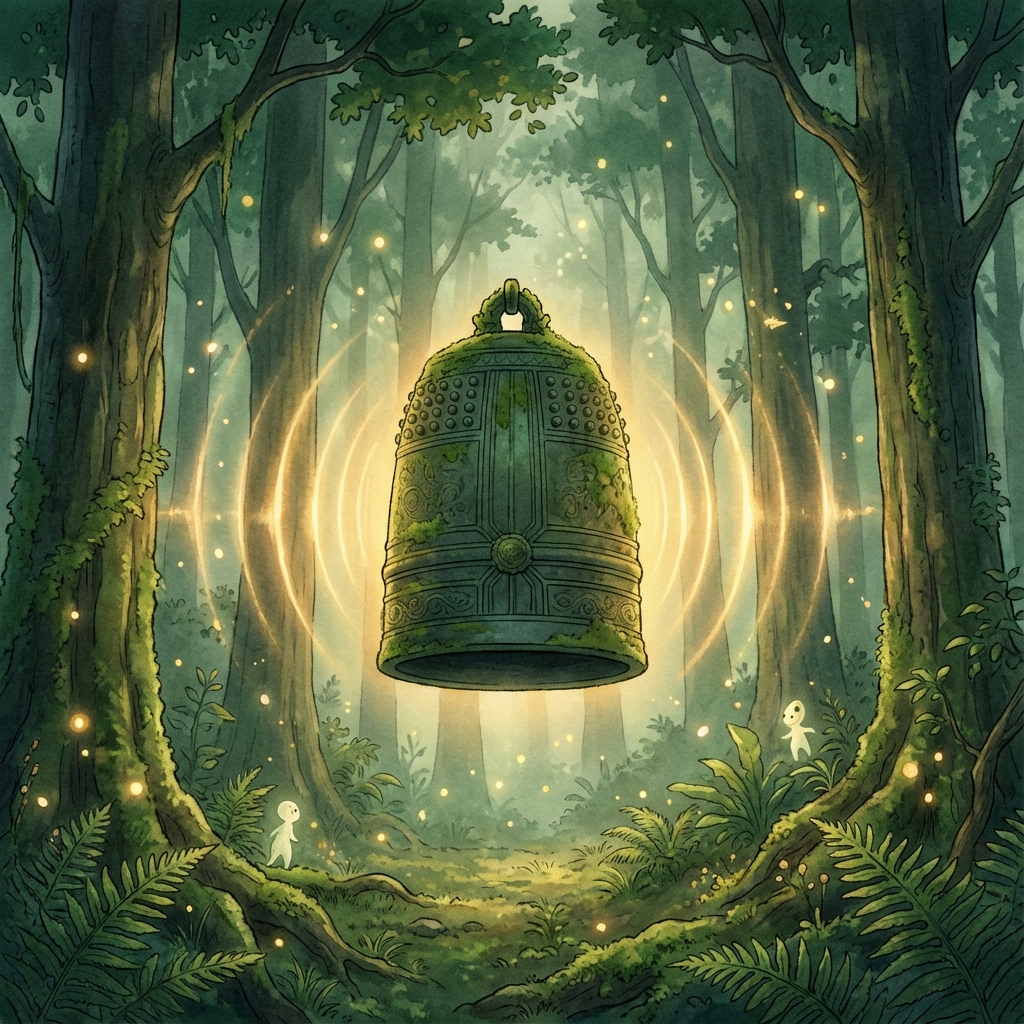
Tsurugi Jinja (Sword Shrine), located in Echizen Town, Nyu District, Fukui Prefecture, is a place where you can touch the profound depths of history. It was revered as the clan deity (ujigami) by Oda Nobunaga, the unifier of the Sengoku period. This time, we will introduce the mysteries hidden within this ancient jinja and its deep connection to Nobunaga.
Basic Information:
Location: 113-1 Oda, Echizen Town, Nyu District, Fukui Prefecture. Enshrined Kami: Susanoo-no-Mikoto, Kehi-no-Okami, Oshi-kuma-no-Miko. Shrine Rank: Echizen Province Ninomiya (Second Shrine). Main Cultural Property: Bonsho (Temple Bell) (National Treasure).
Oda Nobunaga’s Roots! The Birthplace of the “Oda” Surname
When discussing Tsurugi Jinja, its connection to Oda Nobunaga is indispensable. In fact, the ancestors of the Oda family were priests (shinshoku) who served at this jinja.
Originally, this area was known as “Ota” (織田), and from this name, the surname “Oda” originated. During the Muromachi period, a branch of the family was dispatched to Owari Province (present-day Aichi Prefecture), eventually leading to Oda Nobunaga, who would later shake the foundations of the nation.
Even when far away in Owari and Gifu, Nobunaga himself never forgot his reverence for his ujigami, making substantial donations and repairing the shrine buildings. Even today, items such as a jindaiko (war drum) said to have been donated by Nobunaga are preserved in the haiden (worship hall).
The Mystery Engraved on the National Treasure “Bonsho”
Tsurugi Jinja houses one of Japan’s oldest bonsho (temple bells), cast in 770 during the Nara period, and designated a National Treasure.
A curious legend surrounds this bell. It is said that once, when the bell was moved elsewhere, it rang out, proclaiming, “I want to return to Oda, I want to return to Oda,” astonishing the villagers. In the end, the bell had to be returned to its original location.
Furthermore, the inscription on the bell includes the words “Tsurugi no Miko” (Prince of the Sword), proving that this area has been a special sacred site since ancient times.
Legend: The Tale of the Imperial Prince and the Sacred Sword
The name of the jinja, “Tsurugi” (剣, meaning sword), has a dramatic legend behind it.
Prince Isaki-iri-hiko-no-Mikoto, son of the 11th Emperor Suinin, stayed in this area and pacified the Hokuriku region. It is said that the jinja originated when he enshrined his beloved “sacred sword” as a miyorishiro (vessel for a divine spirit).
Through the power of this “sword,” the kami has long been revered by samurai as a deity of martial success and longevity.
Sacred Site Pilgrimage: Also Noteworthy for Anime and Game Fans
As a place associated with Oda Nobunaga, Tsurugi Jinja is known not only to history enthusiasts but also as a “sacred site” for fans of the many anime and games featuring Nobunaga.
People captivated by the character of Oda Nobunaga in works such as the Nobunaga’s Ambition series, Sengoku BASARA, and Fate/Grand Order (FGO) visit the shrine seeking his roots.
The Oda Cultural History Museum, located within the shrine grounds, exhibits materials related to Nobunaga and shrine treasures, allowing visitors to experience the “real history” behind these fictional works firsthand.
Behind the Scenes: The Flavors of Echizen Beloved by Nobunaga
There are also stories that Nobunaga favored local specialties from Echizen, his ancestral home. Especially seafood caught off the Echizen coast and sake made with the region’s abundant water were sources of vitality for Sengoku warlords. On your way back from visiting the shrine, enjoying Echizen soba noodles or seafood dishes, perhaps also loved by Nobunaga, is a sophisticated way to enjoy your pilgrimage.
Tsurugi Jinja can be considered the wellspring of Oda Nobunaga’s overwhelming energy. Standing within its tranquil grounds, you are sure to feel the fervor of the Sengoku period and the sacred atmosphere that marks the passage of eternal time.
Related Links and References
No sources available.