 By ando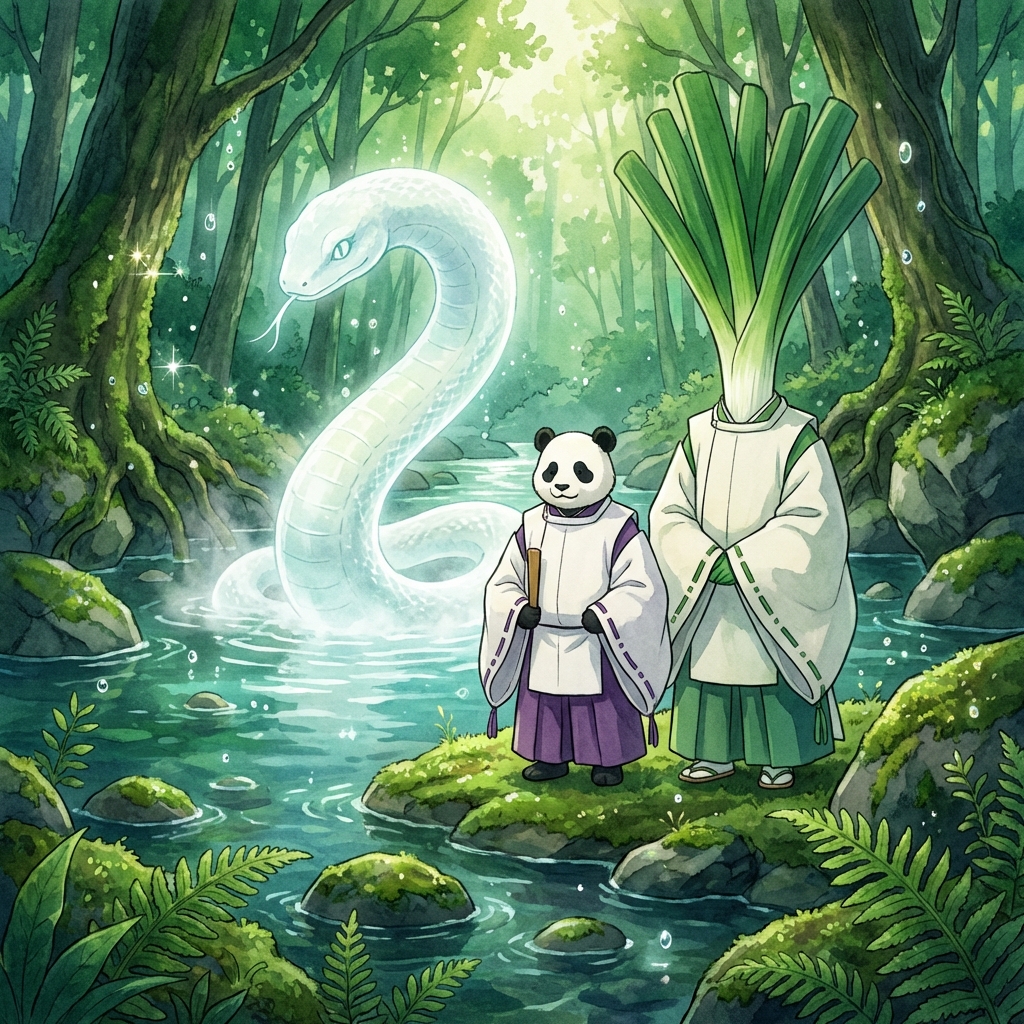
Basic Information
The shrine’s name is Aruka Jinja. Its location is 1-4-41 Kamigo, Ebina City, Kanagawa Prefecture, which is the Hon-gu, or main shrine. The enshrined kami are Arukahiko-no-mikoto and Arukahime-no-mikoto. The founding date is unknown, but records indicate that a national annual festival was held here in Hakuchi 15, which corresponds to 664 AD.
Is Aruka Jinja Older Than Samukawa Jinja? The Oldest History in Sagami Province and the Mystery of Water
Aruka Jinja is considered the oldest shrine in Sagami Province, which is present-day Kanagawa Prefecture. Its name is recorded in the Engishiki Jinmyocho, a document from the Heian period. Some say it has an even longer history than the famous Samukawa Jinja, which is known as the Ichinomiya, or first shrine, of Sagami Province.
The shrine name “Aruka” is said to mean “water” in ancient language. This land was once called “Aruka-go” and was a farming hub blessed with abundant spring water and the bounty of the Sagami River. Even today, a form of worship that traces the flow of water remains, by visiting three shrines: the Okumiya (the water source) in Sagamihara City, the Chugu (middle shrine) in Zama City, and the Hon-gu (main shrine) in Ebina City.
Explosive Popularity on Social Media: The Mystery of the Panda Guji Dairi and Negi Negi
What made Aruka Jinja suddenly famous is the presence of its utterly surreal official characters.
One is the Panda Guji Dairi, or Panda Acting Chief Priest. This character appears on the shrine grounds with a panda head and a Shinto priest’s body. The catalyst for its creation was a TV show interview. It originally appeared as a “deputy” when the chief priest was absent, but its impact led to it being widely shared on social media. By the way, regarding the question “It’s Aruka Jinja (Deer Shrine), so why a panda?”, the shrine offers a very practical reason: “Because deer antlers interfere with the eboshi (Shinto hat) and make it difficult to wear.”
Another character is Negi Negi, or Scallion Shinto Priest. This character is a pun on the Shinto priest’s title ‘Negi’ and the vegetable ‘negi’ (scallion). Its appearance as a giant scallion over 3 meters tall, attempting the chinowa-kuguri (passing through a large straw ring), became a huge topic online, with many calling it “too surreal.”
These characters are by no means a joke; they were born from the passionate desire of the Negi (the person behind the character) to make the shrine feel more familiar and approachable.
The Tragic Love Legend of Arukahime
The shrine tells the beautiful yet sad legend of Princess Arukahime.
About 500 years ago, a princess, driven from her castle by war, tried to escape to Ebina, where the young man she was promised to lived. However, she ran out of strength along the way and threw herself into the Sagami River, where her body is said to have transformed into a giant serpent. The princess, now a great serpent, swam down the river and was washed ashore behind Aruka Jinja, where she died. Villagers, pitying her, are said to have buried her in a corner of the shrine grounds. Even today, a stone monument commemorating her stands quietly between the shrine and a local elementary school.
Behind-the-Scenes Stories and Highlights: The “Chunibyo Garden” and Unique Goshuin
Within the shrine grounds, there is another unique spot called the “Chunibyo Garden.” Additionally, the goshuin (red seal stamps) and goshuincho (seal stamp books) offered include designs featuring the Panda Guji Dairi, showcasing a coexistence of traditional solemnity and modern playfulness.
On the other hand, the main hall (honden) is a valuable architectural structure rebuilt in the early Edo period and is designated as an Important Cultural Property by Ebina City. Visitors can also clearly feel the dignity of this ancient jinja, with features such as the magnificent dragon painting on the ceiling of the worship hall (haiden).
The solemn aspect of a shrine dedicated to ancient water kami, juxtaposed with the modern, playful face where pandas and scallions roam: this very gap is perhaps the greatest mystery that continues to draw so many people to Aruka Jinja.