 By ando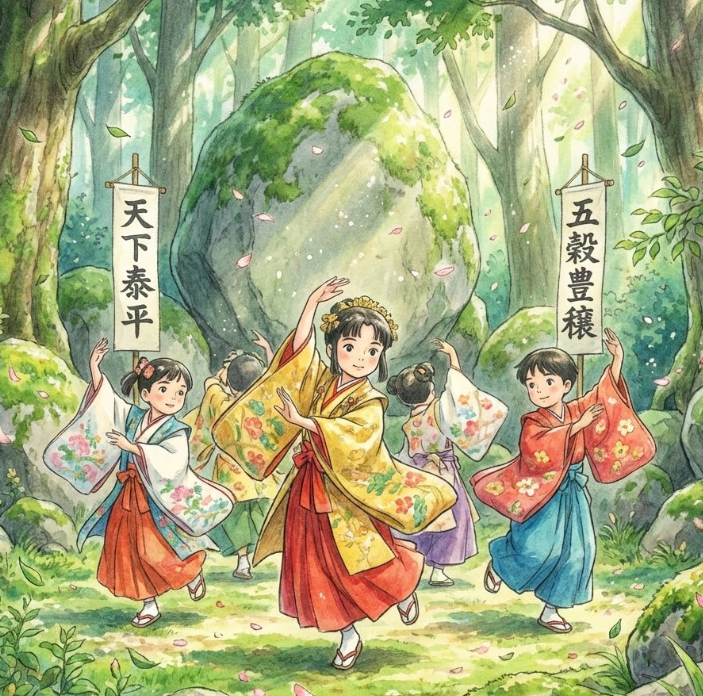
Shizuoka Sengen Jinja (しずおかせんげんじんじゃ), located in Aoi Ward, Shizuoka City, is affectionately known as “Osengen-san” by locals and serves as the Sochinju (chief guardian shrine) of Suruga Province. It is not a single jinja, but a collective term for three main shrines: Kambe Jinja, Sengen Jinja, and Ohtoshimioya Jinja. Additionally, there are four smaller auxiliary shrines (keidai-sha) within its precincts, truly making it a “forest of kami.” Its magnificent complex of shrine buildings is praised as “Nikko of the Tokai region” and continues to captivate visitors.
History and Kami of the Three United Shrines
The history of Shizuoka Sengen Jinja is extremely ancient. Kambe Jinja, the oldest of the three, is said to have been enshrined approximately 2,100 years ago during the reign of the 10th Emperor Sujin, as the ancestral kami of Suruga’s pioneers. During the Heian period, it became the Soja (chief shrine) of Suruga Province, gathering reverence as the oldest jinja in the region.
Sengen Jinja, on the other hand, was established in En’gi 1 (901 AD) through an imperial request from Emperor Daigo. It was branched off (bunshi) from Fujisan Hongu Sengen Taisha and enshrined as “Fuji Shingu.” Its principal kami is Konohanasakuyahime-no-Mikoto, the goddess of Mount Fuji, and it is believed to grant blessings for safe childbirth, conception, and marital harmony.
Furthermore, Ohtoshimioya Jinja was founded in Ojin 4 (273 AD) as the guardian kami of “Abe-no-Ichi,” an ancient center of logistics and commerce.
It is these three jinja, unified as one, that have received deep reverence from the Imperial Court, provincial governors (kokushi), and samurai warriors, forming Shizuoka Sengen Jinja.
Deep Connection and Legends with Tokugawa Ieyasu
Indispensable when speaking of Shizuoka Sengen Jinja is its profound connection with Tokugawa Ieyasu. Young Ieyasu (known as Takechiyo), who spent his childhood in Sunpu as a hostage of the Imagawa clan, held his genpuku ceremony (coming-of-age ceremony) right here at Shizuoka Sengen Jinja. The haramaki (armor) he is said to have worn then is still preserved today as a cultural property of Shizuoka Prefecture.
Furthermore, a dramatic episode tells of Ieyasu burning down the shrine buildings himself during a battle with the Takeda clan, praying for victory and vowing to rebuild them later. After defeating the Takeda clan and gaining control of Suruga Province, he rebuilt the shrine buildings as promised.
Even after Ieyasu’s death, the Edo Shogunate designated Shizuoka Sengen Jinja as a place of prayer for successive shoguns. Notably, the third shogun, Iemitsu, ordered extensive renovations of the shrine buildings. The current complex was rebuilt after being destroyed by fires in the An’ei and Tenmei eras, taking approximately 60 years from Bunka 1 (1804) and costing an enormous sum of 100,000 ryo at the time.
Within the precincts, there are gourd-shaped ema (votive tablets) derived from the “Kachifukube” (victory gourd) said to have been favored by Ieyasu in battle, where visitors can make wishes. Furthermore, the unique fact that Ieyasu is enshrined together with kami in Kambe Jinja and Yachihoko Jinja only at Shizuoka Sengen Jinja in the entire country, speaks volumes about his deep connection to the place.
Luxurious and Splendid Shrine Buildings and the “Heisei Reiwa Grand Renovation”
The greatest highlight of Shizuoka Sengen Jinja is its grand and magnificent complex of shrine buildings. Twenty-six structures, adorned with vibrant colors through total lacquer coating (urushi-nuri), are designated as Important Cultural Properties of Japan. Their beauty is truly worthy of being called “Nikko of the Tokai region.”
In particular, the Daihaiden (main hall of worship), which serves as the haiden (worship hall) for both Kambe Jinja and Sengen Jinja, is a three-storied, two-floor pavilion-style structure towering 25 meters high. It is a unique and unparalleled grand building style known as “Sengen-zukuri” across the nation.
Currently, Shizuoka Sengen Jinja is undergoing the “Heisei Reiwa Grand Renovation,” a massive project started in 2014, spanning approximately 20 years and costing a total of about 5 billion yen. This extensive undertaking involves sequentially re-lacquering all 26 Important Cultural Properties. The freshly lacquered shrine buildings regain their original magnificent luster, offering a rare sight that can only be witnessed now.
The “Seven Shrine Pilgrimage” for Granted Wishes and the Craftsmanship of Artisans
Within the precincts of Shizuoka Sengen Jinja, in addition to the three main shrines (Kambe Jinja, Sengen Jinja, Ohtoshimioya Jinja), there are four auxiliary shrines: Toyama Jinja, Yachihoko Jinja, Sukunahikona Jinja, and Tamahoko Jinja. Visiting all seven of these shrines, known as the “Nanasha-mairi” (Seven Shrine Pilgrimage), is a popular power spot tour believed to grant all wishes. It can be enjoyable to receive a special goshuin-fuda (pilgrimage stamp card, free of charge) at the shamusho (shrine office) and collect stamps from each jinja as you go.
Furthermore, the skills of the artisans involved in rebuilding the shrine buildings during the late Edo period are said to have led to the development of traditional crafts in Shizuoka, such as Suruga Sashimono (woodcraft) and Suruga Shikki (lacquerware), and even to have become one of the roots of the modern plastic model industry.
Other Highlights and Episodes
Hatsukaesai (Twentieth Day Festival): This annual grand festival is held from April 1st to 5th. On the final day, April 5th, “Chigo Bugaku” (children’s court dance and music) is performed. This performance is believed to have originated from Tokugawa Ieyasu’s dedication, praying for peace and abundant harvests, and is designated as a National Important Intangible Folk Cultural Property.
Kan’ami Monument: Next to the romon (two-storied gate), a monument stands at the spot where Kan’ami, the great master of Noh theater, is said to have performed his final stage.
Connection to Yamada Nagamasa: This jinja is also the ujigami (guardian kami of one’s birthplace) of Yamada Nagamasa, known for his overseas exploits. A replica of an ema depicting a battleship, dedicated by Nagamasa, is preserved here.
Sukunahikona Jinja: Originally Jingu-ji Yakushi-sha, a shrine-temple dedicated to the kami of medicine, it is now revered as the kami of medicine, sake brewing, improvement in arts and skills, and wisdom.
Shizuoka Sengen Jinja is steeped in history and culture, adorned with its deep connection to Tokugawa Ieyasu. Why not explore its magnificent shrine buildings, reflect on its many legends, and make your wishes come true with the Nanasha-mairi pilgrimage?