 By ando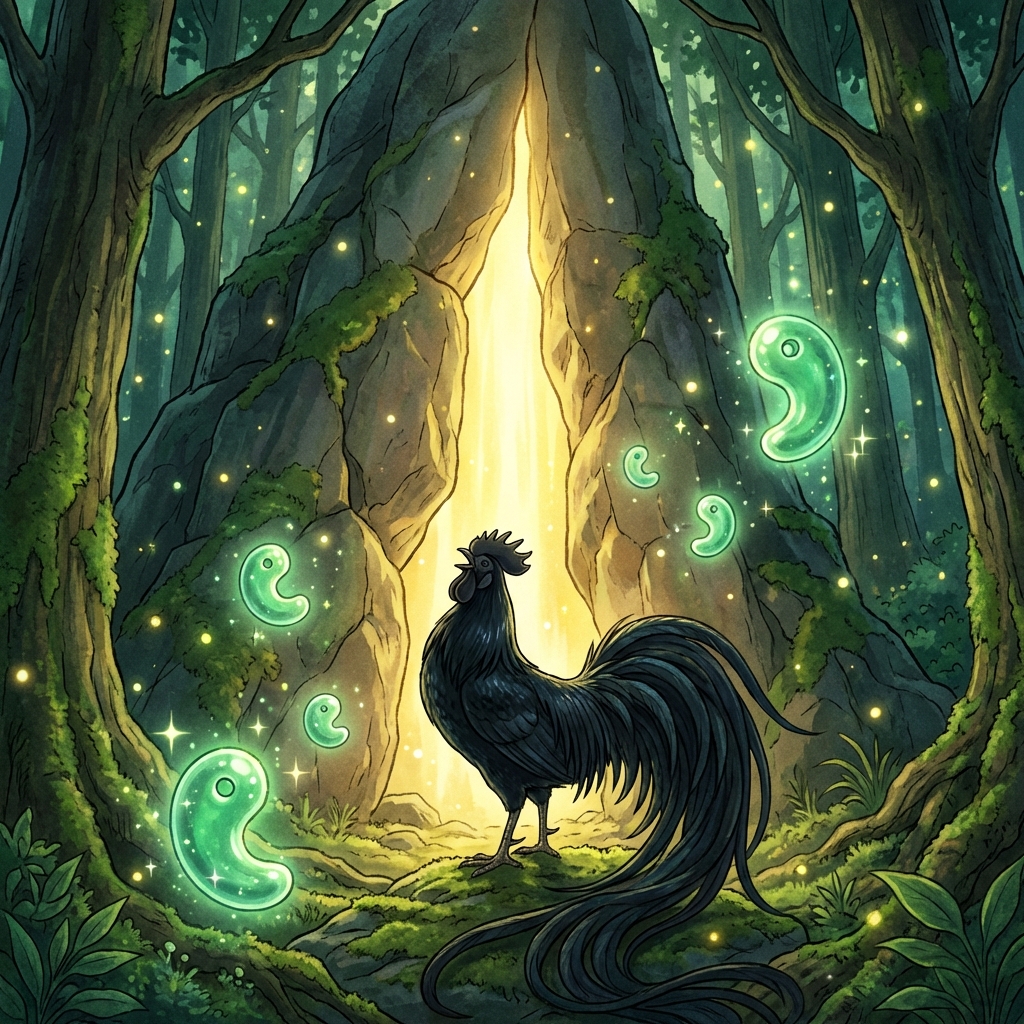
Basic Information
Location: 1690 Oaza Osaki, Hofu City, Yamaguchi Prefecture
Enshrined kami: Tamaoya-no-mikoto
Shrine rank: Ichinomiya of Suo Province (chief shrine of the former Suo Province), Shikinaisha, Former Kokuhei Chusha, Beppyo Jinja
Access: Approximately 12 minutes by bus from Hofu Station on the JR Sanyo Main Line, then about a 20-minute walk from the “Medical Center” bus stop. Approximately 10 minutes by car from the Hofu-Higashi Interchange on the Sanyo Expressway.
—
Japan’s Only Sōhonsha (Head Shrine) Enshrining the kami Who Created the Magatama, One of the Three Sacred Treasures
Tamaoya Jinja, located in Hofu City, Yamaguchi Prefecture, is renowned as the “Ichinomiya” (chief shrine) of Suo Province (present-day eastern Yamaguchi Prefecture), holding the highest prestige. Its history is incredibly ancient; while the exact founding date is unknown, its name already appears in records from the Nara period (738 CE).
The greatest mystery lies with its enshrined kami, Tamaoya-no-mikoto. This kami is said to have crafted the “Yasakani no Magatama,” one of the Three Sacred Treasures of Japan, during the “Ama-no-Iwato-gakure” (hiding of Amaterasu in the Rock Cave) episode in Japanese mythology. As the sōhonsha (head shrine) for all Tamaoya Jinja nationwide, it is no exaggeration to say that the roots of Japan’s treasures can be found right here.
The Cries of the “Long-Crying Fowl” Resounding in the Shrine Grounds and the Legend of Ama-no-Iwato
As you walk through the grounds of Tamaoya Jinja, you will likely spot some unusual chickens. These are Kurokashiwa-kei, a nationally designated natural monument.
According to legend, when Amaterasu Omikami (Sun Goddess) hid in the Rock Cave, plunging the world into darkness, Tamaoya-no-mikoto gathered these chickens and made them crow, helping to lure the goddess out.
These Kurokashiwa-kei are believed to be descendants of the “Tokoyo-no-naganaki-dori” (Everlasting Long-Crying Fowl), and their calls are remarkably long, sometimes lasting for nearly 10 seconds. They are still carefully raised within the shrine grounds today, and their divine appearance and calls evoke the world of mythology for visitors.
Tama-no-Iwaya: The Enigmatic Tomb of a kami
About 500 meters north of the jinja lies a megalithic ruin known as “Tama-no-Iwaya.” A legend persists that this is the burial site of Tamaoya-no-mikoto, who passed away in this very place.
The existence of a “tomb” for a kami is incredibly intriguing. It sparks historical curiosity, suggesting that an ancient group with advanced magatama-making skills (called the Tamatsukuri-be) settled here, and their chieftain was later deified, leaving behind this vestige.
A Hidden Side: A “Sacred Place” for People in the Eyewear, Watch, and Jewelry Industries
As a kami associated with “tama” (beads/jewels, but also lenses and components), it surprisingly attracts fervent devotion from various modern industries.
Jewelry and precious metals: Due to its connection with magatama.
Eyeglasses and lenses: As lenses are also referred to as “tama.”
Watches: Because “tama” (such as quartz crystals) were once used in watch bearings.
Every April, the “Tama-no-Matsuri” (Jewel Festival) is held, drawing eyewear and watch industry professionals from across the country to pray for business prosperity. Within the shrine grounds, there is also a “Megane-zuka” (Eyeglass Mound) dedicated to old, used eyeglasses, making it a hidden sacred site for technicians and craftspeople.
Anime and Game Pilgrimage Information
Tamaoya Jinja has garnered attention as one of the sacred sites among fans of the popular series “Touhou Project.”
The character “Tamatsukuri Misumaru” from the series is modeled after a kami who creates magatama, and the inspiration is said to be none other than Tamaoya-no-mikoto, the enshrined kami of this very Tamaoya Jinja. Many fans visit this ancient jinja, seeking the roots of a character who wields magatama as weapons and tools.
Furthermore, the entire city of Hofu serves as the setting for the anime film “Mai Mai Miracle,” and the scenery around this jinja, the Ichinomiya of Suo Province, is a valuable spot that still conveys the atmosphere of the provincial capital from the Heian period depicted in the film.
—
With the enduring brilliance of magatama tracing back to the age of myths, and the tranquility guarded by nationally designated chickens, Tamaoya Jinja is a power spot brimming with mysterious charm, attracting not only history enthusiasts but also technicians and subculture fans.
Related Links and References