 By ando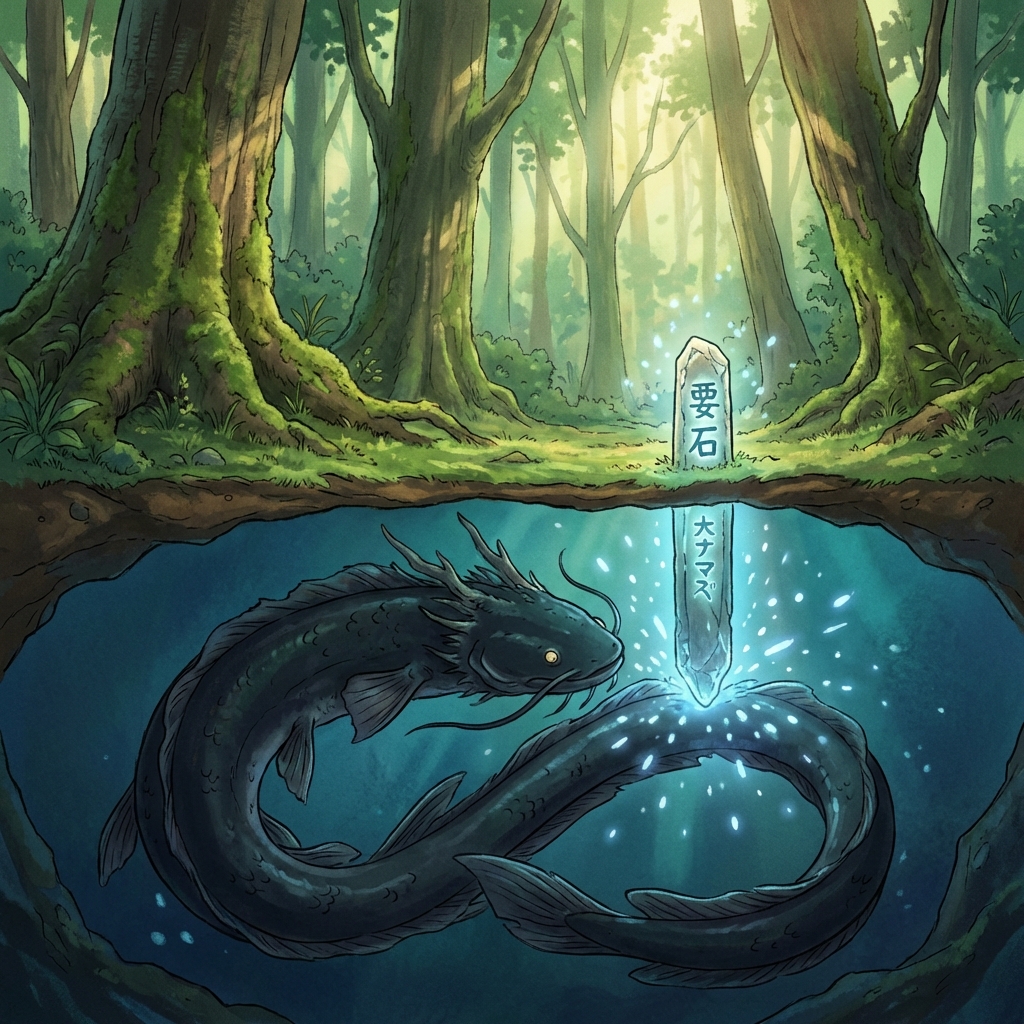
Basic Information
Location: 1697-1 Katori, Katori City, Chiba Prefecture
Enshrined Kami: Futsunushi no Okami
Founding: Traditionally, the 18th year of Emperor Jimmu’s reign (643 BC)
Shrine Status: Ichinomiya (chief shrine) of Shimosa Province, formerly a Kanpei Taisha (Grand Imperial Shrine), Chokusai-sha (Shrine for Imperial Envoys)
Divine Blessings: Victory and good fortune, martial arts prowess, traffic safety, protection from calamities, family safety and prosperity
Katori Jingu is a renowned jinja counted among the “Three Shrines of the Eastern Provinces” (Tokoku Sansha), alongside Kashima Jingu in Ibaraki Prefecture and Ikisu Jinja. Before the Meiji era, only three jinja were granted the title of “Jingu”: Ise Jingu, Kashima Jingu, and Katori Jingu itself. This fact alone reveals the exceptionally high status and prestige of this site.
The Mystery of the “Kaname-ishi” (Keystone) that Calms Earthquakes, and Mito Komon’s Challenge
Katori Jingu’s most famous power spot is the “Kaname-ishi” (Keystone), quietly enshrined deep within the precincts.
Since ancient times, it was believed that earthquakes were caused by a giant “O-Namazu” (catfish) thrashing about deep underground. It is said that Futsunushi no Okami of Katori Jingu and Takemikazuchi no Okami of Kashima Jingu plunged massive stone pillars deep into the earth to subdue this catfish. Katori Jingu’s Kaname-ishi is said to pin down the catfish’s “tail,” while Kashima Jingu’s Kaname-ishi holds down its “head,” with a legend also stating that the two stones are connected underground.
Challenging this legend was none other than Tokugawa Mitsukuni, famously known as “Mito Komon.” During the Genroku era, he gathered laborers, saying, “I want to confirm what lies beneath the stone,” and had them dig around the Kaname-ishi. However, after digging for seven days and seven nights, they could not reach the bottom, and eventually, many workers were injured. The anecdote remains that even Lord Mitsukuni, struck with fear, abandoned the excavation.
The Jet-Black Shrine Buildings and the Backstory of the “God of Victory”
Katori Jingu’s Honden (main hall) is not characterized by the common vermilion lacquer, but by its imposing “black lacquer finish.” This structure, built in 1700 (Genroku 13) by Lord Tokugawa Tsunayoshi, is an Important Cultural Property adorned with magnificent Momoyama-style decorations.
Also, pay attention to the “Katori Jingu” hangaku (framed plaque) displayed on the Romon (two-storied gate). This is the autograph of Togo Heihachiro, who served as Commander-in-Chief of the Combined Fleet during the Russo-Japanese War. Katori Jingu, which enshrines the kami of martial arts, has long been revered by samurai and military personnel. Even today, a continuous stream of people visits to pray for victory before competitions or important events.
Anime and Subculture Pilgrimage Information
Katori Jingu, with its mystical legends, has also become an important spot for anime and game fans.
“Suzume” (Directed by Makoto Shinkai):
The “Kaname-ishi” that seals earthquakes, appearing in the film, is directly inspired by the legends of Katori Jingu and Kashima Jingu. Since the movie’s release, many fans tracing the story’s roots have been seen visiting to pay homage to the “real Kaname-ishi.”
“Kantai Collection -KanColle-“:
The shipboard shrine of the former Imperial Japanese Navy training cruiser “Katori” was enshrined by bunshi (dividing a kami) from Katori Jingu. For this reason, it has become one of the pilgrimage sites for fans of the “Kanmusu” (ship girl) Katori, who visit as the “origin of her shipboard shrine” in what is known as “shipboard shrine pilgrimage.”
Visiting Highlights: The Sanbon Sugi Cedar and Yakuyoke Dango
Within the precincts stands the “Sanbon Sugi” (Three-Forked Cedar), said to have split into three when Minamoto no Yoriyoshi prayed there. A popular way to experience the site is to stand in its center and feel its power. After your visit, don’t forget to try the famous “Yakuyoke Dango” (calamity-warding dumplings) at the shops along the approach to the shrine. The aroma of mugwort dango and its gentle sweetness will be a refreshing treat after walking through the sacred grounds.
A world of ancient history and mythology that breathes life even into modern animation. Katori Jingu is more than just a tourist destination; it is a place where you can feel “Japan’s fundamental power.”
Related Links / References
[Katori Jingu] God of Victory! Chiba’s Strongest Good Luck Power Spot
What kind of place is Katori Jingu? Introducing its highlights, goshuin, access information, etc. | Feature | Chiba Official Tourism Site Chiba Kanko Navi
Namazu (catfish) and Earthquakes and Kaname-ishi | Shinshizo Reminiscences
What is the Kaname-ishi that suppresses the giant catfish? Katori Jingu and Kashima Jingu, where legends related to earthquakes remain – TRiP EDiTOR
Katori Jingu – Trivia Edition: There isn’t just one answer! by Aoki Plant Manager
[Katori Jingu] Chiba’s Good Luck Power Spot! Benefits and Highlights | Izumi Housing Group
YouTube
Katori Jingu: History, Benefits, and Visiting Methods of Japan’s Foremost Power Spot – Irotori Dori
Kaname-ishi (Keystone) for sealing earthquakes | Cosmo Netre Blog “As the mood takes me” | Iwai Cosmo Securities Online Trading
Leyline Hunting
Regarding the Kaname-ishi – Kashima Jingu and Katori Jingu – | Umeananzu
The oldest shrine in Eastern Japan!? Rampumps prays for success at Katori Jingu in Chiba Prefecture, one of Japan’s three great Jingu! – Nippon Broadcasting NEWS ONLINE