 By ando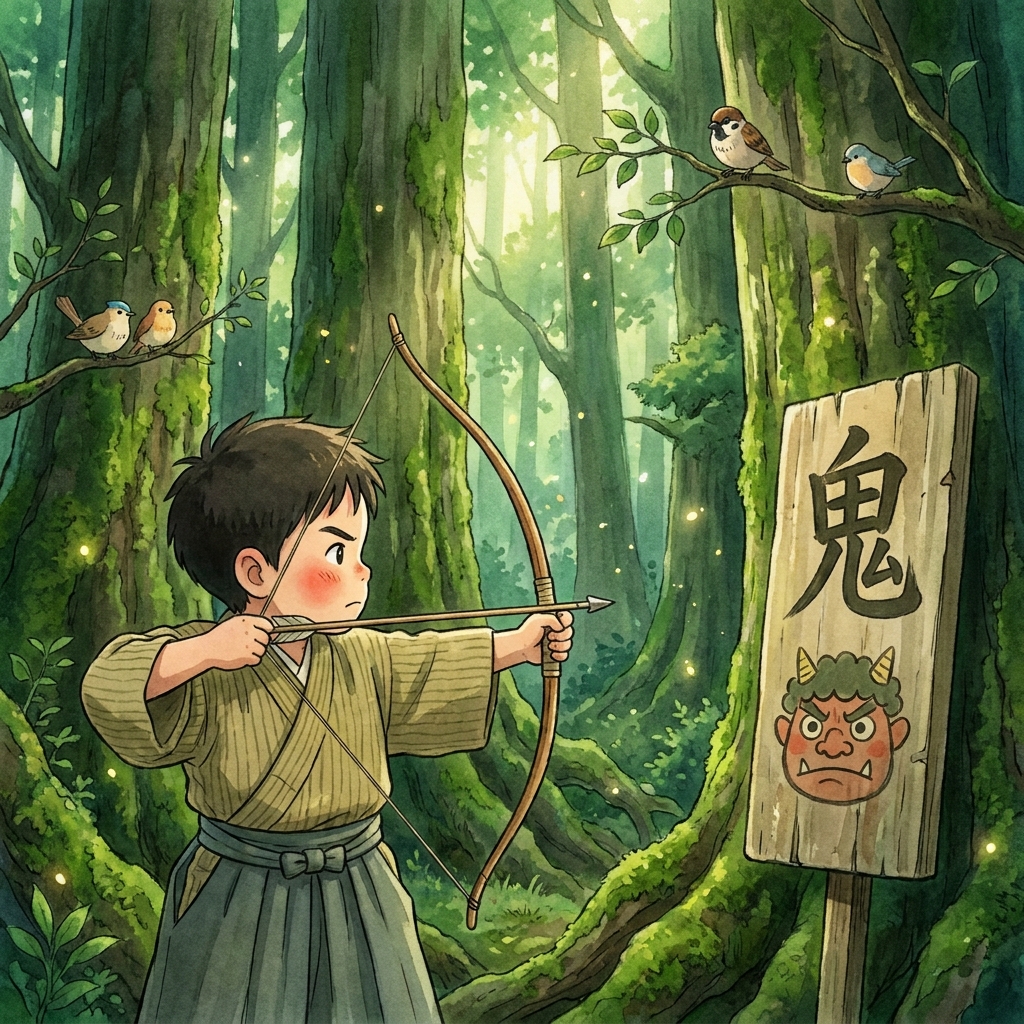
Basic Information
Name: Hachioji Jinja (Hachioji Shrine)
Location: 161 Kowagama-cho, Funabashi-shi, Chiba Prefecture
Main kami (deity) enshrined: Ame-no-Oshihomimi-no-Mikoto
Founded: Daitoku 2 (807 AD)
Annual Festival: October 7th
A Family Meeting of the Kami? The Role of the ‘Youngest Son’ in the ‘Sanzan Shichinen Sai’
The Shimosa Sanzan Shichinen Sai, a grand festival held once every seven years (based on traditional Japanese age counting) around Funabashi City, boasts a history of approximately 700 years. In this festival, nine nearby jinja each take on a ‘family’ role, and Hachioji Jinja in Kowagama plays the important position of the ‘youngest son’.
As kami from jinja like Ninomiya Jinja (father) and Koyasu Jinja (mother) gather, Hachioji Jinja’s mikoshi (portable shrine) appears as the ‘energetic youngest child,’ enlivening the festival. This format, where jinja gather as a family, is extremely rare nationwide and is one of the mysteries that speaks to the deep bonds within the community.
Shooting ‘Oni’ to Pray for Growth – The Hidden Meaning of the Traditional Ritual ‘Obisha’
Every January, this jinja holds a traditional ritual called ‘Obisha’ (archery). This is a ceremony where boys under the age of seven shoot arrows at a target marked with the character for ‘oni’.
This ‘oni’ is not merely a monster; it symbolizes plagues and evil spirits that bring disaster to the region. While the sight of young children earnestly drawing their bows is charming, behind it lies an ancient, fervent wish and a belief in warding off evil: ‘May our children grow up healthy, free from illness’.
The Mythological Mystery Hidden in the Name ‘Hachioji’
Generally, the name ‘Hachioji’ often originates from the enshrinement of eight princes of Gozu Tenno. However, at Hachioji Jinja in Kowagama, there is a slightly different theory.
During the Meiji-era separation of Shinto and Buddhism, it came to be associated with the five male and three female kami (a total of eight kami) born from the ‘Ukei’ (pledge) between Amaterasu Omikami and Susanoo-no-Mikoto. The main kami enshrined, Ame-no-Oshihomimi-no-Mikoto, is the eldest of these sons. Why did the interpretation shift from the worship of Gozu Tenno to the kami of the ‘Ukei’ in Kojiki and Nihon Shoki mythology? One can sense the wisdom and mystery of the people of that time who strove to preserve their faith amidst the turbulent waves of the era.
The ‘Forest of the Kami’ Remaining in Funabashi and Birdwatching
The jinja grounds (approximately 1.08 hectares) are designated as a ‘Local Environmental Conservation Area’ by Chiba Prefecture. Stepping inside, you are enveloped in such profound silence and rich, near-primeval greenery that you might forget you are still in Funabashi City.
This forest is also known as a treasure trove for wild birds and is a hidden gem for birdwatching. Precisely because it has been protected as a ‘sacred area’ since ancient times, it has remained untouched by development, preserving the atmosphere that has existed since the Heian period. When you are tired of the urban hustle and bustle, a visit to this ‘Forest of the Youngest Son’ will surely make your heart feel strangely calm and rejuvenated.
Related Links and References