 By ando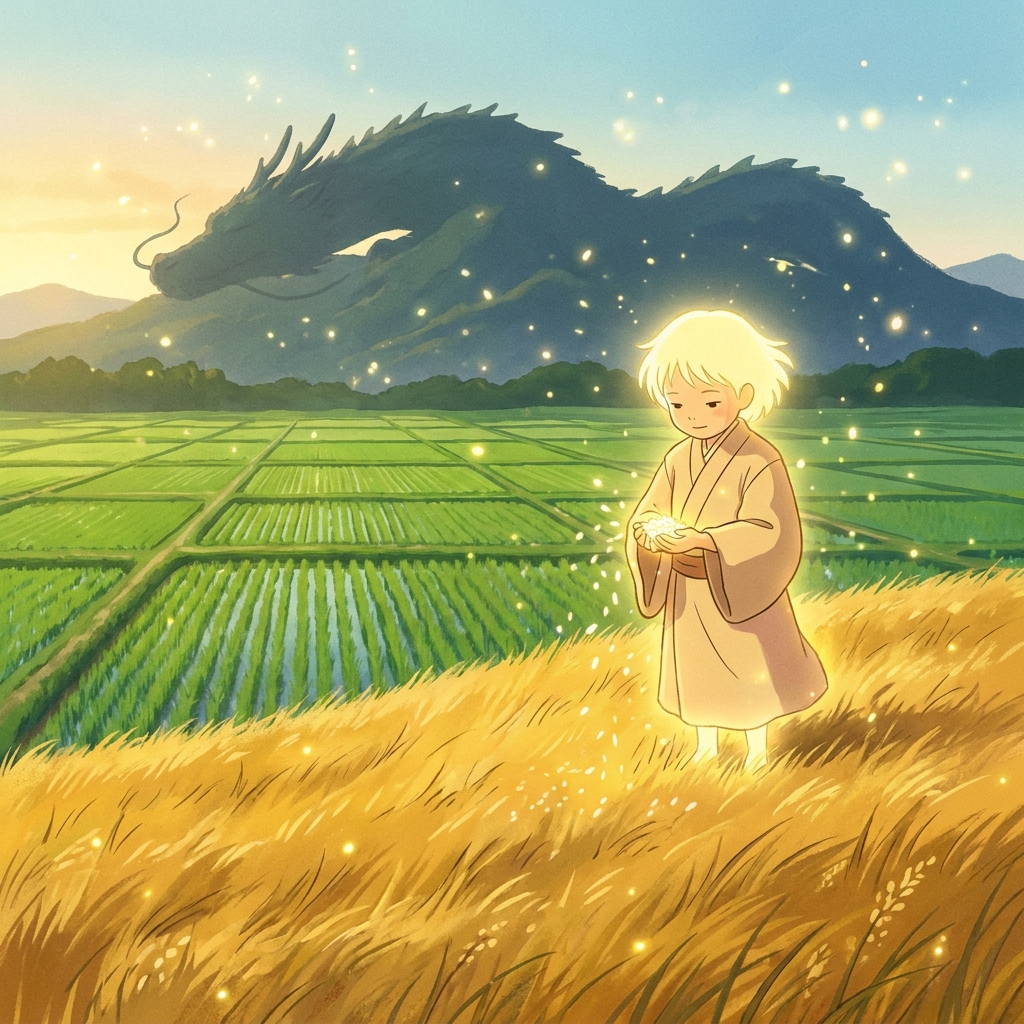
Basic Information
Name: Ikanosuwate-tensho Jinja (also known as Iibonimasu-amaterasu Jinja)
Location: 463 Hiyama, Tatsuno-cho, Tatsuno City, Hyogo Prefecture
Enshrined Kami: Amaterukunitero-hikohakari-no-mikoto
Shrine Rank: Shikinaisha (Myojin Taisha), Former Prefectural Shrine
In Tatsuno City, Hyogo Prefecture, at the edge of a castle town once known as the “Little Kyoto of Harima,” stands an ancient jinja with a unique name: Ikanosuwate-tensho Jinja. Affectionately known by locals as “Ryuza-san,” its history and the stories hidden within its name are surprisingly full of mystery.
The Mystery of the Place Name That Began with “A Single Grain of Rice”
The most distinguishing feature of this jinja is, without a doubt, its unusual name, “Ika” or “Iibo” (meaning ‘grain’). This name is tied to a grand legend that shaped the identity of this region.
According to legend, on New Year’s Day in the second year of Empress Suiko’s reign (594 AD), a dazzlingly radiant child appeared before Ifukube-no-Muraji Fujitahiko, a wealthy local leader. The child introduced himself as “a messenger of Amaterukunitero-hikohakari-no-mikoto” and is said to have bestowed a handful of “rice grains” upon him, declaring:
“If you cultivate these, this land shall prosper for all time.”
When the leader planted the seeds, a thousand cho (approximately 10 square kilometers) of rice paddies appeared overnight, leading to a bountiful harvest with a single grain yielding ten thousandfold. This miracle of the ‘grain’ (iibo) is said to be the origin of the current Ibo District, Ibo River, and the famous Ibonoito somen noodles. It truly is a sacred site that can be called the root of Harima’s food culture.
The Mystery of the “Mountain Where the Dragon Sits” and the Vanished Shrine Building
The mountain where the jinja is located is called Hiyama, but in ancient times, it was also known as Tenjin-yama. Because the shape of this mountain resembled “a dragon crouching and sitting,” the jinja also came to be known as Ryuza Jinja.
However, this jinja also has a tragic history. Despite boasting the highest shrine rank of Myojin Taisha during the Heian period, the shrine buildings were lost at one point due to warfare during the Sengoku period and repeated fires, and its religious ceremonies ceased. The current shrine buildings were reconstructed during the Edo period by the efforts of the Tatsuno feudal lords and local residents. It is also an indomitable power spot, preserved through overcoming times of hardship.
Another Sun Kami Hidden in the Name “Amaterasu”
When people hear “Amaterasu,” many probably think of the goddess of Ise Jingu. However, the enshrined kami here is Amaterukunitero-hikohakari-no-mikoto, a male kami who is the elder brother of Ninigi-no-mikoto, the divine grandson.
In fact, this kami is the ancestral kami of the Owari clan and a kami of agriculture symbolizing the sun’s light. The fact that it enshrines a sun kami of a very ancient lineage, distinct from Amaterasu Omikami of Ise, is one of the mysteries that fascinate history buffs and jinja enthusiasts.
Highlights and Hidden Stories
Stepping into the shrine grounds, the first thing that catches the eye are the numerous old ema (votive tablets) displayed in the haiden (worship hall). Among them are unique ones depicting ‘Tiger Mask,’ which conveys the warmth of a historic jinja beloved by the local community.
The carvings on the honden (main hall) are also exquisite. The dragon carvings and intricate decorations speak to the prestige of the former Tatsuno domain, under whose authority the hall was constructed. Located on a hill, the shrine grounds offer a panoramic view of Tatsuno’s castle town, and at sunset, you can enjoy a beautiful scene as the entire town is bathed in golden light.
This land holds the memory of abundance that began with a single grain of rice. When you visit Tatsuno City, why not pay a visit to this mysterious kami of the ‘grain’ and offer thanks for your daily blessings?
Related Links / References
[1] https://ameblo.jp/yukibayonetta/entry-12438586756.html
[2] https://tatsuno-tourism.jp/photo-spot/%E7%B2%92%E5%9D%90%E5%A4%A9%E7%85%A7%E7%A5%9E%E7%A4%BE%E6%92%AD%E7%A3%A8%E4%B8%89%E5%A4%A7%E7%A4%BE/
[3] https://ameblo.jp/0313happy/entry-12829511993.html
[4] https://sanda-fujigaoka.com/2025/01/08/26515
[5] https://jinjanews.com/ja/%E9%BE%8D%E9%87%8E%E3%81%AE%E5%AE%88%E3%82%8A%E7%A5%9E%E3%80%81%E7%B2%92%E5%9D%90%E5%A4%A9%E7%85%A7%E7%A5%9E%E7%A4%BE%EF%BC%9A%E6%92%AD%E7%A3%A8%E3%81%AE%E5%9C%B0%E3%81%AB%E8%BC%9D%E3%81%8F%E6%AD%B4/
[6] https://ja.wikipedia.org/wiki/%E7%B2%92%E5%9D%90%E5%A4%A9%E7%85%A7%E7%A5%9E%E7%A4%BE
[7] https://www.hyogo-jinjacho.com/data/6318001.html
[8] https://note.com/yanma_travel/n/n7b166e5a59d9
[9] http://www.norichan.jp/jinja/hitokoto2/ibonimasu.htm
[10] https://kotobank.jp/word/%E7%B2%92%E5%9D%90%E5%A4%A9%E7%85%A7%E7%A5%9E%E7%A4%BE-3080576