 By ando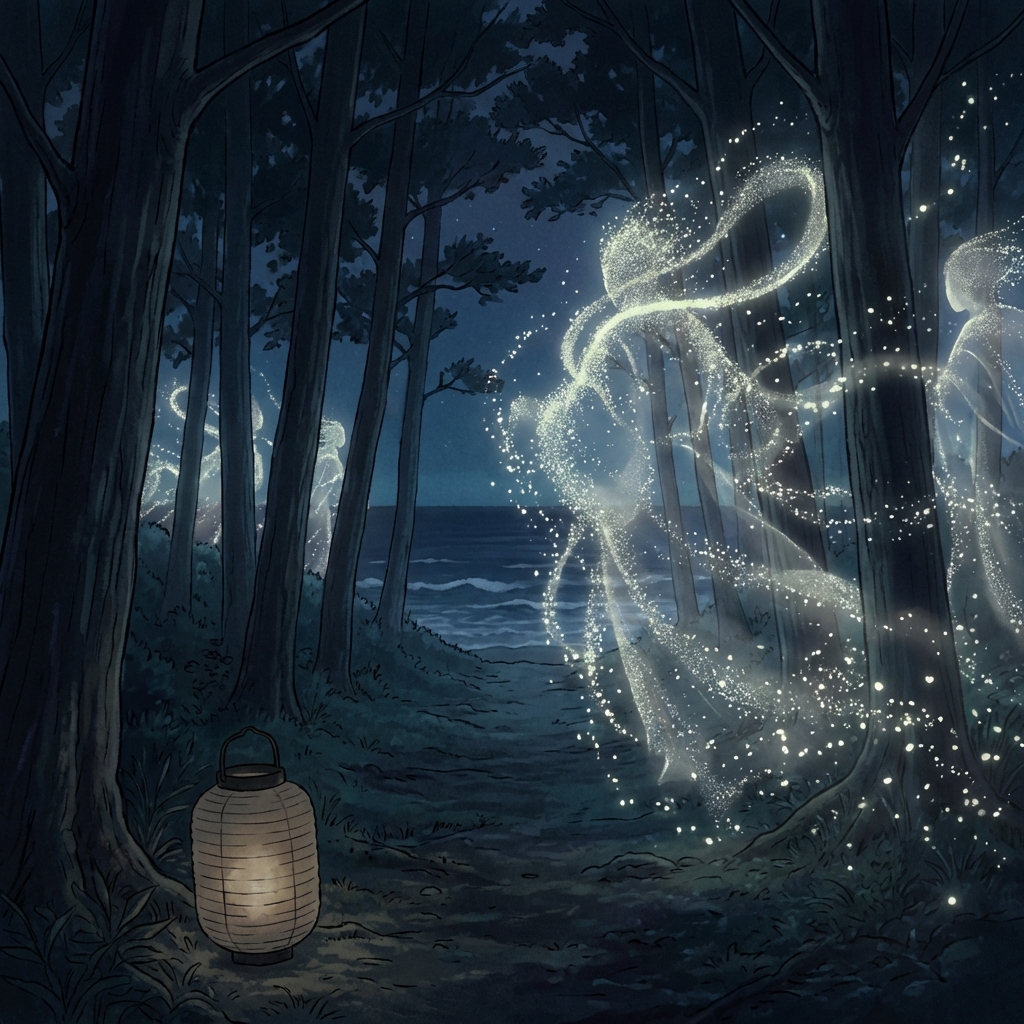
Basic Information
Name: Shinmei Jinja (Commonly known as Shinojima Shinmei Jinja)
Location: 101 Kobe, Shinojima-Oaza, Minamichita-cho, Chita-gun, Aichi Prefecture
Enshrined Kami: Otsuchimiya-no-kami, Ootoshi-no-kami, Uka-no-mitama-no-kami
Access: From Morozaki Port or Kowa Port, take a high-speed ferry to Shinojima Island. From Shinojima Port, it is about a 10-15 minute walk.
The Unique Shrine Building Built from Ise Jingu’s “Hand-me-downs”
Shinmei Jinja, located on Shinojima Island, a remote island in Minamichita, has a remarkably unique history among the many Shinmei shrines across Japan. Its biggest mystery and distinguishing feature is its deep connection to Ise Jingu’s Shikinen Sengu, the ceremonial rebuilding of shrines that occurs every 20 years.
In fact, for over 1200 years, a tradition has continued where dismantled old timbers from Ise Jingu’s Inner Shrine (Naiku, specifically the East or West Hoden, which are the main treasure halls) are bestowed upon Shinojima and “relocated” to become the shrine building of Shinmei Jinja. This means that the shrine building here is literally “the very building that once stood next to the main sanctuary of Ise Jingu.” Furthermore, the old timbers used at Shinmei Jinja for 20 years are then passed on to the adjacent Hachioji-sha, where they are used for another 20 years. Here lies a magnificent story of recycling: a single piece of timber continues to protect sacred precincts for a total of 60 years – 20 years at Ise and 40 years on Shinojima.
The Legend of “Onbedai” (Sacred Sea Bream) Enduring for Over 1000 Years
Shinojima has been designated since ancient times as a “miniedokoro,” meaning a place for offering food to the kami. This tradition dates back to the legend of Princess Yamatohime-no-mikoto, daughter of the 11th Emperor Suinin.
It is said that when Princess Yamatohime-no-mikoto, who was traveling in search of a place to enshrine Amaterasu Omikami, stopped at Shinojima, she was so moved by the deliciousness of the sea bream offered by the islanders that she commanded, “Offer this sea bream to the kami of Ise as well.” Since then, for over 1000 years, the ritual of Shinojima fishermen offering “Onbedai” (salted sea bream) to Ise Jingu has continued without fail.
“Never to Be Seen”: A Taboo Ritual Where the Island is Shrouded in Darkness
Shinmei Jinja also holds a mysterious Shinto ritual that is strictly observed to this day: the “Owatari-sama” (Sacred Crossing) held on the night of January 3rd every year.
On this night, the kami of Hachioji-sha are moved to Shinmei Jinja. During this time, all streetlights and house lights across the island are extinguished, plunging the entire island into complete darkness. Islanders believe that “those who see the kami will be blinded,” and they remain quietly indoors without peeking outside. Even in modern times, this ceremony, carried out with the cooperation of the power company to temporarily cut off electricity to the entire island, is truly a “living myth.”
Pilgrimage Information: As a Setting for the Anime “The Quintessential Quintuplets ∽”
Shinojima is also known as a setting for the popular anime “The Quintessential Quintuplets ∽” (special episode). In the show, Futaro Uesugi and the Nakano quintuplets are depicted visiting this island for their graduation trip.
Shinmei Jinja and its surrounding landscapes, as well as the island’s unique narrow alleys, are faithfully reproduced, making it a “sacred spot” for fans. In particular, it is believed that visiting both Shinmei Jinja and its counterpart, Hachioji-sha, brings blessings for finding love and strong bonds. Many fans visit this spot to feel the theme of “kizuna” (bonds) from the work.
An Insider’s Tip for Worship: The “Miya-meguri” to Visit Before Ise Jingu
During the Edo period, when Ise pilgrimages were popular, devout worshipers commonly performed a “Miya-meguri” (shrine tour) by stopping at Shinojima’s Shinmei Jinja before heading to Ise. It is said that if the weather was bad and they couldn’t cross to the island, they would pray from Futamiura in Ise, facing the direction of Shinojima.
Even today, it is said that visiting this island before visiting Ise Jingu is a savvy way to receive deeper blessings. The entire island is enveloped in a mysterious atmosphere, like a power spot. Simply stepping foot on it will allow you to feel a sacred time, disconnected from everyday life.
Related Links and References
Ancient Power Spot | Shinojima Kanko Hotel Osumi, Chita Peninsula
Shinmei Jinja (Shinojima)
501 Not Implemented
Shinojima: Over 1000 Years of History, Transmission of Traditional Techniques
New Year’s Festival / Daimyo Procession | Shinojima Festivals
Shinmei Jinja (Minamichita-cho Shinojima) – Wikipedia
Furatto Minamichita | Minamichita Town Tourism Association
Shinmei Jinja | Official Aichi Prefecture Tourism Site Aichi Now