 By ando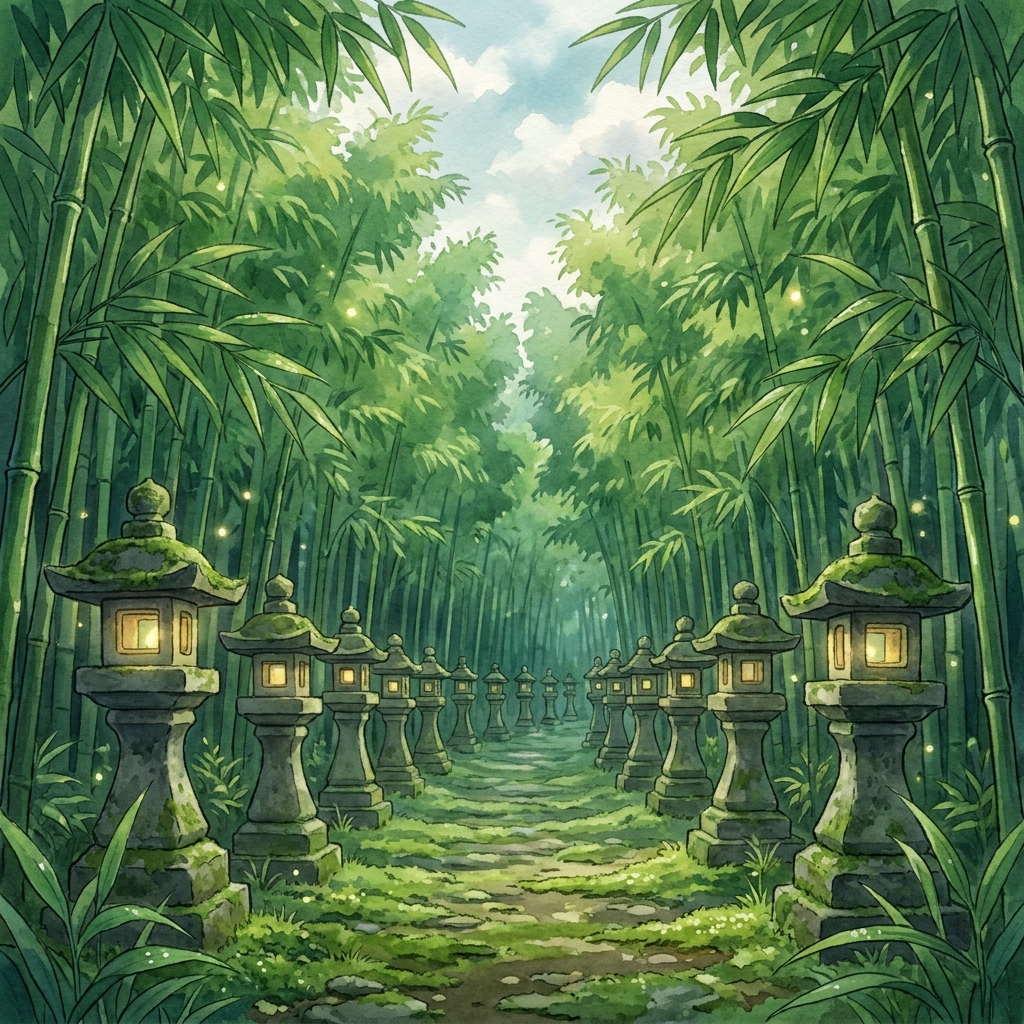
Inano Jinja, located in Itami City, Hyogo Prefecture, at the northernmost point of what was once Arioka Castle (Itami Castle), is far more than just a local guardian kami. It is a historical mystery spot where the turmoil of the Sengoku period, the prosperity of the Edo period, and the romance of ancient times are intertwined in multiple layers.
Basic Information
Location: 3-6-1 Miyanomae, Itami City, Hyogo Prefecture
Main Kami (Deities enshrined): Inanonomasu Ohkami, Susanoo-no-mikoto
Divine Blessings: Protection from evil, matchmaking, business prosperity, luck in competitions
Sengoku Mystery: Its Role as Arioka Castle’s Kishi Fort
As you walk through the grounds of Inano Jinja, you might sense a certain fortified feel. And for good reason: this was the site of Kishi no Toride (Kishi Fort), the northern defense of Arioka Castle, built by Sengoku warlord Araki Murashige.
Arioka Castle is known as one of Japan’s oldest “sogamae” (total defense) castles, enclosing the entire town with moats and earthworks. The jinja, as a crucial stronghold at the castle’s northernmost tip, played a military role. What were the thoughts of Murashige, who raised a rebellion against Oda Nobunaga, as he tried to defend this land to the death…? In the tranquility of the shrine grounds, one can almost feel the echoes of past battles. There is even a theory that terrain resembling the remnants of those earthworks still remains behind the shrine grounds today, making it an irresistible hidden gem for castle enthusiasts.
A Fascinating Backstory: Over 90 Stone Lanterns and the Power of Sake
You will be overwhelmed by the sheer number of stone lanterns (ishidoro) lining the approach to the shrine, but these are actually valuable historical records that tell the story of Itami’s prosperity during the Edo period.
At that time, Itami was the birthplace of sake and the production center for “Itami-zake,” a highly popular sake in Edo. Many of these lanterns were donated by sake brewers who had amassed immense wealth. With over 90 lanterns, it is said to be rare for a jinja anywhere in Japan to have so many magnificent lanterns lined up. Tracing the names of the donors carved into the lanterns reveals the power dynamics of the economic world at the time, offering a fascinating backstory for history buffs.
The Legendary Dohyo: Why is there a Sumo Ring on the Shrine Grounds?
Within the grounds of Inano Jinja, there is a magnificent roofed sumo ring (dohyo). In fact, Itami was a place where “Kanjin Sumo” (the precursor to professional sumo) flourished during the Edo period.
This particular sumo ring at Inano Jinja has a history of famous sumo wrestlers stepping onto its dohyo in those days, and even today, children’s sumo and other sumo events are offered as a dedication during the annual Autumn Grand Festival (Reitaisai) in October. The fact that such an authentic sumo ring remains on the shrine grounds is proof that this area was once a center of culture and entertainment.
Man’yo Romance: The Vanished Inano no Sasahara
The area around the jinja was known as “Inano no Mori” (Inano Forest), and in ancient times, it was a utamakura (place famous in poetry) featured in collections like the Man’yoshu and Kokin Wakashu.
It is also famous for the Hyakunin Isshu poem (by Daini no Sanmi) that begins, “Arima-yama Inano no Sasahara kaze fukeba…” (If the wind blows through the bamboo grass of Inano Field on Mount Arima…). However, the vast bamboo grass field of yesteryear has now become a residential area. Only the shrine grounds, however, remain enveloped in deep greenery, preserving the atmosphere of that era. The ability to experience a strange sensation, like an “entrance to ancient times” nestled in the middle of a city, is the hidden charm of this jinja.
Inano Jinja, which has weathered the tumultuous waves of history and continues to watch over the city of Itami even today. When you visit, if you pay attention to the remnants of the earthworks beneath your feet or the characters carved into the lanterns, you are sure to make interesting discoveries not found in textbooks.
Related Links / References
No sources available.