 By ando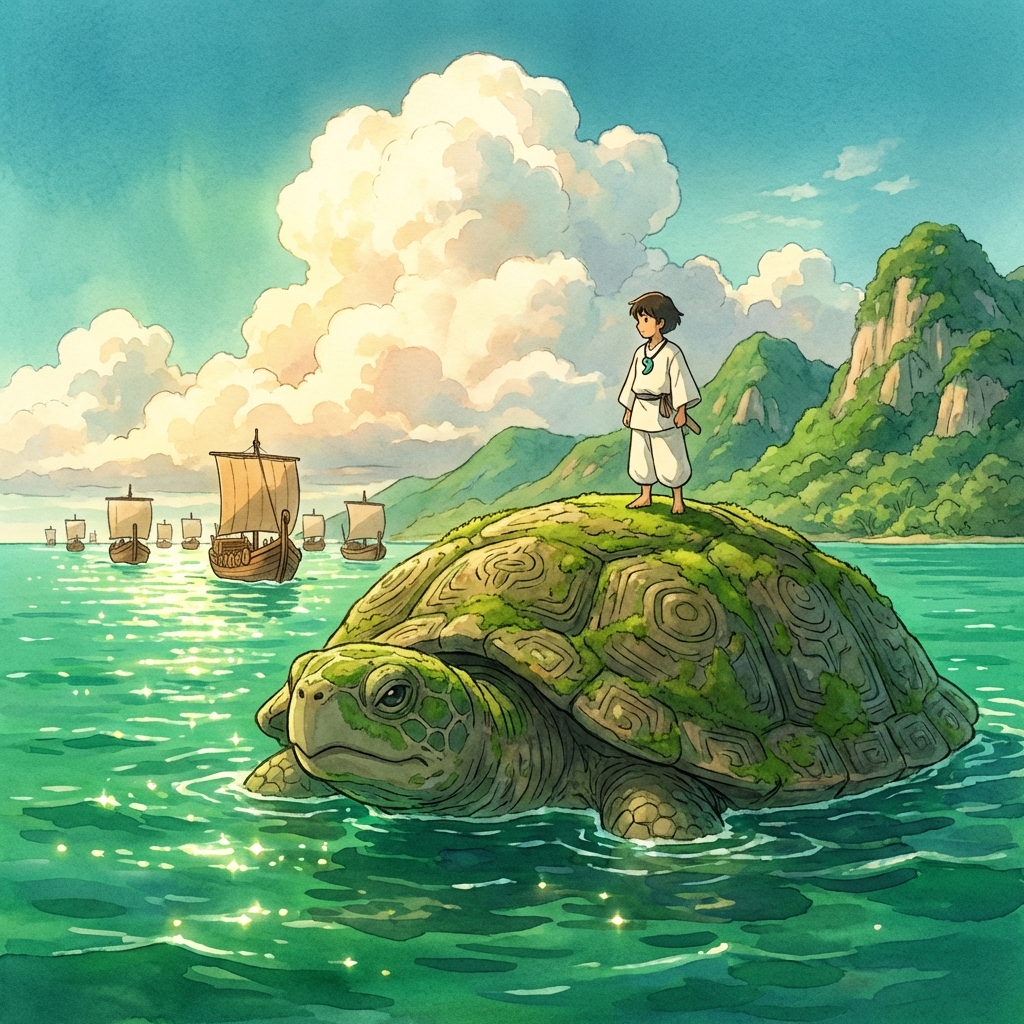
Basic Information
Name: Ani Jinja (Ani Shrine)
Location: Ichirenji, Saidaiji, Higashi Ward, Okayama City, Okayama Prefecture (formerly Saidaiji Kameishi)
Main Kami: Itsuse no Mikoto, Inahi no Mikoto, Mikeirinu no Mikoto
Note: The three elder brothers of Emperor Jinmu are enshrined as the main kami, along with Emperor Jinmu and Tamayorihime no Mikoto, totaling five kami.
Shrine Rank: Kokuhei Chusha (National Shrine, Middle Rank), Bizen Province Ichinomiya (former Ichinomiya)
The Mystery of the “Former Ichinomiya” That Vanished from the Stage of History
When discussing Ani Jinja, one cannot overlook the mystery surrounding the “Ichinomiya” (first shrine) of Bizen Province (present-day eastern Okayama Prefecture). Today, Ishigami Futsunomitama Jinja and Kibitsuhiko Jinja are known as the Ichinomiya of Bizen Province. However, in the Engishiki Jinmyocho (Register of Shrines in the Engi Era) from the Heian period, Ani Jinja was ranked as the only Myojin Taisha (Great Shrine of Renowned Kami) in Bizen Province, holding the highest position.
Later, however, it yielded this status to Kibitsuhiko Jinja. Why did such a prestigious jinja step down from its position as Ichinomiya? It is said that the shadows of ancient history lie hidden here, including power dynamics with the central government and shifts in the influence of the Kibi clan. Among history enthusiasts, it has become a fascinating spot, known as the “erased Ichinomiya.”
The Name “Ani” Narrating the Fierce Battles of Emperor Jinmu’s Eastern Expedition
The shrine’s name, “Ani,” originates from the fact that Emperor Jinmu’s “ani” (elder brothers) are enshrined here. According to legend, during Emperor Jinmu’s Eastern Expedition, the party stayed in the Kibi region for several years. It is said that Itsuse no Mikoto and his brothers used this area as a base to pacify the surrounding region.
However, Itsuse no Mikoto was wounded by an arrow in a later battle and met an untimely death. Ani Jinja is believed to have been built to console the spirits of the elder brothers who fell before achieving their goals. The shrine grounds have a solemn and tranquil atmosphere, as if commemorating these tragic heroes.
The Legend of “Kameishi,” a Sacred Site Floating in the Sea
As a detached shrine of Ani Jinja, there is Kameishi Jinja near the coast. Here, a turtle-shaped megalith is enshrined, bearing a legend that Uzuhiko, who guided Emperor Jinmu’s Eastern Expedition, appeared riding on a turtle.
This Kameishi stone appears to float on the sea when the tide comes in and has been worshipped since ancient times as a guardian deity for safe voyages. When visiting Ani Jinja, extending your trip to Kameishi is considered the proper way to experience the area. Gazing at the megalith while being caressed by the sea breeze, one can almost envision ancient heroes leading their fleet across these waters.
Insider Story: The Little-Known Divine Protection for Directional Misfortune
Ani Jinja is rumored to possess powerful protective properties related to “kimon” (unlucky directions) and general “directions” due to its location. There is a theory that, in the past, it played a crucial role as a key point to ward off disasters, situated in an important direction relative to the political center of Bizen Province. Even today, worshippers seeking protection from misfortune or directional ill-luck travel from afar, drawn by the overwhelming “power of this ancient shrine.”
Anime Pilgrimage Information
Currently, no specific anime works directly feature Ani Jinja as their setting. However, fans visiting Okayama for anime pilgrimages related to works set in Okayama Prefecture (such as “If My Favorite Pop Idol Makes it to the Budokan, I’m Gonna Die” or the “Tenchi Muyo!” series) are increasingly drawn to Ani Jinja due to its historical background and the unique name “Ani” (brother). For fans who particularly enjoy works based on ancient history and mythology, it can be considered a “hidden sacred site” that is a must-visit, alongside Kibitsu Jinja.
Related Links / References
No sources available.