 By ando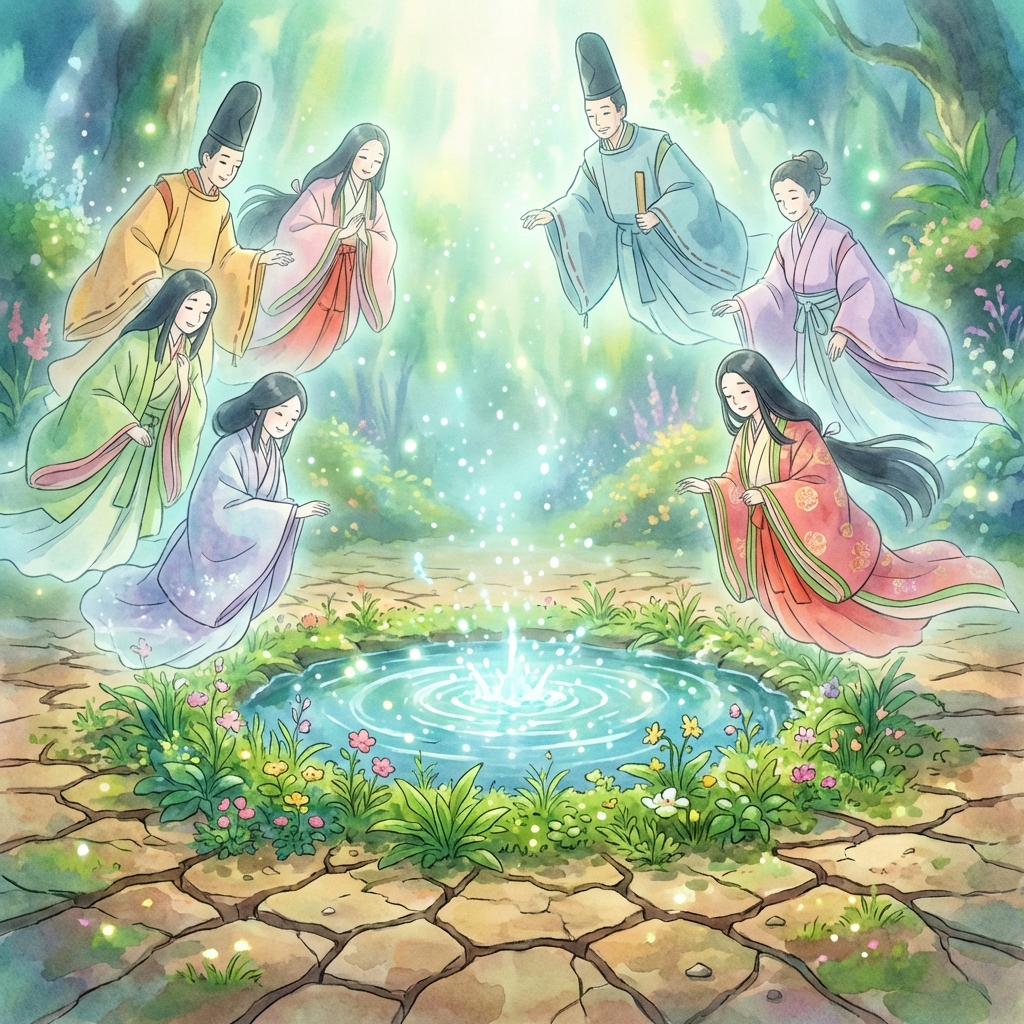
As you walk along Teramachi-dori Street in Kyoto, you’ll suddenly encounter the magnificent Shimogoryo jinja. This shrine was founded to appease “onryo” (vengeful spirits) that once terrified the ancient capital, making it one of Kyoto’s most mysterious spots. This article will introduce the legends and fascinating stories hidden within this jinja.
Basic Information
Location: Teramachi-dori Marutamachi Sagaru, Nakagyo-ku, Kyoto City, Kyoto Prefecture
Enshrined kami: Hassho Goryo (the Eight Vengeful Spirits): Emperor Sudo, Imperial Prince Iyo, Fujiwara no Yoshiko, Fujiwara no Hirotsugu, Tachibana no Hayanari, Funya no Miyatamaro, Kibi no Makibi, and Karai Tenjin.
Access: Approx. 10-minute walk from Marutamachi Station (Karasuma Line, Subway) or Jingu-Marutamachi Station (Keihan Line).
—
1. Heian-era Wisdom: Transforming Dreaded ‘Onryo’ into Kami
The most remarkable feature of Shimogoryo jinja is that the kami enshrined here were once people feared as “onryo” (vengeful spirits).
During the Heian period, it was believed that the anger of nobles who were entangled in political strife, unjustly accused, and met tragic deaths would cause epidemics and natural disasters. To appease this anger, “Goryo-e” (spirit appeasement ceremonies) were held.
The current main enshrined kami are the “Hassho Goryo” (Eight Vengeful Spirits), which include the six kami enshrined at the first official Goryo-e held at Shinsen-en Garden in Jogan 5 (863 CE), with two more added. This represents a unique Kyoto form of belief, where those once considered “cursing kami” were transformed into “guardian kami” through diligent veneration.
2. The Miracle of ‘Goryosui’ Spring Water, Revealed in a Dream
Within the shrine grounds, “Goryosui” (sacred spring water) still flows abundantly. A fascinating legend from the Edo period surrounds this water.
In Meiwa 7 (1770), Kyoto was struck by a severe drought. In a dream, a kami appeared to Izumoji Sadanao, the head priest at the time, and gave him a divine message: “Dig here within the shrine grounds, and pure water will emerge.” When he dug, abundant water indeed sprang forth, saving the townspeople.
This water is also known as “Kannosui.” Although it once dried up, it was pumped up again from 150 meters underground in Heisei 3 (1991). Today, visitors can freely take the water home, and its mellow taste is loved by locals, who say it’s perfect for coffee and cooking.
3. A Deep Connection to the Imperial Family: Secrets Hidden in the Main Hall
The main hall (honden) of Shimogoryo jinja is, in fact, an extremely valuable building. The current honden was relocated here in Kansei 3 (1791) during the Edo period, having previously served as the “Kashikodokoro” of a temporary imperial palace.
The Kashikodokoro is one of the most sacred places within the Imperial Palace, where Amaterasu Omikami, the Imperial Ancestor kami, is enshrined. This means that the very building once worshipped by the Emperor now stands at Shimogoryo jinja. This demonstrates the profound reverence the Imperial Family held for it as the “ubusunagami” (local guardian kami) of the Kyoto Imperial Palace.
4. A Pilgrimage Site: Featured in the Anime ‘Holmes of Kyoto’
Shimogoryo jinja also appears in the popular anime series ‘Holmes of Kyoto’ (Kyoto Teramachi Sanjo no Holmes), which is set in Kyoto.
Given that the antique shop ‘Kura,’ central to the story, is located on Teramachi-dori Street, the jinja is depicted as part of the surrounding scenery. The tranquil atmosphere of its grounds and the historically rich appearance of its torii gate perfectly capture the anime’s aesthetic. It has become a pilgrimage site for many fans, who follow the walking route along Teramachi-dori that the protagonists took.
—
Shimogoryo jinja is filled with the energy of “transforming negative into positive” by appeasing vengeful spirits.
Despite being amidst the urban bustle, you’ll feel the atmosphere change the moment you step inside. Why not ponder the hidden side of history and quench your thirst with the miraculous Goryosui?
Related Links and References