
 By ando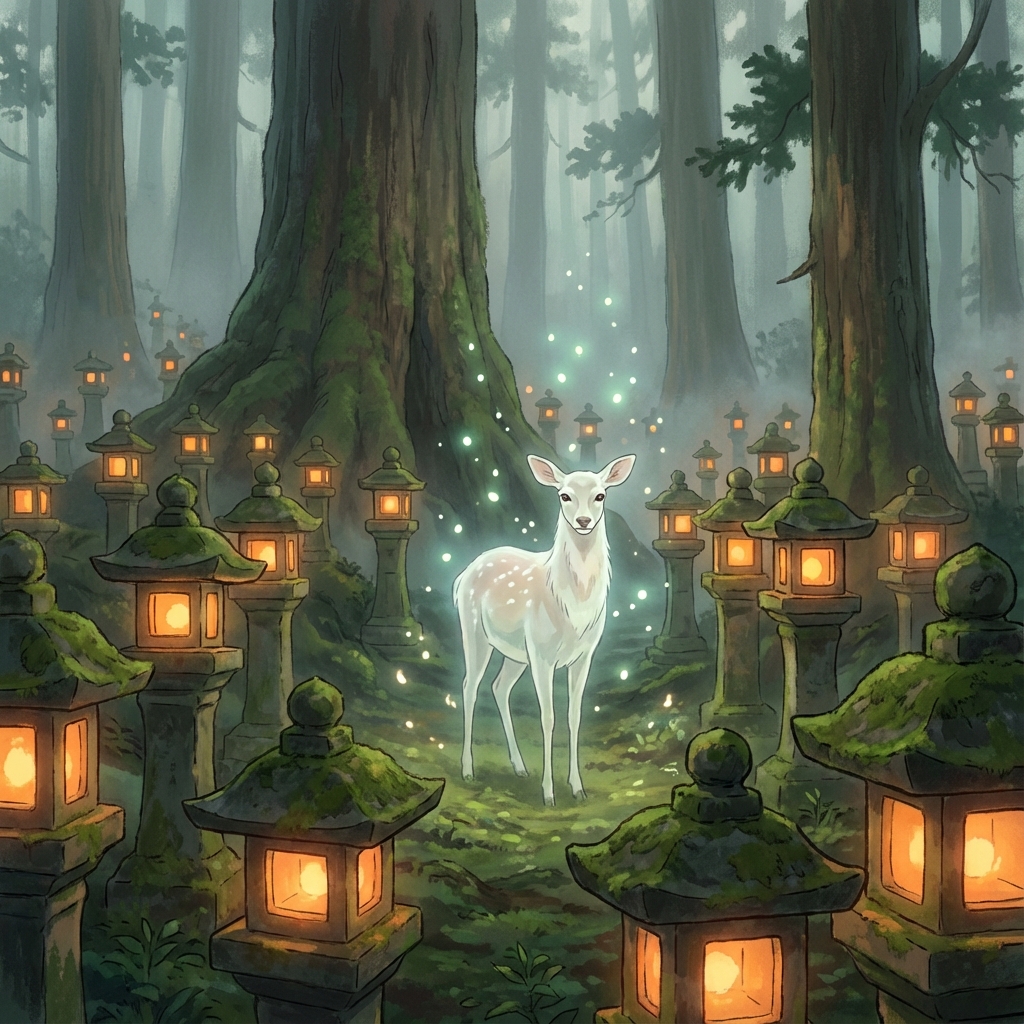
Basic Information
Kasuga Taisha, located in Nara City, Nara Prefecture, was founded approximately 1300 years ago during the Nara period in 768 AD. It was established to pray for the protection of Heijo-kyo, the ancient capital, and the prosperity of the nation. It is the head jinja of approximately 3,000 Kasuga jinja nationwide and is one of the component sites of the UNESCO World Heritage “Historic Monuments of Ancient Nara.” Kasuga Taisha enshrines the ujigami, or clan deity, of the Fujiwara clan. Its vibrant vermillion-lacquered shrine buildings and the sacred atmosphere surrounded by ancient forests awe visitors.
Legend of the Divine Messenger “White Deer”
The deer is a symbol of Kasuga Taisha, and it has a grand legend behind it. It is said that at the time of its founding, Takemikazuchi no Mikoto, the enshrined kami of the First Sanctuary, arrived riding a white deer from Kashima Jingu in Ibaraki Prefecture. Due to this legend, the deer of Nara came to be carefully protected as “divine messengers” (shinroku). Even today, the deer living around Nara Park are cherished as descendants of this myth.
Three Thousand Lanterns and the Mystery of “Becoming a Millionaire Overnight”
Within the shrine precincts, approximately 3,000 lanterns (2,000 stone lanterns and 1,000 hanging lanterns) donated from the Heian period to the present day are lined up. It is said that this is the largest number of lanterns in Japan, and there is a secret story that you can “become a millionaire overnight.” The legend says that if you can find three specific lanterns engraved with “Kasuga Daimyojin” among the vast number of lanterns within the precincts in a single night, you will become wealthy. While it sounds like a romantic treasure hunt, the shrine precincts at night are a sacred area. Perhaps searching for them amidst the fantastical lights during the “Mantoro” (Lantern Festival) events held during Setsubun and Obon could be an interesting experience.
“The Shosoin of Heian” and the Discovery in the Attic
Kasuga Taisha houses approximately 3,000 National Treasures and Important Cultural Properties, earning it the title “Shosoin of Heian.” Amazingly, recent investigations have uncovered many mysteries, such as the discovery of Heian period swords in the attic of the Treasure House. Furthermore, the “Shikinen Zotai” (reconstruction of shrine buildings), which rebuilds the shrine buildings every 20 years, has continued for over 1200 years alongside Ise Jingu, constantly maintaining a pure and sacred power.
Meoto Daikokusha: Strongest Matchmaking Spot
Meoto Daikokusha, located on the south side of the precincts, is the only jinja in Japan that enshrines the married kami, Okuninushi no Mikoto and Suserihime no Mikoto. It is known as a powerful spot for matchmaking and marital harmony, and its heart-shaped ema (votive tablets) and “mizu-urami” (water fortune-telling), where characters appear when dipped in water, are immensely popular among female visitors.
Anime Pilgrimage Information
Kasuga Taisha and the surrounding Nara Park area have served as settings and models for many anime works.
Fruits Basket features scenes where protagonist Tohru and her friends visit on a school trip, depicting the vermillion corridors and interactions with deer. Shikanoko Nokonoko Nokokoshi Tantant, a work that gained popularity in 2024, features real-life footage of Nara Park and the Kasuga Taisha area in its ending animation, truly showcasing its presence as a “sacred place of deer.” Beyond the Boundary uses Nara City as its main model, with the approach to Kasuga Taisha and surrounding landscapes depicted in the work’s unique fantastical atmosphere.
Kasuga Taisha is where history, legend, and modern pop culture intersect. Step inside, and you will surely feel the power of this “sacred area” that has been protected for over 1300 years.