 By ando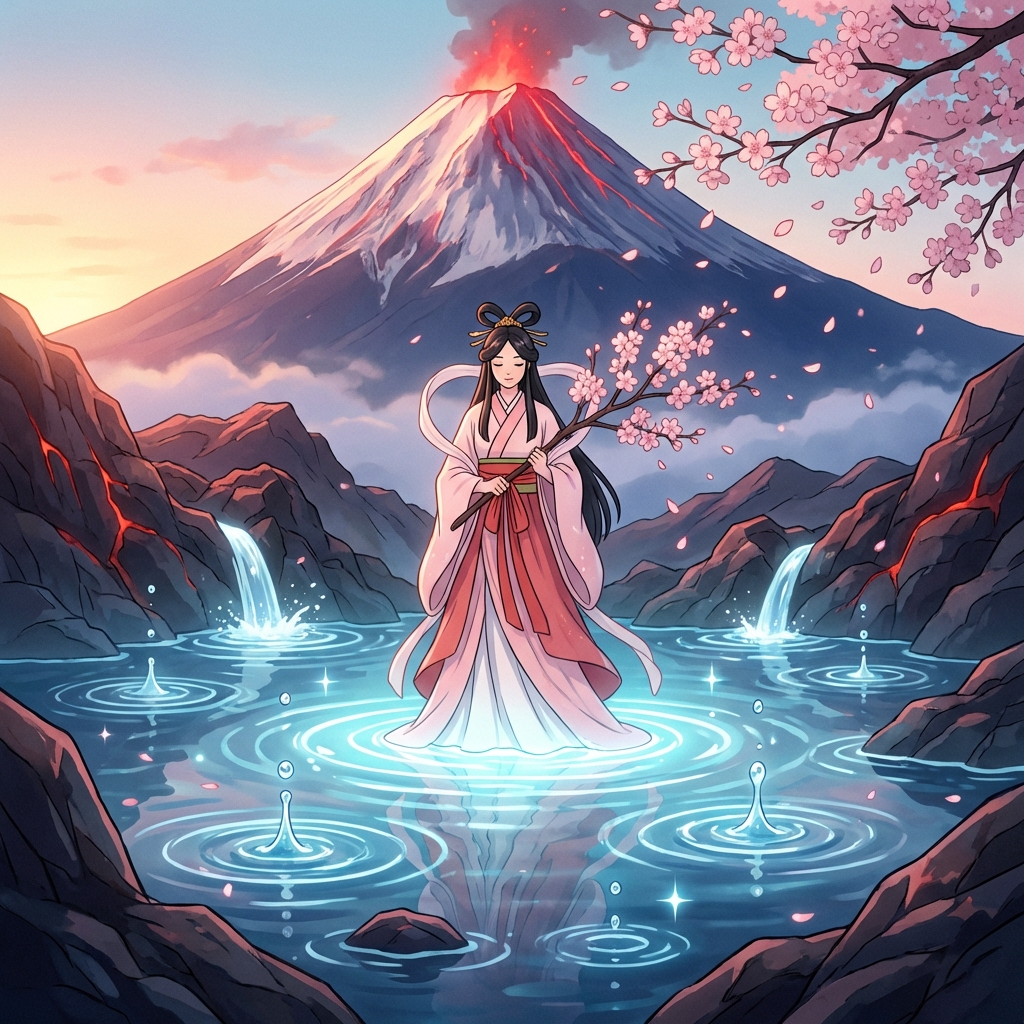
Basic Information
Name: Fujisan Hongu Sengen Taisha (Fujisan Hongu Sengen Taisha)
Location: 1-1 Miyacho, Fujinomiya City, Shizuoka Prefecture
Main enshrined kami: Konohanasakuya-hime no Mikoto
History/Background: Fujisan Hongu Sengen Taisha is the head shrine (sohonja) of over 1,300 Sengen jinja shrines nationwide, and it enshrines Mount Fuji itself as its sacred kami. It is also one of the component parts of the UNESCO World Cultural Heritage site “Mount Fuji: Sacred Place and Source of Artistic Inspiration.”
Divine Blessings: Protection from fire, safe childbirth, family harmony, safe voyages, and more.
Mount Fuji’s Summit is “Private Property”!? Surprising Backstories and Mysteries
Fujisan Hongu Sengen Taisha is home to many surprising stories and legends known to those who delve into its history.
1. Mount Fuji’s Summit (Above the 8th Station) Belongs to the Shrine
Surprisingly, Mount Fuji’s summit (above the 8th station) is not national or public land; it is Fujisan Hongu Sengen Taisha’s “private property.” This originated from a donation by Tokugawa Ieyasu, who founded the Edo shogunate, as an expression of gratitude for his victory in the Battle of Sekigahara. Although it was nationalized once during the Meiji period, after a long legal battle, it was officially returned to the jinja as its land in 2004.
2. Devised by Tokugawa Ieyasu? The One-of-a-Kind “Sengen-zukuri” Architecture
The main hall (honden) was built by Tokugawa Ieyasu in Keicho 9 (1604) and is designated as an Important Cultural Property of Japan. Particularly noteworthy is the unusual two-story structure known as “Sengen-zukuri” (sengen-zukuri). The first floor is said to represent Mount Fuji itself, while the second floor symbolizes the sacred world where the kami resides at the summit, showcasing Ieyasu’s deep faith and artistic sensibility.
3. Wakutama-ike Pond: Springing Forth After 20 Years
Wakutama-ike Pond, located within the shrine grounds, is said to be fed by snowmelt from Mount Fuji, which filters through lava rock for approximately 20 years before emerging. In the past, Mount Fuji pilgrims would perform misogi (ritual purification) in this pond before ascending the mountain. About 2.4 tons of water gush out every second, and its transparency is mystical. Heian period poet Taira no Kanemori even composed a waka poem praising its beauty.
4. The Power of “Water” to Quell Eruptions
One theory suggests that the primary reason Sengen Taisha was built in its current location was the presence of Wakutama-ike Pond. In ancient times, when Mount Fuji erupted violently, it was believed that the abundant power of “water” was needed to quell the “fire” of the volcano. By enshrining Konohanasakuya-hime no Mikoto, a kami with the divine virtue of water, they sought to calm the raging Mount Fuji.
Anime Pilgrimage Information: Walking Through the World of “Yuru Camp”
Fujisan Hongu Sengen Taisha is also famous as a pilgrimage site featured in Episode 7 of the hugely popular camping anime, “Yuru Camp Season 2.”
Nadeshiko’s Solo Camp Prayer: When Nadeshiko Kagamihara, one of the protagonists, embarks on her first solo camping trip, she stops at this jinja along the way. The anime depicts her marveling at the large red torii gate and praying at the main hall for the success of her solo camp.
Enjoying Gourmet Food at Omiya Yokocho: Omiya Yokocho, located directly in front of the jinja, also appears in the anime. The Fujinomiya yakisoba that Nadeshiko enjoyed so deliciously is a must-try gourmet staple for pilgrimage fans. You can also experience the bench where she sat and the atmosphere of the shops just as they appeared in the anime.
Feeling the overwhelming energy of Mount Fuji, contemplating historical mysteries, and reliving scenes from the anime— Fujisan Hongu Sengen Taisha offers such a luxurious and enriching visiting experience.
Related Links and References