 By ando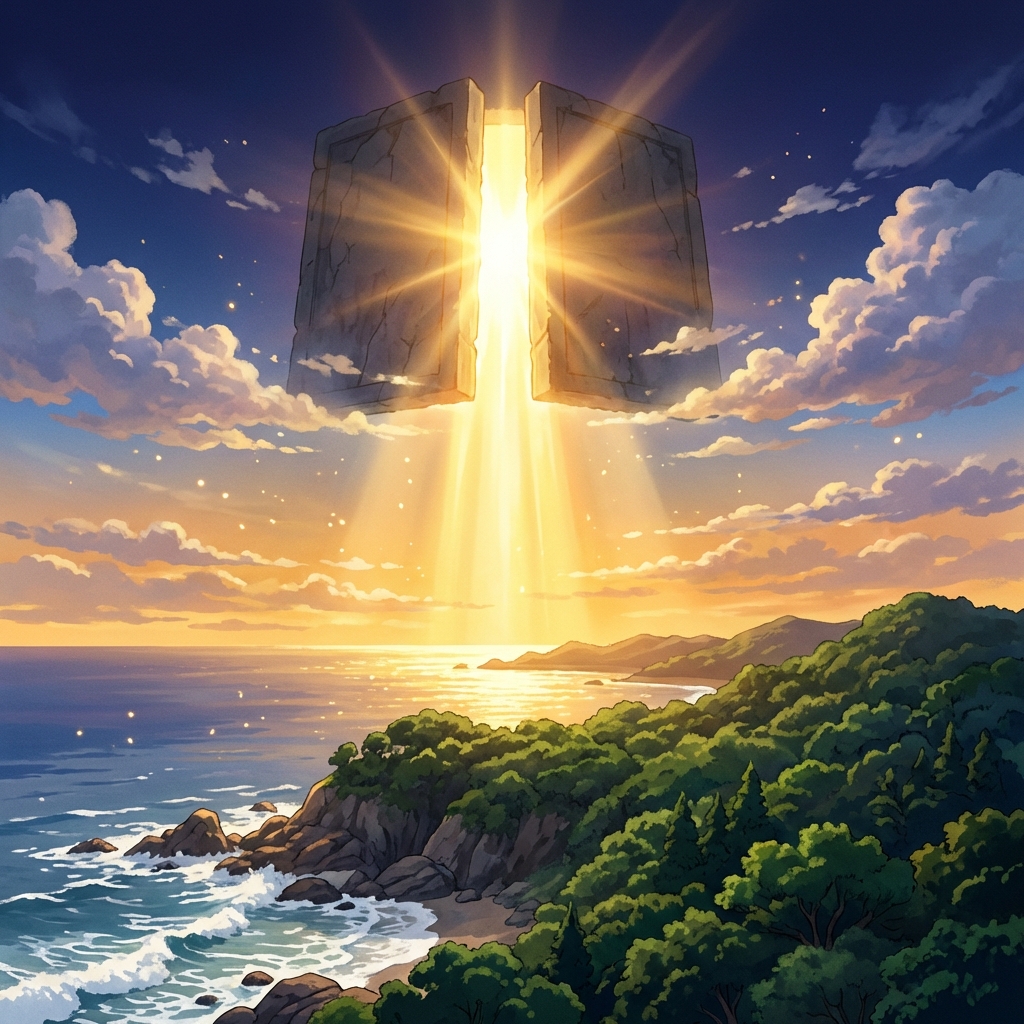
Basic Information
Location: 974 Amazumi, Wakamatsu-ku, Kitakyushu City, Fukuoka Prefecture
Enshrined Kami: Amenotajikarao-no-Okami, Amenokoyane-no-Okami
Divine Blessings: Good fortune, success in competitions, career advancement, good health, improvement in skills and arts.
The Story Behind the Name ‘Toake’ and the Legend of Amano-Iwato
The most distinguishing feature of Toake jinja is the grand mythological episode etched into its very name. In the “Amano-Iwato Hideaway” legend of Japanese mythology, Amenotajikarao-no-Okami was the kami who powerfully pushed open the rock door, while Amenokoyane-no-Okami recited beautiful norito (Shinto prayers) in front of it.
According to shrine tradition, the name “Toake” (meaning “door open” or “door light”) was given because the “divine light” (akari) that spilled out the moment the rock door opened reached this distant land of Wakamatsu. It is a jinja that truly symbolizes that “moment of hope” when light returned to a world enveloped in darkness.
The Mystery of the “Kami of Strength” Visited by Sumo Wrestlers
The enshrined kami, Amenotajikarao-no-Okami, is known as the “Kami of Strength,” boasting unparalleled power among the kami. Seeking his divine blessings, people known for their strength and those in competitive professions have revered him since ancient times.
In fact, this place is also known among sumo wrestling fans as a “sacred site for praying for victory.” It is famous for being visited annually by sumo wrestlers and stable masters from the Sadogatake stable, including former Ozeki Kaio-zeki, who hails from Nogata City, before the Kyushu Basho (tournament). The shrine grounds are filled with powerful energy, and it is said that visiting when facing a crucial challenge in life will lead the kami to forcefully open the “door of your life.”
A Sacred Site of “Doors” Noticed by Fans of the Anime ‘Suzume no Tojimari’
While not officially announced as a model location, since the release of director Makoto Shinkai’s anime film ‘Suzume no Tojimari,’ it has quietly gained attention among fans as a sacred site associated with “doors.”
In contrast to the film’s theme of “closing doors” (Tojimari), this jinja has the opposing name of “opening doors” (Toake). Furthermore, because the enshrined kami is precisely the “kami who opened the door,” an increasing number of fans visit, immersing themselves in the film’s world while praying to “close off bad connections and open the door to a new destiny.”
Was It Once on the Coast? The Historical Mystery of Its Relocation
Although the current shrine building is located in a quiet residential area, until the Muromachi period (around 1530), it was enshrined along the coast at a place called “Toakehama.” Records indicate that the shrine building at that time was very stately, but the detailed reasons for its relocation to its current inland spot remain shrouded in mystery.
Near its original coastal location, mythological place names like “Iwaya” and “Kashiwabara” still remain, and a mysterious landscape stretches out, seeming to corroborate the legend of light shining in from the sea.
Fortune-telling with “Mizu-Omikuji,” Rare in Kitakyushu
When you visit, one thing you should definitely try is the “mizu-omikuji” (water fortune slip), which is rare in Kitakyushu City. At first glance, it appears to be a blank white paper, but when you float it in the water basin within the shrine grounds, characters slowly emerge.
It is said that if the characters appear quickly, your wishes will be granted soon, and if they appear slowly, they will be fulfilled over time; the manner in which they appear is itself a message from the kami. Just like when Amano-Iwato opened, you might find words that brightly illuminate your future.
Related Links / References