 By ando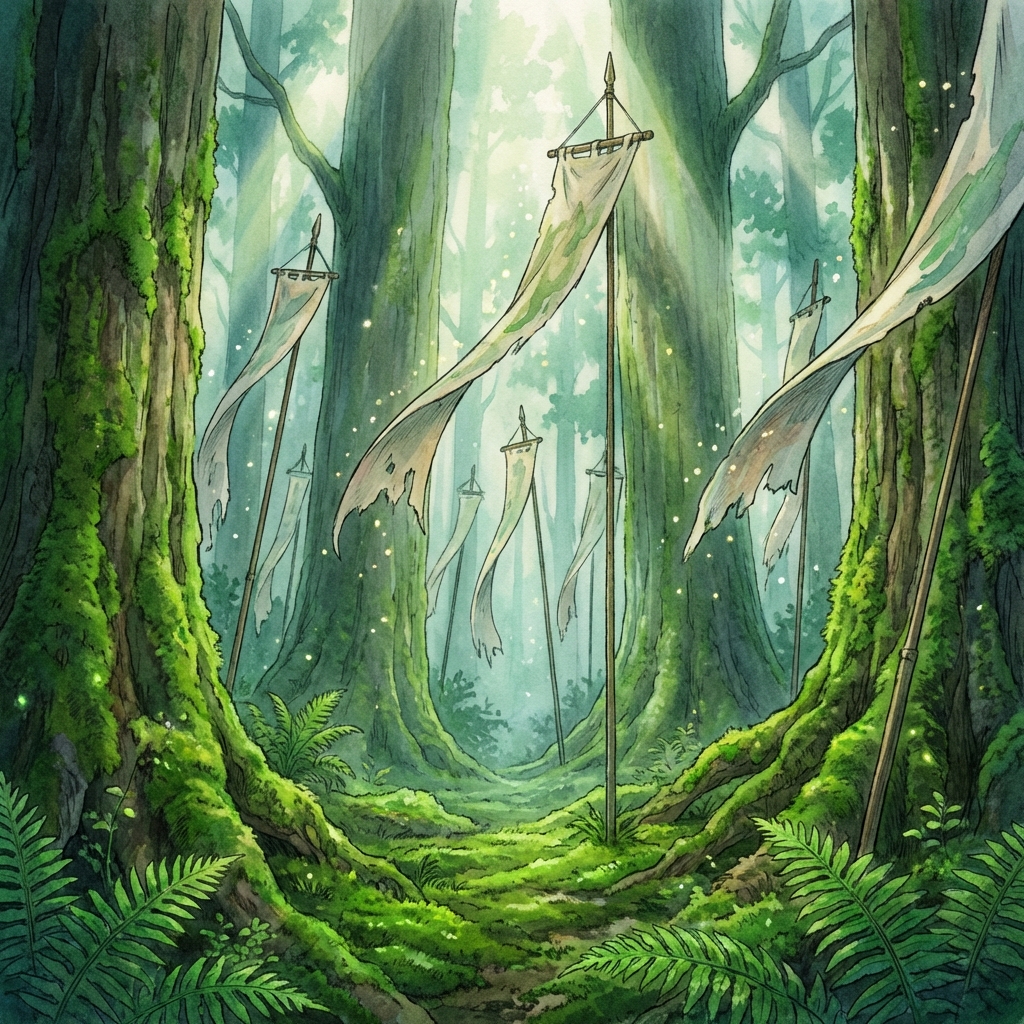
On Tsushima Island, Nagasaki Prefecture, an ancient hub for exchange with the continent, stands Kaijin jinja, revered as the Ichinomiya (chief shrine) of Tsushima Province. Wrapped in deep primeval forest and imbued with a serene atmosphere, this jinja holds many stories, from legends of mythical ages to contemporary international incidents.
Basic Information
Name: Kaijin jinja
Location: 247 Kisaka, Mine-machi, Tsushima City, Nagasaki Prefecture
Kami Enshrined: Toyotama-hime no Mikoto
Shrine Rank: Ichinomiya of Tsushima Province, Former Kokuhei Chusha (National Shrine, Second Rank)
Empress Jingu and the Legend of the “Eight-Streamer Flags”
Kaijin jinja boasts a very ancient history, said to have begun when Empress Jingu, returning from her conquest of the Three Kingdoms of Korea, deposited “Yanagare no Hata” (Eight-Streamer Flags) at this spot on Tsushima. It was once known as “Hachiman Hongu” and served as a sacred site for Hachiman worship on Tsushima.
Mount Kisaka (also known as Mount Izu), stretching behind the jinja, has long been a kinsokuchi (off-limits area) where felling trees was forbidden, revered as a “mountain of the kami.” Today, it remains a magnificent primeval forest, designated as a National Natural Monument. It is believed that the spiritual power of the kami of the sea still resides deep within this forest.
Mystery: The “Bronze Standing Buddha” and its Strange Fate
Essential to discussing Kaijin jinja is the “Tsushima Buddha Statue Theft Incident” that occurred in 2012.
At that time, a national Important Cultural Property, the “Bronze Standing Buddha,” housed in the jinja’s treasure hall, was stolen by a South Korean theft ring and taken across the sea to South Korea.
This incident escalated into an international issue, but in 2015, the Buddha statue was miraculously returned to Japan. While Buddha statues stolen from other temples at the same time are still subject to ongoing disputes over their return, the reason Kaijin jinja’s statue alone was returned was a rather ironic one: “no temple in South Korea came forward to claim ownership.”
After several years of “absence,” the Buddha statue, now back on Tsushima, is protected under strict management, and its unusual journey has become a widely told story among the islanders.
Pilgrimage Information: Anime “Angolmois: Record of Mongol Invasion” and “Ghost of Tsushima”
In works set on Tsushima, the scenery around Kaijin jinja and its historical background play significant roles.
Anime “Angolmois: Record of Mongol Invasion”
This work, depicting the Mongol Invasions (Bunei War) of the Kamakura period, vividly portrays Tsushima’s harsh nature and ancient beliefs. The area around Mine-machi, where Kaijin jinja is located, was also a historical battleground where fierce clashes with the Mongol army took place, making it a pilgrimage site for fans of the work who wish to experience the ancient defense lines and the atmosphere of the old shrine.
Game “Ghost of Tsushima”
In this globally blockbuster game, Tsushima’s jinja also appear as important spots. While Kaijin jinja itself is not explicitly stated as a direct model, the atmosphere of jinja like “Kumo-hi jinja” in the game, surrounded by cliffs and forests, evokes the majestic presence of Kaijin jinja.
Visiting Tip: Kisaka “Wild Bird Forest”
The area around the jinja is maintained as the “Kisaka Wild Bird Forest,” where visitors can experience Tsushima’s unique nature while walking along trails. As you ascend the long stone steps leading to the main hall, the chirping of birds from the surrounding primeval forest reminds you that this is not merely a tourist spot, but a living “sacred precinct” that continues to thrive.
On this border island, Kaijin jinja has long watched over the kami of the sea and the turbulent waves of history. Within its tranquil grounds, ancient Japanese memories that we must not forget continue to breathe.
Related Links / References