 By ando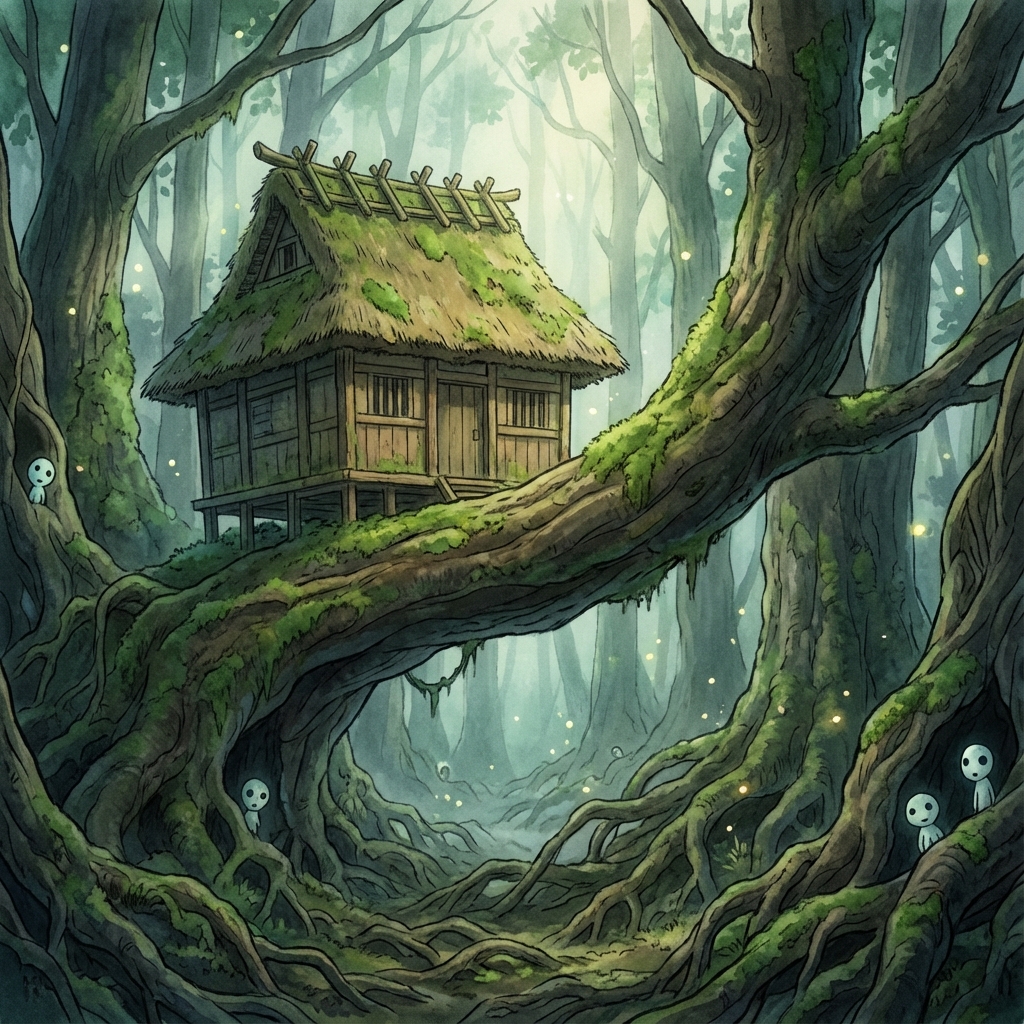
In Chofu City, Tokyo, after passing through the bustling shopping street in front of the station, a lush, sacred grove suddenly appears. That is Fudatenjinja. This is not just a shrine dedicated to the kami of scholarship. In fact, it is a sacred site for the national manga series GeGeGe no Kitaro and an ancient shrine filled with mystery and legend, deeply connected to the origins of the place name “Chofu.”
Basic Information
Location: Chofugaoka 1-8-1, Chofu City, Tokyo
Enshrined Kami: Sukunahikona-no-mikoto, Sugawara Michizane-ko
Founding: Believed to have been founded approximately 1940 years ago (during the reign of Emperor Suinin) and is an Engishiki-listed shrine.
1. Does Kitaro live in the forbidden forest? The Mystery of Kitaro’s House
When talking about Fudatenjinja, one cannot overlook its deep connection with manga artist Shigeru Mizuki. Mr. Mizuki spent over 50 years in Chofu, making it his second home. In his works, the mixed forest behind Fudatenjinja is depicted as “where Kitaro lives.”
This forest, which spreads behind the main hall, has long been considered a sacred area (kinsokuchi), where entry by the general public is forbidden. As you gaze at the dense trees, a mysterious silence settles, making you wonder, “Could Kitaro’s house really be in there…?” Even the anime production team visits to pay their respects before broadcasts, truly making it an “authentic sacred site.”
2. A legend of cloth, which gave birth to the name “Chofu”
The character for “cloth” (布) in the shrine’s name comes from a grand legend.
Long, long ago, a man named Hirofuku Choja, who lived in this area, received a divine message: “Bleach cloth in the Tama River water and present it to the Imperial Court.” When he presented the white cloth as instructed, the Emperor was greatly pleased and named the cloth “Tetsukuri” (調布).
This is said to be the origin of the current place name “Chofu,” and as the art of weaving this cloth spread, the shrine also came to be called “Fuda” (布多). It is an episode rich in historical romance, connecting ancient industry and faith.
3. A shiny nose! The “Nade-ushi” (Stroking Ox) that grants wisdom, and the oldest Komainu
Upon entering the grounds, you’ll find the “Goshinyu” (Sacred Ox), also known as “Nade-ushi” (Stroking Ox), which is a messenger of Tenjin-sama. It is said that stroking the ox on the same part of its body where you have an ailment will cure it, and stroking its head will grant wisdom. The ox at Fudatenjinja, in particular, has a gleaming nose. This is clear evidence that many worshippers have stroked it with their prayers.
Also, pay attention to the komainu (guardian dogs) in front of the main hall. Erected in Kansei 8 (1796), they are considered the oldest stone-carved komainu in Chofu City. Having watched over the transformations of this town for centuries, their presence is truly awe-inspiring.
4. The “Tenjin Market” on the 25th of every month, and its untold stories
Fudatenjinja has hosted the “Tenjin Market” on the 25th of every month since the Edo period. It once flourished as the general guardian shrine for the five Fuda post towns along the Koshu Kaido road, bustling with many people.
In fact, there’s an untold story that the “fabric” sold at this market became so popular that people from all over Edo would constantly come to purchase it. Today, antique markets and kagura (sacred Shinto music and dance) performances are still held, conveying the vibrancy of those times.
—
Nestled amidst the urban hustle, yet stepping inside, you can feel a mystical atmosphere where yokai (Japanese spirits or monsters) might be lurking at Fudatenjinja. Beyond prayers for academic success, why not take a leisurely stroll through the shrine grounds, immersing yourself in ancient legends and the lingering spirit of the Mizuki world?
Related Links and References
[1] Fudatenjinja Junior Priest Koji Nozawa | Machinokoe (Interview about the 2000-year history of the shrine)
[2] Fudatenjinja
[3] A stroll from Kitaro’s Fudatenjinja to Chofu Station (Chofu City, Tokyo) | YURUTTO, Komainu.
[4] Fudatenjinja Monthly Festival | YAJIRO no Shin Goshuin-cho (New Goshuin Book) at Twilight
[5] Fudatenjinja – Tokyo Jinja-cho (Tokyo Shrine Association)
[6] Fudatenjinja
[7] Details of Fudatenjinja – Koshu Kaido Travelogue
[8] Fudatenjinja: Goshuin, Omamori, Festivals, Blessings, Access, etc. | Soreike Sanpai Goshuin Man
[9] Tokyo Chofu Power Spot Fudatenjinja, home to a forest where yokai live | Column | Culture & Life | FUDGE.jp