 By ando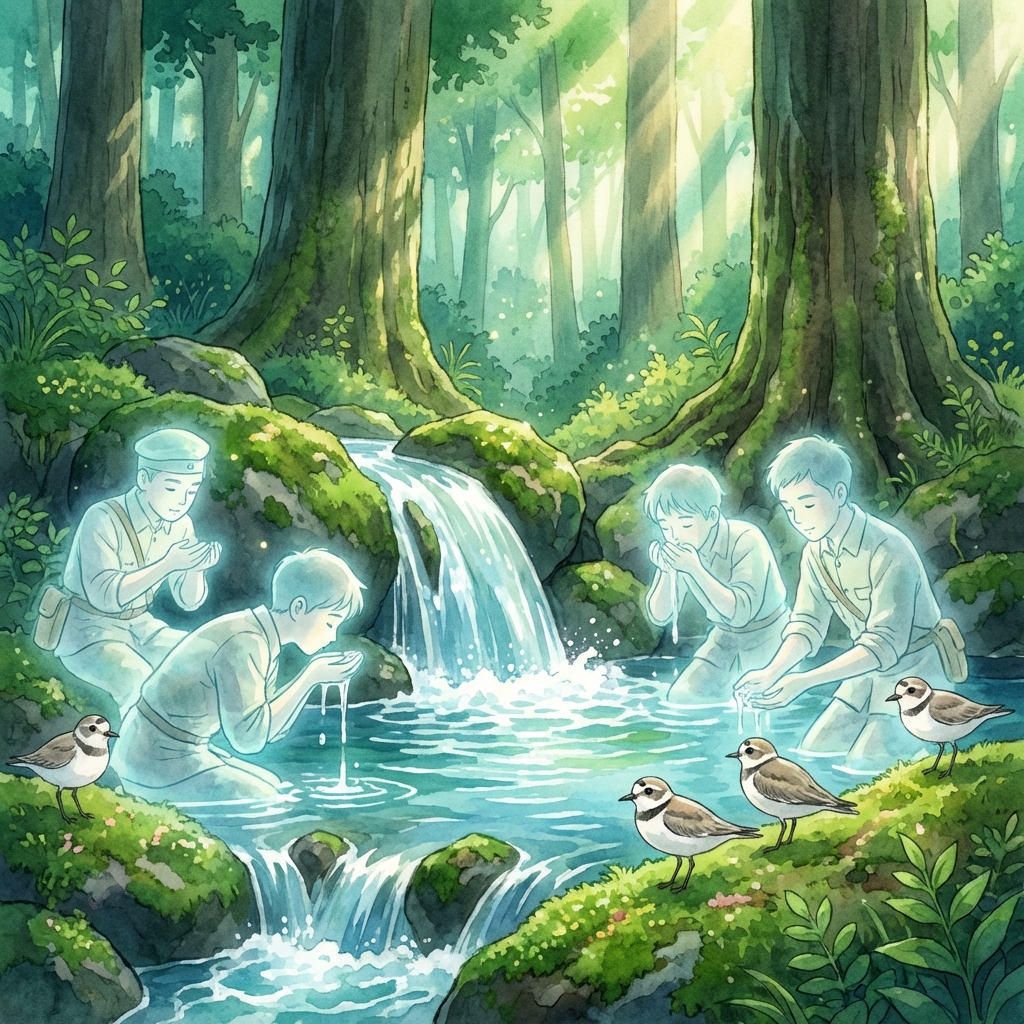
Basic Information
Name: Mieken Gokoku jinja (Mie Prefecture Gokoku jinja)
Location: 112 Hiromachi, Tsu City, Mie Prefecture
Main kami enshrined: Over 60,300 heroic spirits of war dead from Mie Prefecture, spanning the Boshin War to World War II.
Access: Approximately 5 minutes walk from Tsu Station (JR and Kintetsu lines) West Exit.
Official Website: https://www.miegokoku.jp/
—
A Turning Point in History: The “Decision” of the Tsu Domain and the Shrine’s Origins
Unraveling the history of Mieken Gokoku jinja takes us back to the turbulent Bakumatsu period. Its origins trace back to 1869 (Meiji 2), when Todo Takayuki, the lord of the Tsu domain, established the “Tsuken Shokonsha” to enshrine the spirits of domain samurai who died in the Boshin War.
There is a historical episode handed down concerning this time. During the Boshin War, the Tsu domain initially sided with the Tokugawa Shogunate forces, but switched allegiance to the Imperial Court (New Government forces) during the Battle of Toba-Fushimi. This decision is said to have significantly influenced the course of the war. The heroic spirits enshrined at this jinja are precisely those who lived through the tumultuous era of Japan’s modernization, and this jinja has watched over the modern history of Mie Prefecture itself.
The Spring of Prayer: A “Compassionate Episode” that Quenches Thirst
Within the jinja grounds, there is a place called “The Spring of Prayer.” It holds the wish that the many heroic spirits who died without water on the battlefield might at least quench their thirst with pure water within this sacred area.
This spot has a heartwarming, yet poignant background unique to a Gokoku jinja: visitors offer water from this spring as a way to commune with the heroic spirits. It is not merely a tourist attraction, but a place where one can truly feel the profound prayers of people still alive today.
A Pioneer of “Kirigoe Goshuin” that Reached the Realm of Art
In recent years, among those who enjoy collecting goshuin (red seal stamps), Mieken Gokoku jinja is counted as one of the “sacred sites.” The reason lies in its highly elaborate and beautiful “kirigoe goshuin” (cut-paper goshuin), which are rare nationwide.
In fact, this jinja adopted kirigoe goshuin quite early on, and their beauty, with designs changing seasonally, is truly a work of art. Visitors come from all over Japan specifically for these goshuin, which delicately feature Mie Prefecture’s prefectural bird, the “Kentish plover” (shirochidori), and seasonal flowers.
Furthermore, on the first day of each month, limited edition goshuin are also granted in conjunction with the “Tsukinami-sai” (monthly festival), which is why repeat visitors are endless.
Mystery within the Grounds: The “Bell of Peace” Resounding in Silence
Despite being located in the heart of Tsu City, the prefectural capital, the grounds of Gokoku jinja are enveloped in astonishing silence the moment you step inside.
What’s noteworthy here is the sound of the “Bell of Peace” that resonates within the grounds. This bell is rung not only to console the war dead but also to pray for everlasting world peace. Its tone, which echoes at specific times or during events, is said to possess a mysterious power to drown out surrounding noise and purify the hearts of worshippers. Many locals say, “When I hear the sound of this bell, my mind feels strangely at peace,” and it is known as a hidden power spot.
Visiting Highlight: The “Shortest Path to Tranquility” from Tsu Station
Mieken Gokoku jinja is ideally located, just a 5-minute walk from Tsu Station West Exit. While it’s a place you can stop by between business trips or during travel, its vast grounds and lush greenery make it an urban oasis.
Especially during spring cherry blossom season and autumn foliage season, the Japanese seasons, which the heroic spirits surely loved, are beautifully adorned. Here, you can feel the weight of history, experience contemporary art (goshuin), and reaffirm the preciousness of peace. The ability to have such a profound experience is the charm of Mieken Gokoku jinja.
Related Links / References
No sources available.