 By ando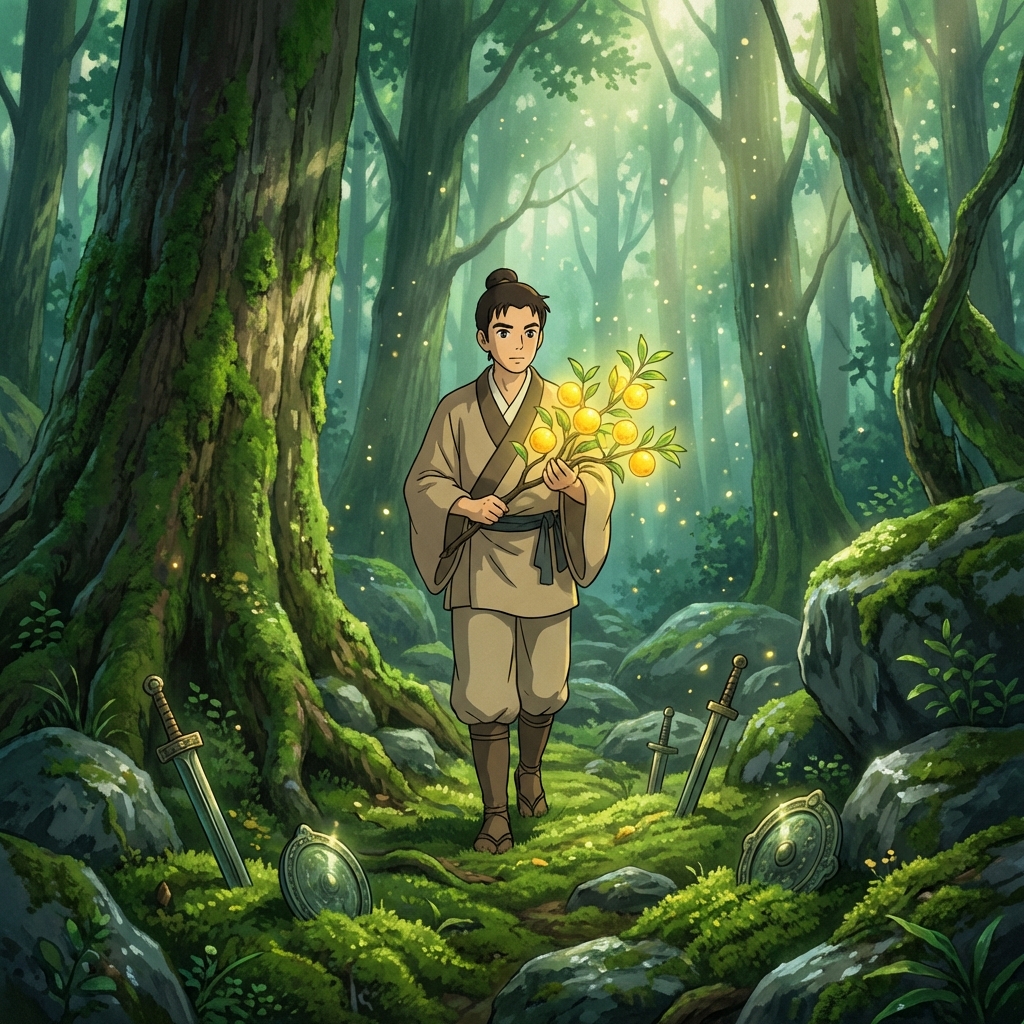
Basic Information
Name: Anashinimasu Hyozu Jinja (anashi ni imasu hyozu jinja)
Location: Anashi 1065, Sakurai City, Nara Prefecture
Enshrined Kami:
Central Sanctuary: Hyozu-no-kami (hyozu no kami)
Left Sanctuary: Daihyozu-no-kami (daihyozu no kami)
Right Sanctuary: Wakamitama-no-kami (wakamitama no kami)
Founding: Traditionally 60th year of Emperor Sujin’s reign (37 BCE)
In Anashi, a village nestled north of Mount Miwa in Sakurai City, Nara Prefecture, Anashinimasu Hyozu Jinja quietly stands along the Yamanobe-no-Michi, said to be Japan’s oldest road. This ancient jinja distinguishes itself from bustling tourist spots with its tranquil and mystical atmosphere. However, delving into its history reveals surprising episodes connected to Japan’s national sport and continental mythology.
1. Is the true identity of “Hyozu-no-kami” the Chinese War God Chiyou!?
The biggest mystery of this jinja is the word “Hyozu” in its name. Jinja bearing the name “Hyozu” are rare in Japan, and their roots are said to trace back to ancient China.
The Chinese historical text “Records of the Grand Historian” (Shiji) mentions “Bingzhu” (the Chinese reading of Hyozu) as one of the Eight Deities of Heaven and Earth, referring to the legendary god of war, Chiyou, who is believed to have invented weapons.
Why is a continental war kami enshrined in the land of Yamato? One theory suggests it might be a remnant of groups possessing advanced metalworking techniques (weapon manufacturing) who migrated from the continent in ancient times, settled here, and enshrined their own guardian kami.
2. A Sacred Place for the National Sport! The Legend of the “Birthplace of Sumo”
Beside the jinja’s approach path stands the auxiliary shrine, Sumo Jinja. This is traditionally believed to be the site of “Japan’s first sumo match,” as recorded in the Nihon Shoki (Chronicles of Japan).
Before Emperor Suinin, Nomi no Sukune, a warrior from Izumo, and Taima no Kehaya, a ruffian from Yamato, engaged in a life-or-death strength contest. Nomi no Sukune emerged victorious. From this legend, the site is considered the birthplace of sumo, and it remains a sacred place visited by professional sumo wrestlers and officials today. Within the precincts, there is a monument inscribed by former Yokozuna Futabayama and stone statues of sumo wrestlers, exuding a unique sense of power.
3. Also the “Birthplace of Japanese Oranges”?
While this jinja strongly evokes images of valor and warfare, it also has a lesser-known aspect as a “kami of sweets and confectionery.”
Tajimamori, upon Emperor Suinin’s command, journeyed to Tokoyo-no-kuni (the land of eternity) in search of the elixir of immortality, “Tokijiku-no-kagu-no-konomi” (fragrant fruit that never fades). After ten years, he returned with the “tachibana” orange, believed to be the ancestral species of today’s mikan oranges.
There is a tradition that this tachibana was first planted here in Anashi, and the jinja’s crest (mon) is the “tachibana mon” (tachibana crest).
4. A Mystical Approach Path like “Totoro’s Forest”
Beyond its historical background, the appeal of this jinja truly lies in its “atmosphere.”
Located at the foot of a mountain, slightly away from the village, its approach path is covered in deep greenery. Visitors describe it as “like getting lost in Totoro’s Forest,” with a fantastic landscape reminiscent of a Ghibli film.
In particular, the moss-covered stone steps and the majestic appearance of the main sanctuary (honden) with its three shrines side-by-side allow one to deeply feel the weight of ancient prayers.
5. Behind the Scenes: Three Jinja Became One?
The current Anashinimasu Hyozu Jinja is a result of the enshrinement of three Shikinai-sha (jinja listed in the Engishiki-jinmyocho) — Anashinimasu Hyozu Jinja, Makimukuniimasu Wakamitama Jinja, and Anashi Daihyozu Jinja — which were originally located elsewhere, and later consolidated to the present site after conflicts like the Onin War.
Therefore, three separate sanctuaries stand side-by-side within the main hall (honden), each enshrining a different kami. The sacred object (goshintai) of Hyozu-no-kami, enshrined in the central sanctuary, is said to be a mirror. Although a kami of war, Hyozu-no-kami is also revered as a kami protecting agriculture and daily life (clothing, food, and shelter).
When walking the Yamanobe-no-Michi, please make sure to visit this Anashi forest. There, a special time flows, where the power of sumo and the tranquility of ancient mysteries coexist.
Related Links and References
[1] https://himiko.or.jp/midokr9.html
[2] https://www.city.katsuragi.nara.jp/soshiki/sumokan/8/2169.html
[3] https://genbu.net/data/yamato/hyousu_title.htm
[4] https://www.narakko.jp/yomiweb/yokai25/
[5] https://nara-wu.repo.nii.ac.jp/record/2001722/files/an00118540v47pp137-153.pdf
[6] https://ameblo.jp/mi-sanpo194/entry-12918860138.html
[7] https://ameblo.jp/keith4862/entry-12386529383.html
[8] https://omouhana.com/2020/10/29/%E7%A9%B4%E5%B8%AB%E5%9D%90%E5%85%B5%E4%B8%BB%E7%A5%9E%E7%A4%BE%EF%BC%9A%E5%85%AB%E9%9B%B2%E3%83%8B%E6%95%A3%E3%83%AB%E8%8A%B1%E3%80%80%E5%87%BA%E9%9B%B2%E5%B1%8B%E6%95%A7%E7%AF%8703/
[9] https://yamato-furusato.hatenadiary.com/entry/anashinimasubyouzu-sakurai