 By ando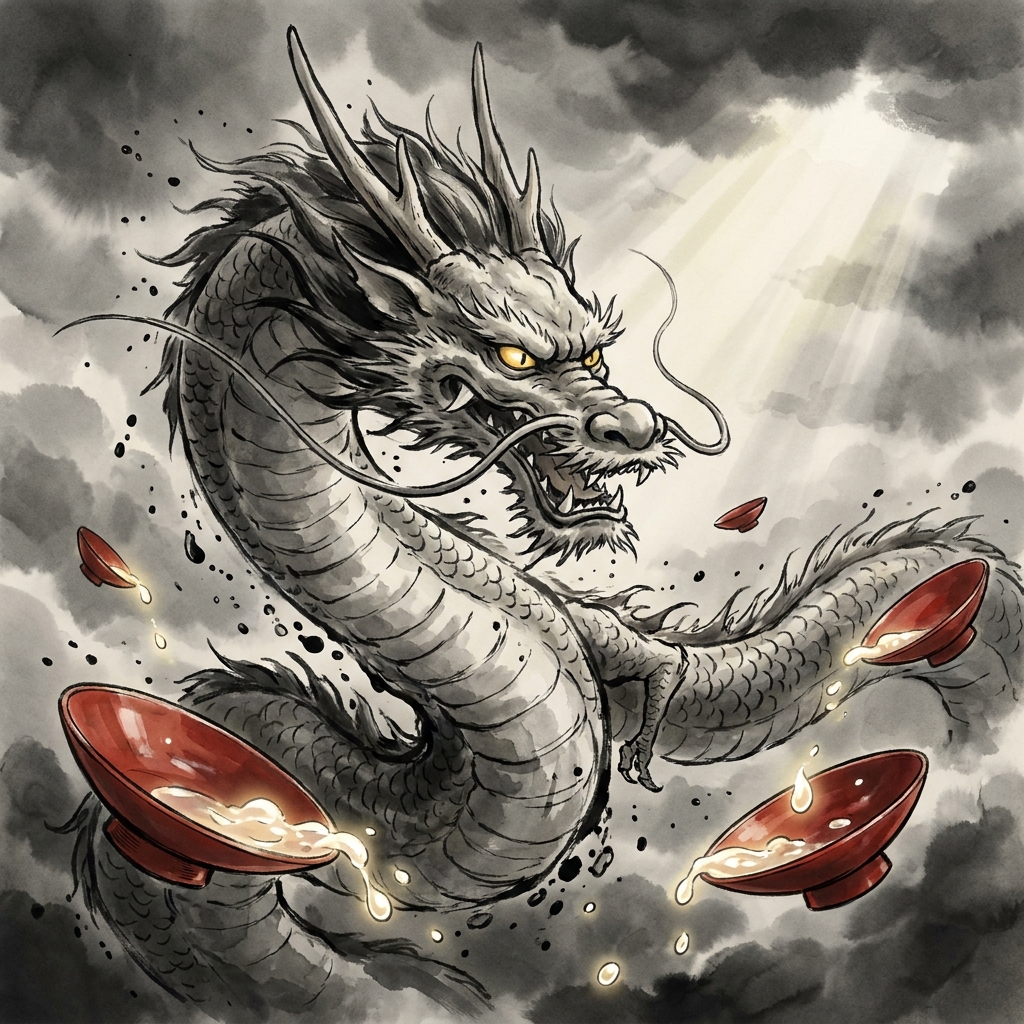
On a street corner in Higashi-Ueno, a little removed from the hustle and bustle of Ueno in Taito Ward, Tokyo, a strikingly large red torii gate stands tall. This is Shimotani Jinja (shitaya jinja), known as the oldest O-Inari-sama (Inari shrine) in Tokyo. With a history spanning over 1200 years, this jinja, which attracts worshippers for the kami (deities) of business prosperity and family safety, is filled with intriguing charm and stories that attract art enthusiasts, rakugo fans, and even anime fans.
Basic Information
Location: 3-29-8 Higashi-Ueno, Taito Ward, Tokyo
Enshrined Kami: Ootoshi no Kami, Yamato Takeru no Mikoto
Founded: Tenpyo 2 (730 AD)
Access: 2-minute walk from Inaricho Station (Tokyo Metro Ginza Line), 6-minute walk from Ueno Station (JR Line)
Yokoyama Taikan’s Dragon Sleeping in the Haiden Ceiling
When visiting Shimotani Jinja, the haiden (worship hall) ceiling painting is an absolute must-see. Here, the ink painting “Unryu-zu” (Cloud Dragon) by Yokoyama Taikan, a master of modern Japanese painting, is displayed.
There is an interesting backstory to this dragon. In Showa 9 (1934), when the shrine buildings were rebuilt after the Great Kanto Earthquake, Taikan, who lived in nearby Ikenohata, painted it at the enthusiastic request of the ujiko (parishioners). Taikan was known for his love of sake, and it is possible he conceived this powerful dragon while enjoying a drink.
The dragon, suddenly appearing from swirling clouds, is brimming with such vitality that it looks as if it might leap from the ceiling at any moment. It has also been designated a tangible cultural property of Taito Ward.
The Birthplace of Edo Comedy! “Birthplace of Yose”
In fact, Shimotani Jinja can be called a sacred place for Japan’s traditional performing art, “rakugo.” A prominent stone monument inscribed with “Yose Hassho no Chi” (Birthplace of Yose) stands within the shrine grounds.
In Kansei 10 (1798), Sanshotei Karaku I (sanshotei karaku) held the first “performance where an admission fee was charged to hear stories (yose)” in Edo, right here on the jinja grounds. It was a momentous spot where rakugo, previously performed in private rooms, took its first step as mass entertainment. Even today, rakugo performers and entertainers visit to pray for improvement in their craft.
As a Sacred Site for the Anime “Sarazanmai”
Shimotani Jinja also appears in several anime works set in Asakusa and Ueno. In particular, in Kunihiko Ikuhara’s anime “Sarazanmai,” it was depicted as a memorable setting in episode 5 and others.
The jinja’s scenery, drawn with the anime’s unique sense of color, has become a classic spot for fans on “seichi junrei” (pilgrimage to sacred sites). Furthermore, the themes of “kappa” (mythical water imps) and “connections,” which are central to the story, overlap with the jinja’s history of connecting local people for centuries, creating a mysterious atmosphere.
The Power of “O-Inari-sama” That Became a Place Name
Shimotani Jinja was once called “Shitaya Inari-sha.” In fact, the nearest station, “Inaricho Station,” and the former place name “Inaricho,” all originate from this Shimotani Jinja. The jinja’s presence in this area was so immense that a single shrine became the name of an entire town.
Moreover, the “Shimotani Jinja Taisai” (Grand Festival), held every May, is known as the earliest summer festival in Edo’s downtown (shitamachi), brimming with such energy that people say, “When Shimotani’s festival comes, summer begins.”
History, art, performing arts, and subculture.
Shimotani Jinja is a place that symbolizes Ueno, a town that has always embraced new cultures while preserving old traditions. When you look up at the haiden and your eyes meet Taikan’s dragon, you too will surely feel the mysterious energy flowing through this place.
Related Links and References