
 By ando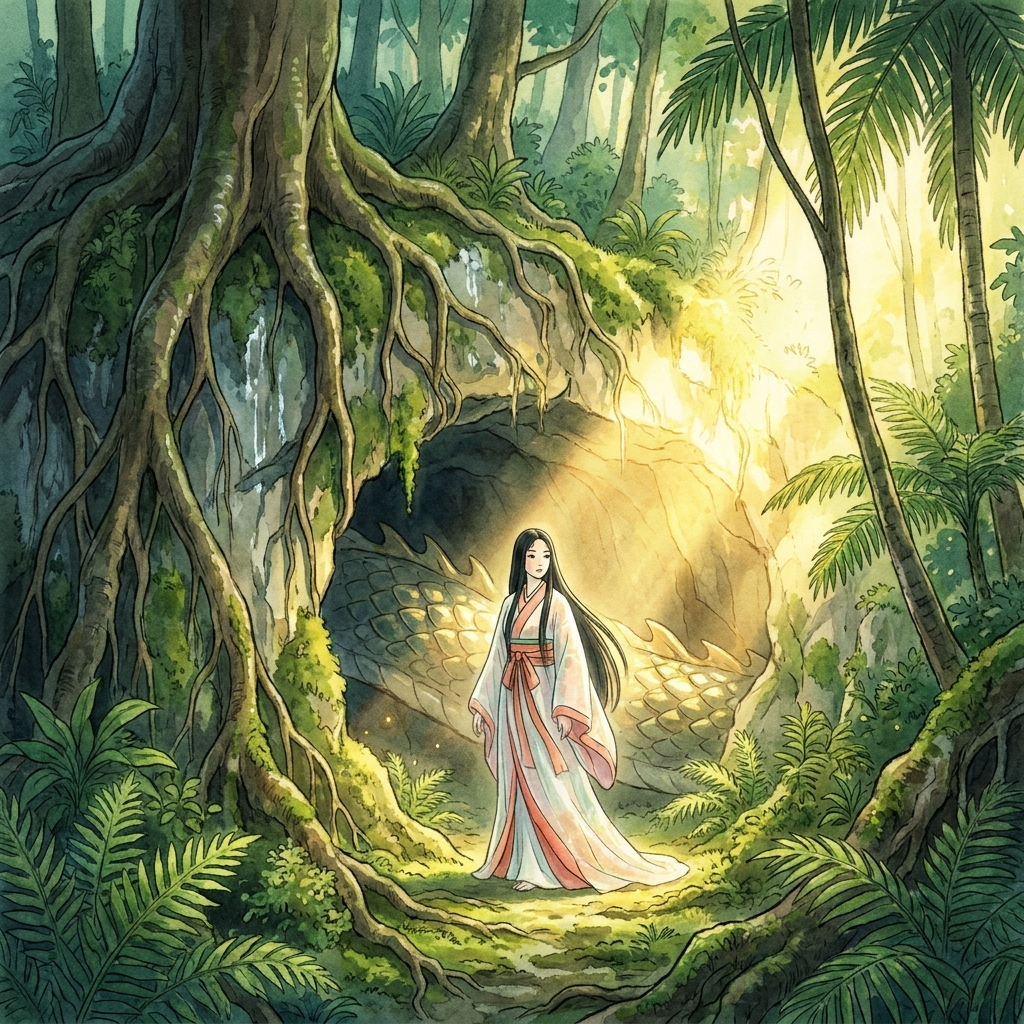
Quietly, yet powerfully, Ameku-gu jinja (Ameku-guu) is enshrined on the slopes of Tomari Kodai in Naha City, Okinawa Prefecture. This jinja, revered by the Ryukyu Kingdom’s royal government as one of the “Ryukyu Hachi-sha” (Eight Shrines of Ryukyu) since that era, envelops visitors in a mysterious tranquility that makes them forget the city’s hustle and bustle, and an atmosphere where ancient myths breathe.
Basic Information about Ameku-gu jinja
Ameku-gu jinja is located in Tomari, Naha City. Its founding is said to date back to the Chenghua era (1465-1487), and it is ranked fifth among the “Ryukyu Hachi-sha,” established for the protection of the Ryukyu Kingdom.
It enshrines the Kumano Sanjin (Three Kami of Kumano): Izanami-no-Mikoto, Hayatamao-no-Mikoto, and Kotosakao-no-Mikoto. It also strongly embodies aspects of “Utaki” (sacred groves), a unique Okinawan belief, and is affectionately known locally as “Ameku Gongen.”
Legend: The “Mysterious Beauty” Emitting Golden Light and the Cave Mystery
A highly fantastical legend surrounds the founding of Ameku-gu jinja.
Long ago, a man named Mekaru from this area encountered a beautiful woman in the Ameku forest. She appeared out of nowhere and vanished into a cave within the forest. Curious, Mekaru peered into the cave, and it is said to have been filled with a golden light.
When the high priest Sonkei heard this story and offered prayers, a divine oracle descended from the cave: “I am Kumano Gongen. Build a shrine on this land.” This is considered the beginning of Ameku-gu jinja. The cave within the jinja grounds is still carefully preserved as a sacred site where kami descended, and its mystical presence overwhelms visitors.
Mystery: The Unique “Three-Tiered” Architecture Built on a Cliff
Visitors to Ameku-gu jinja are often surprised by its unique architectural style. Built on a steep slope, it appears to be a single-story building from above, but it is actually a three-tiered structure extending underground.
Upper Level: Features the haiden (hall of worship), where general prayers are offered.
Middle and Lower Levels: Stairs descend down the cliffside to hokora (small shrines) dedicated to Benzaiten and Ryujin (Dragon Kami), as well as the legendary cave (Utaki) itself.
This unique style of worship, descending “underground,” evokes a feeling of stepping into another realm. Especially the lowest level, dedicated to Ryujin, has a cool, fresh atmosphere, making it a power spot where you can truly feel the enduring energy of Okinawa’s nature worship.
Behind the Scenes: A “Shrine of Rebirth” That Survived War
Ameku-gu jinja suffered the tragedy of having all its shrine buildings destroyed by fire during the Battle of Okinawa. After the war, it was temporarily placed under US military control, and there were times when even visiting for worship was difficult. However, it was rebuilt through the strong wishes and dedication of local residents.
While the current shrine buildings are made of concrete, the bedrock and caves forming its foundation have remained unchanged for hundreds, even thousands of years. Its enduring presence, protecting the memory of the land even as its form changes, can be said to symbolize the indomitable spirit of the Okinawan people.
Visiting Tips: Guidance from Ryujin and Goshuin
When you visit Ameku-gu jinja, be sure to explore not just the haiden, but also the “Gongendo” (Avatar Hall) and the hokora dedicated to “Ryujin” on the lower levels. Ryujin-sama, in particular, as the kami of water and bountiful harvests, has recently seen an increase in worshipers seeking financial luck and good fortune.
Additionally, collecting “Goshuin” (stamped calligraphy) as you visit the Ryukyu Hachi-sha is a popular activity. Ameku-gu jinja’s Goshuin often features powerful calligraphy along with Okinawan red tile or dragon motifs, making it a wonderful souvenir of your trip.
Ameku-gu jinja, where kami dwell in a cave beneath a cliff, despite being in the heart of Naha City. It is a unique sacred site in Okinawa, where the mystery of the legendary vanishing beauty and the pure energy of Ryujin intertwine.
Related Links / References
No sources available.