 By ando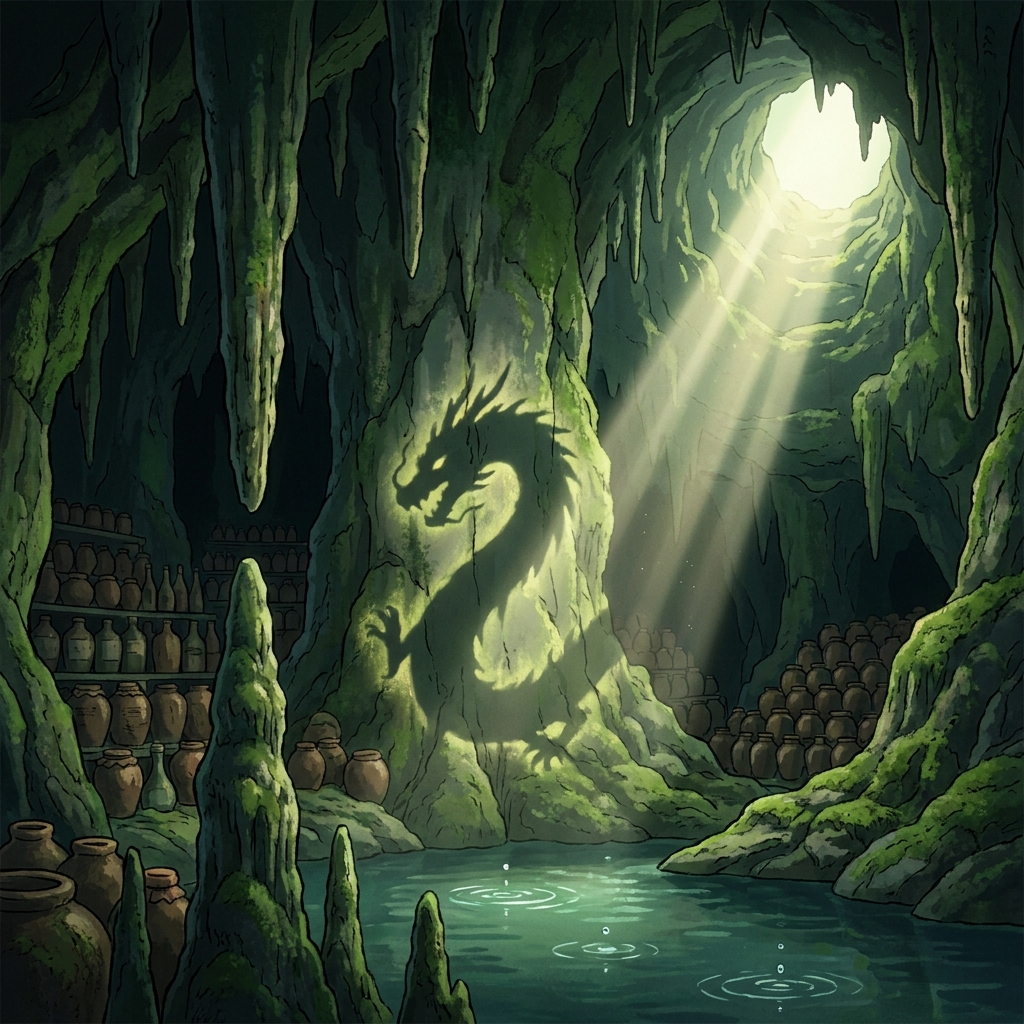
Basic Information
This jinja is located at Kin 222, Kin Town, Kunigami District, Okinawa Prefecture, within the grounds of Kin Kannon-ji Temple. The kami enshrined here are Izanami-no-Mikoto, Hayatamao-no-Mikoto, and Kotosa-kao-no-Mikoto, who are collectively known as Kumano Gongen. Kin-guu holds the status of being one of the Ryukyu Hachi-sha, the Eight Shrines of Ryukyu.
The Mystery of the Ryukyu Hachi-sha: The Only One Outside Naha
In Okinawa, there are eight jinja known as the “Ryukyu Hachi-sha,” which received special treatment from the royal government during the Ryukyu Kingdom era. Most of these shrines are concentrated around Naha City, but the only one located far away in Kin Town in the northern part of the main island is Kin-guu. Why is just one located in a distant place? It is said that the reason is because this area has long been a base for “Fudaraku Tokai,” a life-threatening ascetic practice where practitioners would set out to sea in a small boat, aiming for Sukhavati (the Pure Land).
No Shrine Building? A Unique Form Where the Limestone Cave Itself is a Sacred Site
The most distinctive feature of Kin-guu is that it does not have a grand shrine building (shaden) above ground. A small shrine is quietly enshrined within “Nisshu-do Cave,” a massive limestone cave approximately 270 meters long and 30 meters underground, located within the grounds of Kin Kannon-ji Temple. As you descend the stairs, the air becomes cool and fresh, and the damp rock surfaces and the sound of dripping water create a sacred atmosphere, cut off from the outside world. It is truly a unique space where Okinawa’s ancient belief that “nature itself is kami” merges with the Kumano faith from mainland Japan.
Legend: The High Priest Who Saved the Village and the “Slaying of the Great Serpent”
A legend remains regarding the founding of Kin-guu, involving a high priest named Nisshu Shonin, who drifted ashore from Wakayama in the 16th century. At that time, there was a terrifying legend that a gigantic great serpent (Uwaan-chi) lived in this limestone cave, snatching and devouring young maidens from the village. It is said that while the villagers trembled in fear, Nisshu Shonin chanted sutras in front of the cave and, with his spiritual power, sealed away the great serpent. Even today, deities are enshrined as “Kin Gongen” within the cave, and in its silence, one can feel a mysterious weight, as if the strange phenomena of the past have been sealed away.
Behind-the-Scenes: Awamori Sleeping in the Sacred Site and the “Path to Shuri”
Kin-guu (Nisshu-do Cave) also has interesting modern-day anecdotes. As the temperature inside the cave remains a constant approximately 18 degrees Celsius throughout the year, it is surprisingly used as an aging cellar for “awamori” (Okinawan distilled liquor). In the depths of the cave, thousands of awamori bottles are lined up, quietly awaiting the time when they will transform into “kusu” (aged awamori). There is something quite romantic about liquor aging in a sacred space, isn’t there? Furthermore, there is an urban legend that has long existed about this cave: “The exit leads all the way to Shuri Castle.” In reality, it is only about 270 meters long, but perhaps due to its immense depth and darkness, people in ancient times believed it to be a mysterious path extending all the way to the distant royal government (Shuri Castle).
Key Points for Visiting
Kin-guu is said to be less a place for wishes to be granted, and more a place to “cut away your own doubts and compose your mind.” The path to the haisho (worship place) at the deepest part of the cave is a bit rugged, but the light from the exit, seen from there, offers a refreshing sensation, as if you have been reborn. The birthplace of Kin Town’s famous “Taco Rice” is also nearby, so after your visit, why not enjoy the exotic atmosphere of the town?