 By ando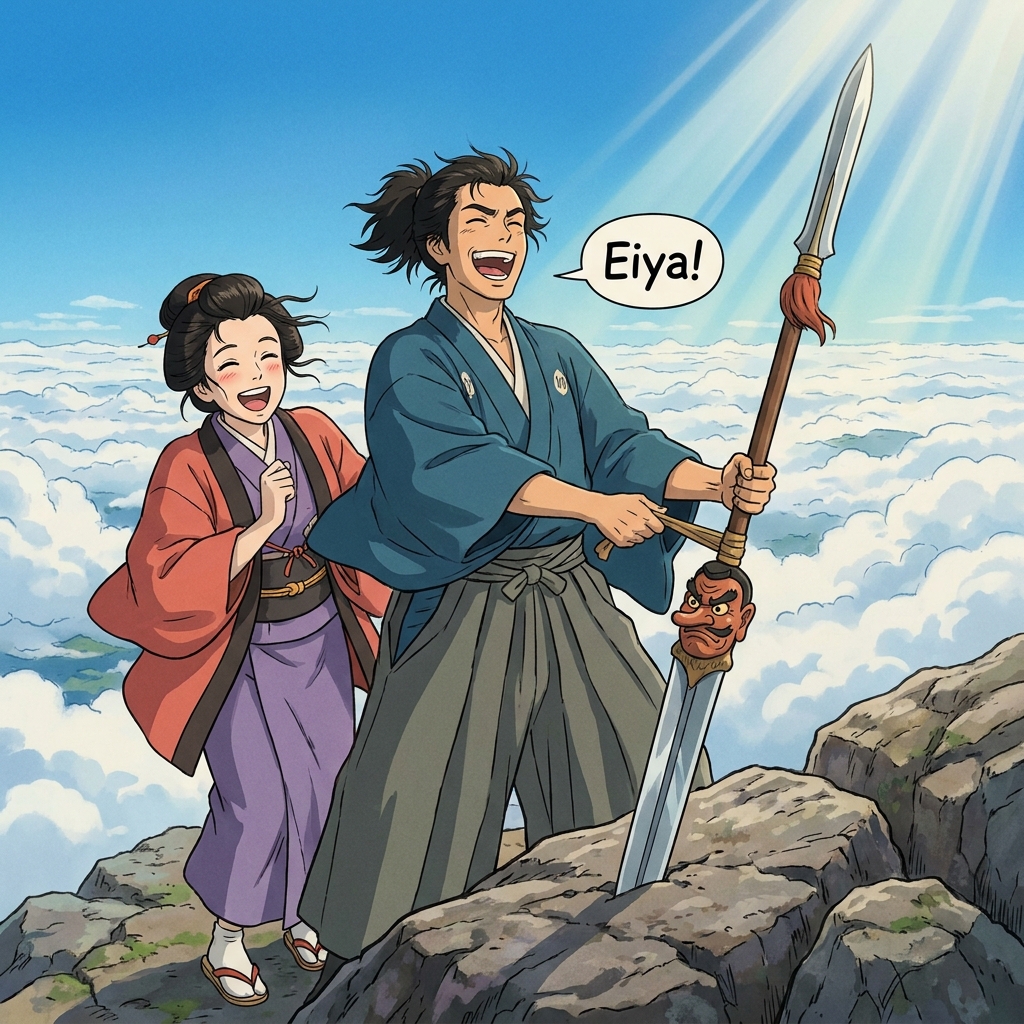
Kirishima Jingu, located in Kirishima City, Kagoshima Prefecture, enshrines Ninigi-no-Mikoto, the grandson of Amaterasu Omikami, as its main kami. It is known as the magnificent power spot where the “Tenson Korin” (Descent of the Heavenly Grandson) described in the Kojiki and Nihon Shoki took place. In 2022, its Honden (main sanctuary), Heiden (offering hall), and Haiden (worship hall) were designated National Treasures. With its gorgeously ornate vermilion-lacquered shrine buildings, it is also called the “Nikko of the West”.
Basic Information about Kirishima Jingu
Location: 2608-5 Kirishimataguchi, Kirishima City, Kagoshima Prefecture
Main Kami: Ninigi-no-Mikoto
Main Highlights: The National Treasure-designated shrine buildings, the approximately 800-year-old sacred tree (goshimboku), and Sakurajima volcano viewed from the observation deck.
History: It is said to have been founded in the 6th century, originally located near the crater of Mt. Takachiho. After repeated destruction by volcanic eruptions and subsequent reconstructions, the current shrine buildings were donated by Shimazu Yoshitaka, the lord of the Satsuma Domain, approximately 300 years ago.
Sakamoto Ryoma’s “Prank”? The Story of Japan’s First Honeymoon
Kirishima Jingu is also famous as the place visited by Sakamoto Ryoma, a samurai activist from the late Edo period, and his wife Oryo on what is considered “Japan’s first honeymoon”. Ryoma, injured in the Teradaya Incident, visited Kirishima Onsen at the recommendation of Saigo Takamori and others. During their stay, the couple ascended Mt. Takachiho.
Here’s a famous anecdote. When Ryoma saw the legendary “Ama no Sakahoko” (Heavenly Spear of Reverse Position) thrust into the mountaintop, he wrote to his elder sister Otome: “The face carved on the sakahoko looked like a tengu, and we both laughed heartily”. Even more surprisingly, there’s an episode that Ryoma reportedly pulled out this sacred sakahoko with a “Heave-ho!” (Note: This is strictly forbidden today, of course). It’s a charming legend that conveys Ryoma’s free-spirited personality and the couple’s deep affection.
Mysteries Beyond Scientific Explanation? The “Seven Wonders of Kirishima”
Around Kirishima Jingu, there are “Seven Wonders” that have been passed down since ancient times. We invite you to look for these mysteries during your visit.
1. Kame-ishi (Turtle Rock): A natural stone on the old approach path that perfectly resembles a turtle. Legend says it is a turtle that was turned into stone for breaking a promise with a kami.
2. Kaze-ana (Wind Cave): A place where a faint breeze was said to constantly blow out from a rock cave.
3. Mitarashigawa (Purification Stream): A mysterious river that dries up in winter but suddenly gushes forth with a large amount of water around May, at which time fish also appear.
4. Yonaka no Kagura (Midnight Kagura): When the jinja was moved to its current location, it is said that the sounds of kagura (sacred Shinto music and dance) echoed from deep within the empty shrine buildings late at night.
5. Makazu no Tane (Unsown Seeds): A phenomenon where rice plants naturally grow in the mountains without anyone having sown seeds.
The “Small Shinto Priest” Residing in the Sacred Tree
Within the shrine grounds, the huge 800-year-old cedar tree (goshimboku) holds a “mystery”. If you look at a certain part of a branch on the right side facing the Honden from a specific angle, it appears exactly like a “Shinto priest (kannushi) wearing an eboshi (traditional headwear) and praying with clasped hands”. This is not artificially carved but a natural formation. It is said that finding it will bring greater divine blessings (gorieki).
Anime Pilgrimage: The Connection to “Suzume”
In Makoto Shinkai’s anime film “Suzume”, a story unfolds where “doors of disaster” are closed, starting from Kyushu. While there are various theories about the direct inspiration locations, fans noted that the key element of the story, the “Kaname-ishi” (Keystone), and the concept of “sealing off disaster” that has continued since mythological times, strongly overlap with Kirishima Jingu’s history of preserving the Tenson Korin narrative and the image of Mt. Takachiho’s “Ama no Sakahoko”.
In particular, the old shrine site (Komiyashi) of Kirishima Jingu is the former location of shrine buildings that were lost to volcanic eruptions, and it still exudes a tranquil and mysterious atmosphere. This atmosphere of “a sacred place like a ruin where people once offered prayers” perfectly matches the film’s worldview. You are sure to experience a wondrous sensation, as if mythology and modern animation intersect.
Kirishima Jingu is not merely a tourist destination, but a place where mythology, history, and the romance of the late Edo period come alive. Beyond being captivated by the vermilion shrine buildings, why not take a stroll while imagining the sights Ryoma saw and pondering the mysteries of the Seven Wonders?